TL;DR
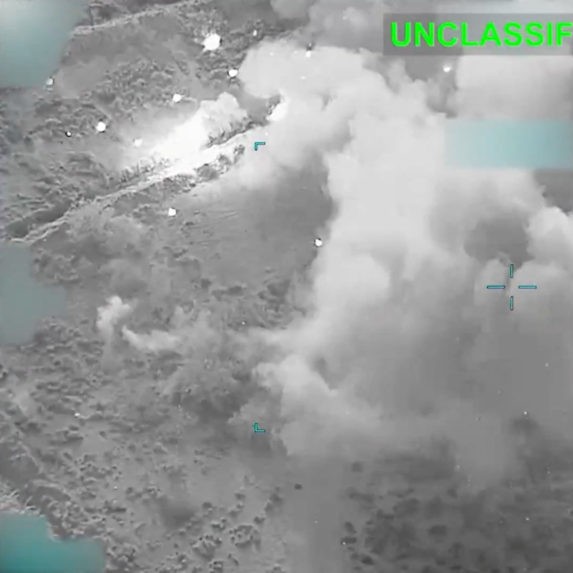
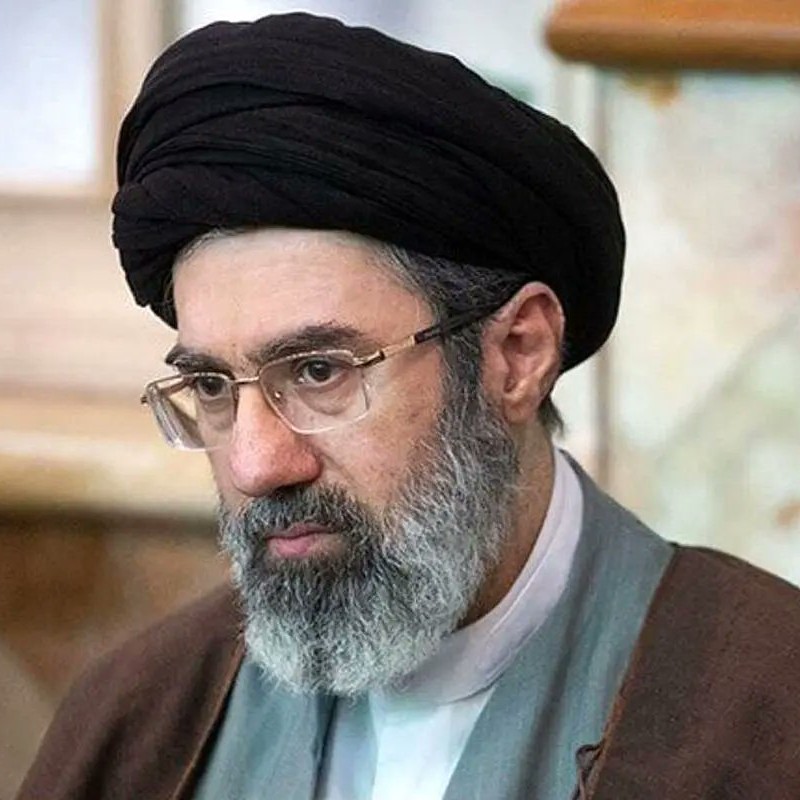
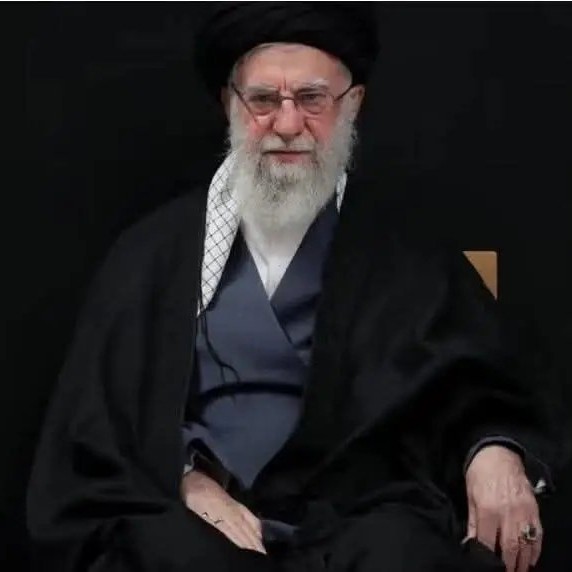
President Donald Trump says Iranian Supreme Leader Ali Khamenei has been killed in joint U.S.-Israeli airstrikes, a development that could reshape Iran’s leadership and sharply escalate the regional conflict.
Why This Matters
If confirmed, the reported death of Ali Khamenei would mark the end of more than three decades of rule by the most powerful figure in Iran’s political system. As supreme leader, he had the final say over foreign policy, the military, and the nuclear program.
A sudden leadership vacuum in Tehran could destabilize an already volatile region. Iran’s response, and the way its political elites manage succession, will shape everything from nuclear negotiations to the behavior of allied militias in Iraq, Lebanon, Syria, and Yemen. Any miscalculation raises the risk of a wider regional war.
For the United States, this is the second major strike on Iran in eight months during ongoing nuclear talks, according to agency reporting carried by U.S. public broadcasters. The latest update suggests a deeper U.S. intervention that could affect global oil markets, strain alliances, and place additional pressure on American forces and diplomats across the Middle East.
Key Facts & Quotes
In a social media post on Saturday, President Trump said Iran’s Supreme Leader Ali Khamenei is dead following what he described as “heavy and pinpoint” joint U.S.-Israeli bombing of Iranian military and government targets. He called Khamenei “one of the most evil people in history.”
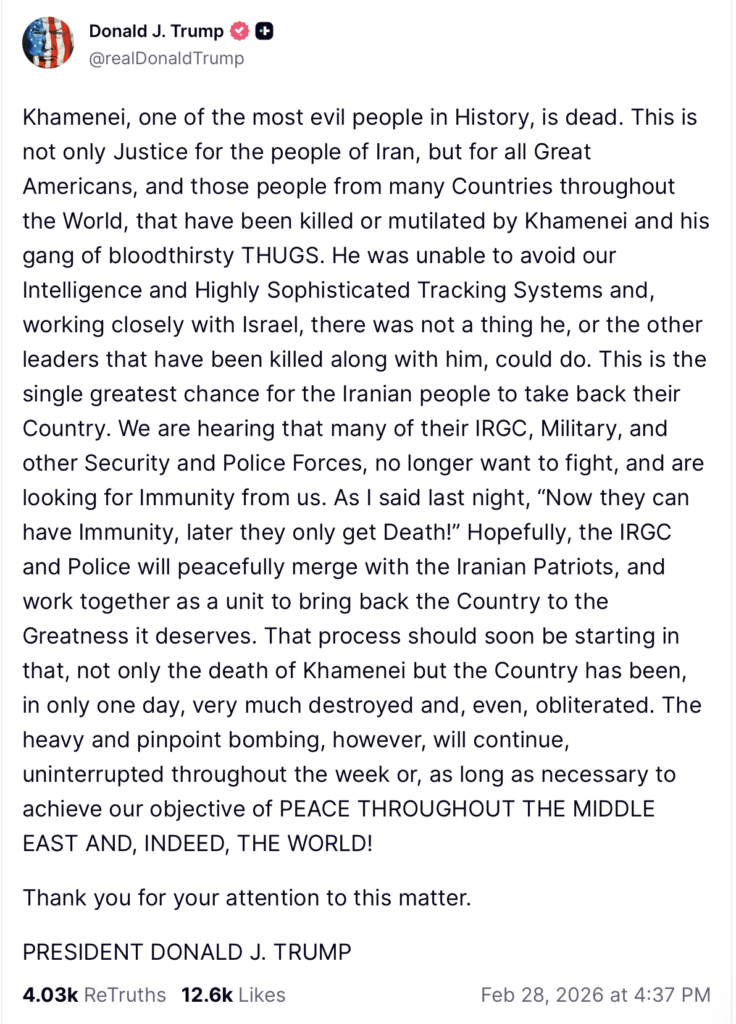
Trump wrote that Khamenei “was unable to avoid our Intelligence and Highly Sophisticated Tracking Systems and, working closely with Israel, there was not a thing he, or the other leaders that have been killed along with him, could do.” He said the bombing campaign would continue “through the week or longer.”
According to the same report, there was no immediate comment from Iranian authorities on Khamenei’s status. The strikes are described as opening a new chapter in U.S. intervention in Iran and represent the second U.S. attack on the country in eight months during nuclear talks.
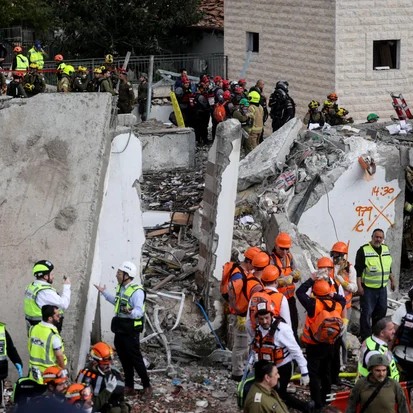
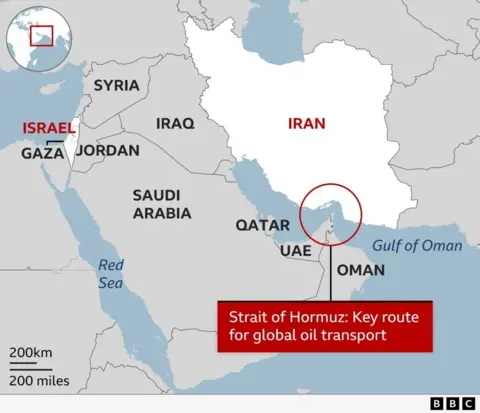
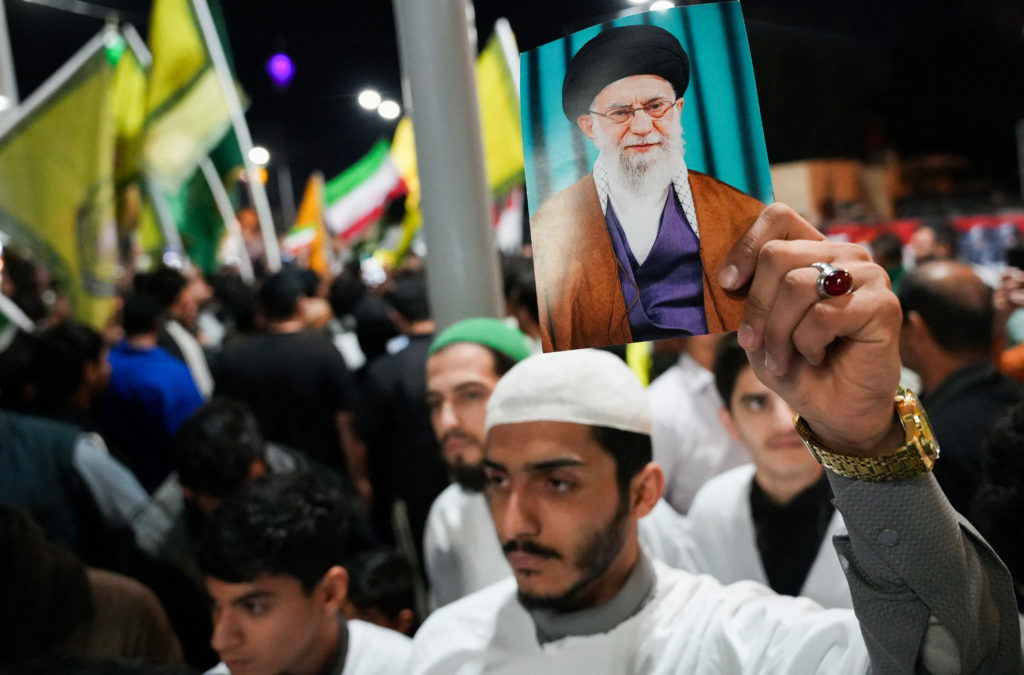
Earlier Saturday, Iran launched missiles and drones toward Israel and U.S. military bases in the region in retaliation for the U.S.-Israeli attacks. Khamenei’s reported killing after decades in power appears likely to trigger a significant leadership challenge, as no clear successor has been publicly identified and the supreme leader traditionally has the last word on all major state decisions.
🇮🇷 🇺🇸 Iran’s army said it targeted on Sunday US bases in Iraq’s Kurdistan region and in the Gulf in response to ‘Israeli’ and US strikes that killed supreme leader Ayatollah Ali Khamenei#Iran #Khamenei #Tehran #Israel #Trump pic.twitter.com/rPGoiGiNfj
— Sayyed Saif (@Sayyed_Saif93) March 1, 2026
What It Means for You
For many Americans, the immediate questions are whether this will draw the United States into a larger, more sustained war and what it means for safety, the economy, and global news in the coming days. Past conflicts involving Iran and the Gulf region have at times pushed up energy prices and affected financial markets.
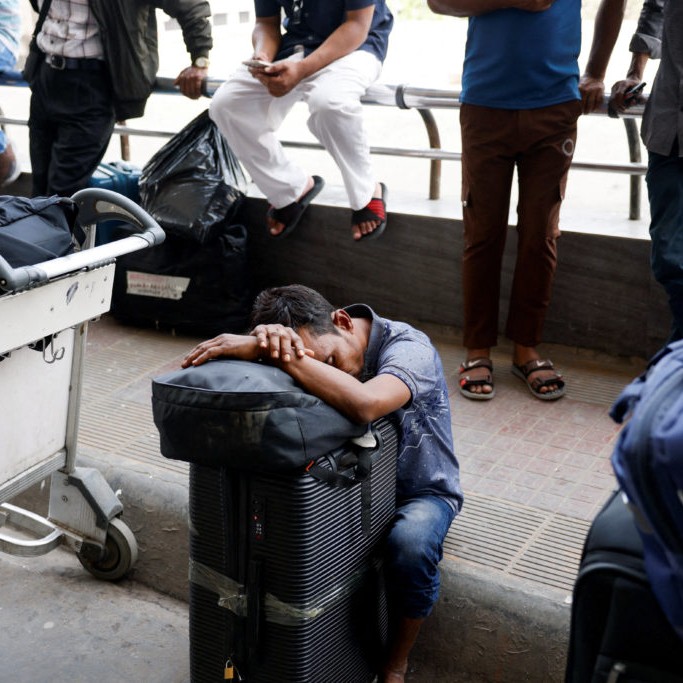
Families with loved ones in the military or in diplomatic posts across the Middle East may face new uncertainty as U.S. forces and embassies adjust their security posture. Travelers and companies with operations in the region will be watching for updated government advisories, potential airspace closures, and new sanctions or export rules.
In the near term, key signals to watch include any formal confirmation from Iranian officials, the scale of further Iranian retaliation, and whether Washington or Tehran indicates space for continued nuclear diplomacy.
How do you think this development could reshape U.S. policy in the Middle East?
Sources: Public statements by U.S. President Donald Trump on social media (Feb. 28, 2026); U.S. public broadcasting report drawing on agency reporting (Feb. 28, 2026).