TL;DR
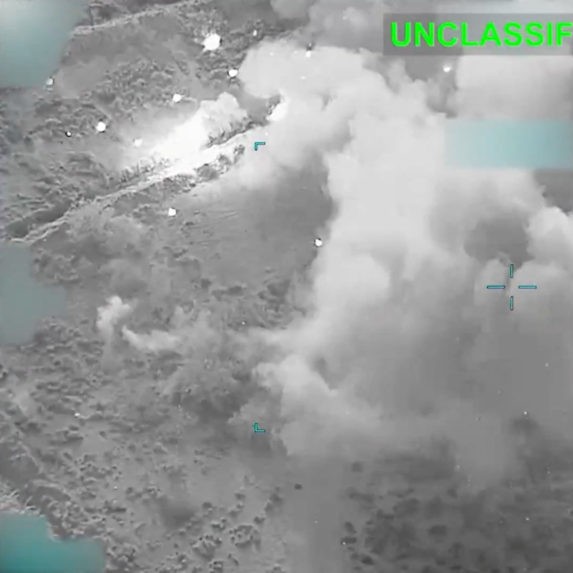
Iranian missile and drone barrages aimed at US forces in the Gulf are also striking US-aligned states such as the United Arab Emirates and Bahrain, damaging airports and other civilian sites and stretching regional air defenses.
Why This Matters
The Gulf is home to critical oil and gas infrastructure and major international shipping lanes. When conflict spills across these waters, it can quickly ripple through global energy prices and supply chains, with knock-on effects for inflation and economic growth far beyond the Middle East.
US military bases in Bahrain and the UAE host thousands of American service members and assets that underpin Washington’s security posture from the Red Sea to the Indian Ocean. Attacks near or around those facilities raise the risk of miscalculation between Iran, the United States, and US partners, any of which could escalate into a broader confrontation.
The reported strikes on airports and urban areas also highlight how modern warfare increasingly endangers civilians and high-value infrastructure. Many Gulf cities were built with tourism, commerce, and aviation in mind, not sustained missile and drone attacks. How governments adapt their defenses, and whether diplomacy can pull the region back from the brink, will help shape the next phase of this conflict.
Key Facts & Quotes
According to a statement from the United Arab Emirates’ Ministry of Defence, issued via state media on Sunday, Emirati forces have “dealt with” 165 incoming ballistic missiles, two cruise missiles, and 541 drones launched from Iran since hostilities escalated on Saturday. Most were intercepted before reaching their intended targets.
In neighboring Bahrain, home to the US Navy’s 5th Fleet headquarters, residents reported loud blasts and air raid sirens overnight as the country’s main airport area came under fire. A witness message shared with BBC security correspondent Frank Gardner described “huge bangs and wailing siren… maybe around 20 booms and bangs. At least two hits.”
Iran’s missile and drone attacks are hitting airports, malls, and ports across the Gulf, shattering stability. The UAE intercepted hundreds of projectiles, while Bahrain, Saudi Arabia, and even Oman suffered direct strikes.
Tehran claims it targets U.S. forces, but civilian… pic.twitter.com/zAzmWu8KyS
— Nsem360 (@nsem360) March 2, 2026
Iran’s foreign minister, Abbas Araghchi, denied deliberately striking Gulf neighbors, telling broadcaster Al Jazeera, “We are not attacking our neighbours in the Persian Gulf countries, we are targeting the presence of the US in these countries. Neighbours should direct their grievances to the decision-makers of this war.” Some damage, regional officials say, comes from debris falling after successful interceptions.
Analysts note that Iran’s Islamic Revolutionary Guard Corps (IRGC) and its adversaries face hard choices. Iran’s arsenal of missiles and drones is large but finite, while Gulf and US-backed forces rely on sophisticated, expensive interceptors. If defensive stocks are depleted faster than Iran’s launch capacity, the danger to people and infrastructure on the ground could increase significantly.
What It Means for You
For readers in the United States and elsewhere, the latest updates from the Gulf matter for both security and the economy. Any prolonged exchange of fire near key oil and gas terminals, or in shipping lanes like the Strait of Hormuz, could put upward pressure on fuel prices and, in turn, on transportation and household costs.
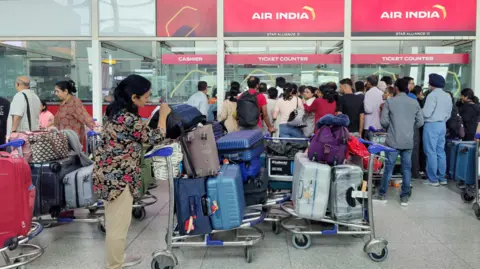
Travelers may also feel the impact. Flights that once crossed the Gulf region are being rerouted around affected airspace, causing delays, longer flight times, and occasional cancellations on some Europe-Asia and Africa-Asia routes, according to aviation officials. Looking ahead, watch for signals about diplomatic efforts to reduce tensions, changes in US military deployments, and shifts in global energy markets as indicators of how long this crisis might last.
How do you think regional powers and global partners should balance deterrence with diplomacy to prevent this conflict from widening further?
Sources: Public statements by the United Arab Emirates Ministry of Defence (1 March 2026); televised remarks by Iranian Foreign Minister Abbas Araghchi to Al Jazeera (1 March 2026); eyewitness accounts and on-the-ground reporting compiled by BBC security correspondent Frank Gardner (1 March 2026).