TL;DR
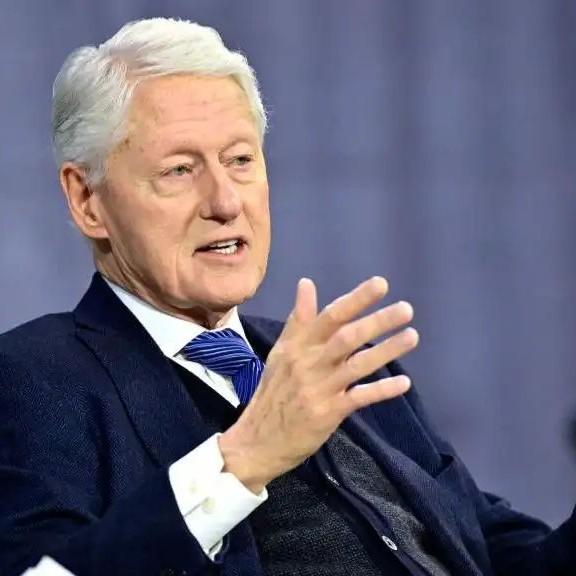
Bill Clinton, in nearly seven hours of closed-door testimony to House investigators, said he never knew of Jeffrey Epstein’s crimes and would have “turned him in” if he had.
Why This Matters
The questioning of a former president under subpoena is rare, underscoring how the long shadow of Jeffrey Epstein still shapes U.S. politics and public trust. Clinton’s testimony marks the first time a former commander in chief has been compelled to speak to Congress about personal ties to the disgraced financier, who died in jail in 2019 while facing federal sex-trafficking charges.
The session comes as lawmakers revisit how powerful figures moved in Epstein’s orbit, and whether political influence ever helped shield him. Republican leaders on the House Oversight Committee are using the inquiry to examine high-level relationships with Epstein, while Democrats say the focus on the Clintons risks turning a broad accountability effort into a partisan fight.
For many Americans, the case blends concerns over sexual abuse, money in politics, and unequal justice. The latest update from Capitol Hill may not change the legal picture for Clinton, who has never been charged with crimes related to Epstein, but it sharpens questions about transparency from those who held the highest offices in government.
Key Facts & Quotes
According to people familiar with the closed-door interview and a summary released by the House Oversight Committee, Bill Clinton told lawmakers he “did nothing wrong” in his interactions with Epstein, adding, “I saw nothing that ever gave me pause.” He said that had he known of any abuse, “Not only would I have not flown on Epstein’s plane if I had known any inkling of what he was doing. I would have turned him in myself.”
The appearance followed more than six hours of questioning of his wife, former Secretary of State Hillary Clinton, the previous day as part of the same investigation. Republicans leading the panel have signaled they want to make the Clintons’ long-running public profile central to their probe, even as other political figures have faced scrutiny over Epstein ties.
Clinton acknowledged using Epstein’s private jet and support for travel linked to his foundation’s work, describing the relationship as “transactional” because he needed donors and global transportation. A 2019 public statement from his office said he took several trips on Epstein’s plane in the early 2000s but denied visiting Epstein’s private island or knowing of his crimes.
Investigators reviewed photos and records from Epstein-related files, including an image showing Clinton in a hot tub with a woman whose face was obscured to keep her identity confidential. The committee also examined overlapping social circles, including actor Kevin Spacey, who joined some Africa flights involving Epstein and Clinton, and Commerce Secretary Howard Lutnick, a billionaire who told Congress he misstated earlier claims and, in fact, saw Epstein on his island in 2012 after Epstein’s prior conviction.
Former President Says He Knew “Nothing” of Crimes
Bill Clinton was asked about a photograph showing him in a hot tub during testimony related to investigations into Jeffrey Epstein. Clinton stated he was unaware of any criminal activity connected to Epstein. #EuroPost pic.twitter.com/wBv5Z0Qd7U
— EuroPost Agency (@EuroPostAgency) February 28, 2026
What It Means for You
For most Americans, these hearings will not change day-to-day life, but they do feed into broader questions about how political and financial elites are monitored and held to account. Watching how Congress handles witnesses from both parties will signal whether the inquiry is widening beyond the Clintons or narrowing into a partisan clash.
The latest update also highlights how long serious misconduct can remain hidden when powerful networks are involved. Lawmakers’ findings could influence future rules on donor transparency, travel disclosures for public officials, and how federal agencies track repeat offenders like Epstein.
In the months ahead, pay attention to whether the committee calls additional high-profile witnesses, including former or current officeholders from either party, and whether any new documents or sworn statements contradict existing public accounts. Those developments will help show whether this remains primarily a political story or evolves into a deeper look at systemic failures around abuse and accountability.
How should Congress balance investigating elite networks like Epstein’s with avoiding turning such probes into purely partisan battles?
Sources: U.S. House Oversight Committee questioning summaries and member statements (Feb. 2026); public statements from the Office of Bill Clinton (July 2019); federal court records in the Jeffrey Epstein cases (2008, 2019).