TL;DR
Following Ayatollah Ali Khamenei’s killing after nearly 37 years in power, Iran has activated a temporary three-man leadership council while a closed-door clerical process begins to select the country’s next supreme leader.
Why This Matters
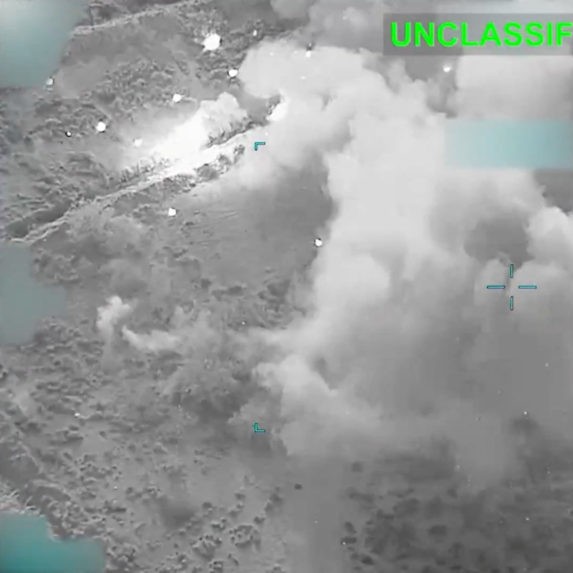
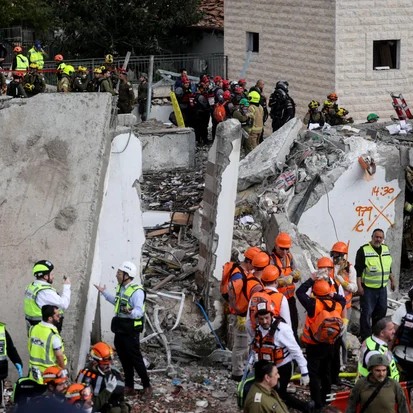
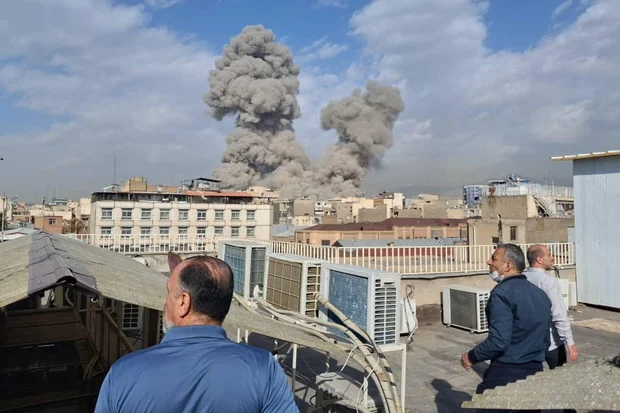
The death of Iran’s supreme leader marks a rare and consequential turning point for a nation that has been under the same top authority since 1989. According to a televised report carried by U.S. public broadcasting on March 1, Khamenei was killed in an airstrike campaign linked to the United States and Israel, triggering an emergency succession process laid out in Iran’s constitution.
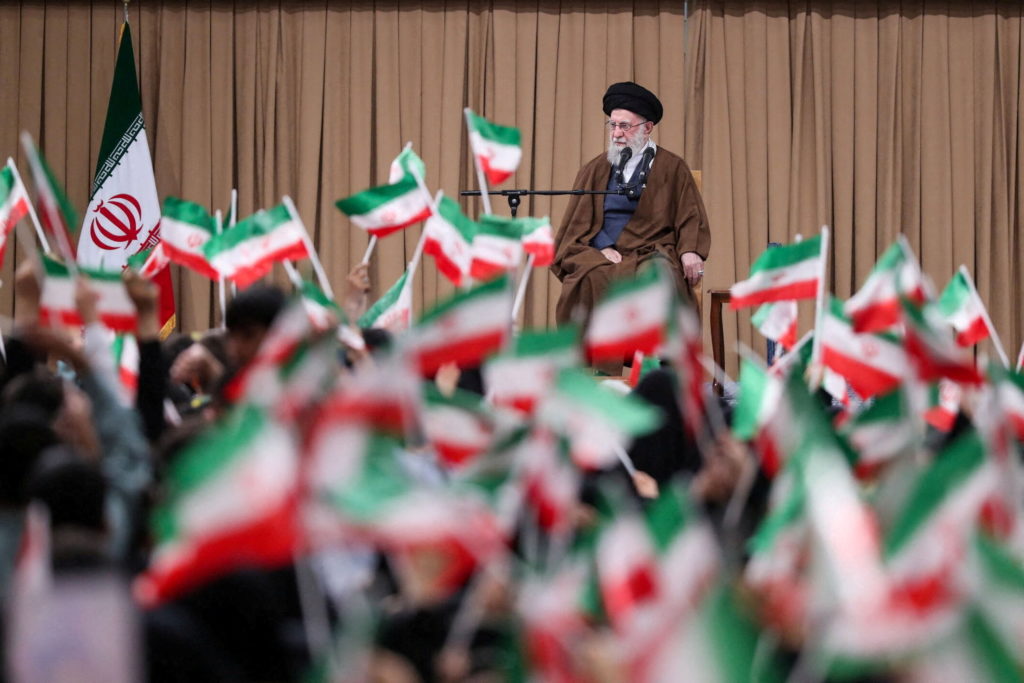
The supreme leader sits at the apex of Iran’s political and religious system, outranking the elected president, parliament and courts. He sets the broad direction of domestic policy, controls the armed forces and has the final say on nuclear talks, regional alliances and crackdowns on dissent. Any change at this level can ripple across energy markets, global security planning and the large Iranian diaspora.
⬛️ Iran’s Supreme Leader Ayatollah Ali Khamenei is killed in a joint US–Israel strike, triggering a critical succession process
▶️ Assembly of Experts is tasked with selecting Iran’s highest political and religious authority
📌 Candidates reportedly must pass Guardian Council… pic.twitter.com/HgYYYDSf60
— Anadolu English (@anadoluagency) March 1, 2026
This succession fight unfolds after years of tension over Iran’s nuclear program, the 2015 nuclear deal and broad U.S. sanctions. The outcome could influence Tehran’s confrontation with Israel, the future role of the Revolutionary Guard, and whether Iran’s leadership tightens or relaxes social and political restrictions at home.
Key Facts & Quotes
Iran’s constitution gives the Assembly of Experts, a body of elected clerics, the power to choose the next supreme leader. Until that decision is made, a leadership council has been formed, public broadcasting reports. It includes President Masoud Pezeshkian, judiciary chief Gholamhossein Mohseni Ejei and one member of the Guardian Council chosen by the Expediency Council.
These three officials are tasked to “temporarily assume all the duties of leadership” while the Assembly deliberates, according to the report summarizing Iran’s constitutional provisions. The interim council structure is designed to prevent a power vacuum in a system where a single figure holds ultimate authority over the state, the military and key economic levers.
The Assembly of Experts itself is heavily filtered. Candidates must first be approved by the Guardian Council, an unelected vetting body known for removing many would-be officeholders. In March 2024, former President Hassan Rouhani, who oversaw the 2015 nuclear deal, was barred from running for the Assembly, underscoring the narrow circle of insiders likely to shape the succession.
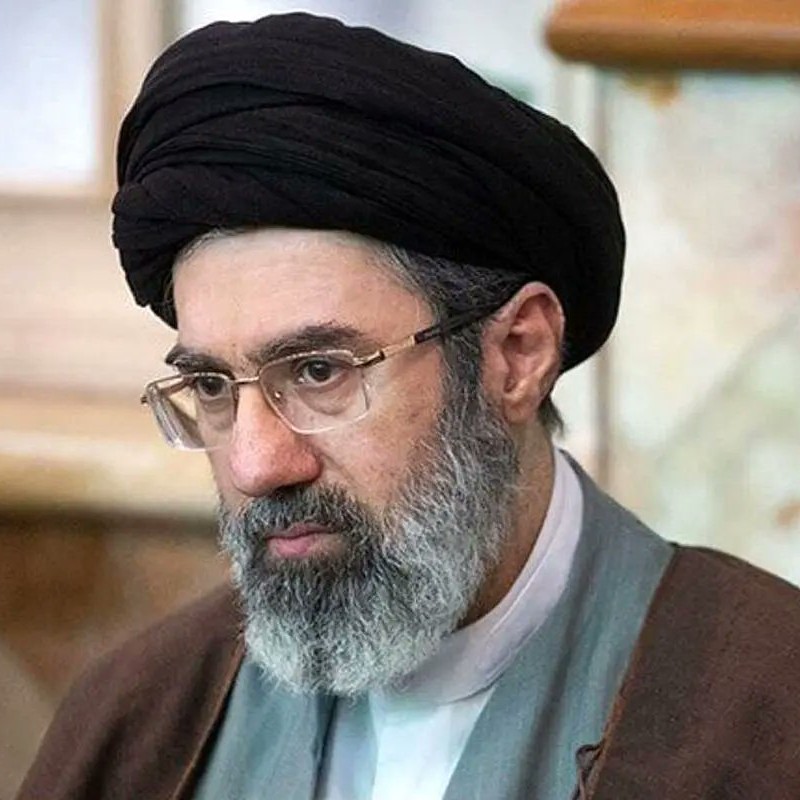
Before his death, many analysts viewed hard-line President Ebrahim Raisi, a close Khamenei protege who died in a 2024 helicopter crash, as a probable successor. Attention has since turned to Khamenei’s 56-year-old son, cleric Mojtaba Khamenei. A father-to-son transfer, however, could spark backlash from critics and some supporters who see any perceived dynasty as contradicting the revolutionary promise to break with monarchic rule.
What It Means for You
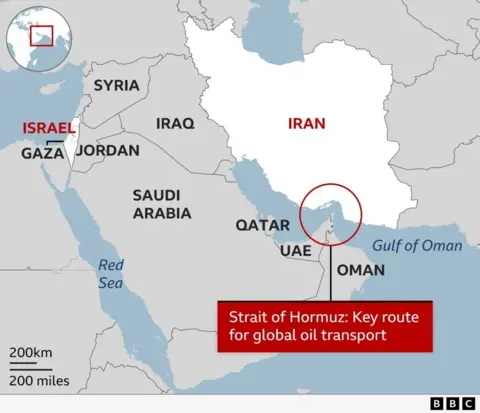
For U.S. and global audiences, Iran’s leadership transition is more than a distant political story. The new supreme leader will help determine the course of Iran’s nuclear work, its support for armed groups in the Middle East, and its posture toward shipping lanes and energy exports that affect global prices. Washington’s decisions on sanctions, military deployments and diplomacy will likely adjust in response.
In the coming weeks, observers will watch for signs of consensus around a single candidate, the stance of the powerful Revolutionary Guard and any public unrest inside Iran. According to Iran’s 1979 constitution and later amendments, the Assembly of Experts could opt for a single leader or, in theory, a leadership council model, though the latter has never been used permanently.
Sources: Official succession framework from the Constitution of the Islamic Republic of Iran (1979, amended 1989); televised report on Iran’s leadership council and potential successors broadcast by U.S. public media on March 1, 2026.
How do you think Iran’s choice of its next supreme leader will most visibly shape global events that ordinary people feel in their daily lives?