TL;DR
Hundreds of thousands of travelers are stranded worldwide after U.S.-Israeli strikes on Iran led to airspace closures and shutdowns at major Middle East hubs.
Why This Matters
The closures across Middle East airspace show how quickly conflict can ripple through the global travel system. Airports in Dubai, Abu Dhabi and Doha are among the world’s busiest hubs, linking Europe, Africa and the Americas to Asia. When those hubs shut down, disruptions cascade across continents, stranding passengers far from any war zone.
For U.S. travelers, this latest update matters even if they are not flying to the region. Flights that normally pass over the Middle East now must divert, meaning longer routes, higher fuel costs and potential schedule changes. Airlines, already managing tight budgets, may respond with higher fares and thinner options on some long-haul routes.
The situation also highlights the security risks for civilians near key infrastructure. Missile and drone strikes reported at airports in the United Arab Emirates and Kuwait resulted in casualties, according to local officials, underscoring how quickly commercial and military realities can collide when tensions escalate.
Key Facts & Quotes
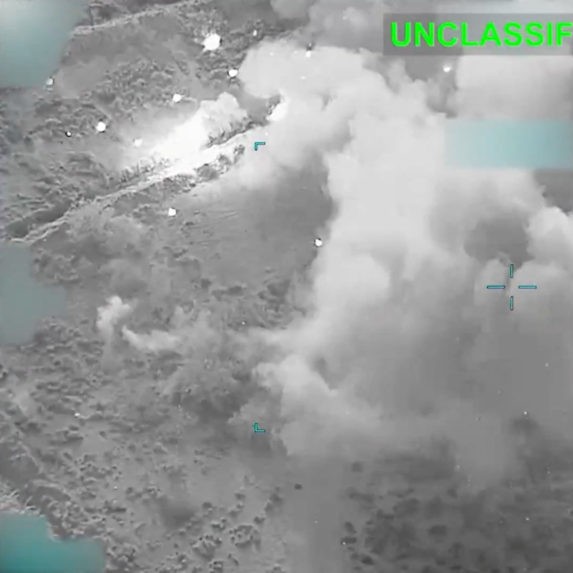
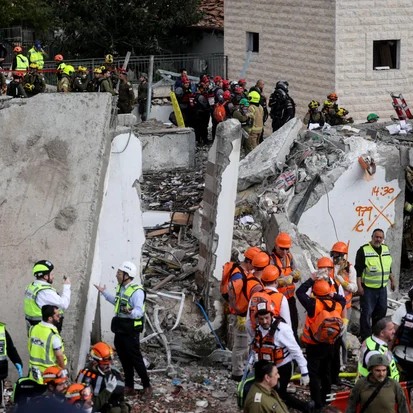
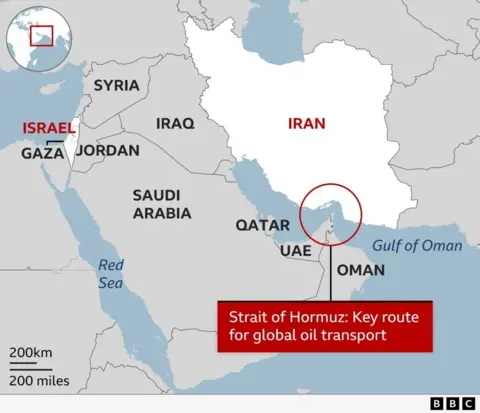
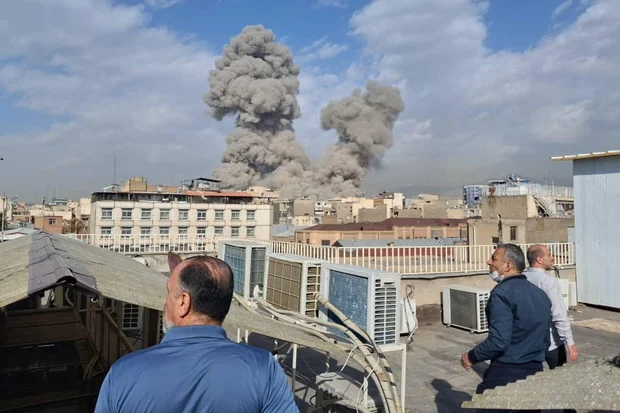
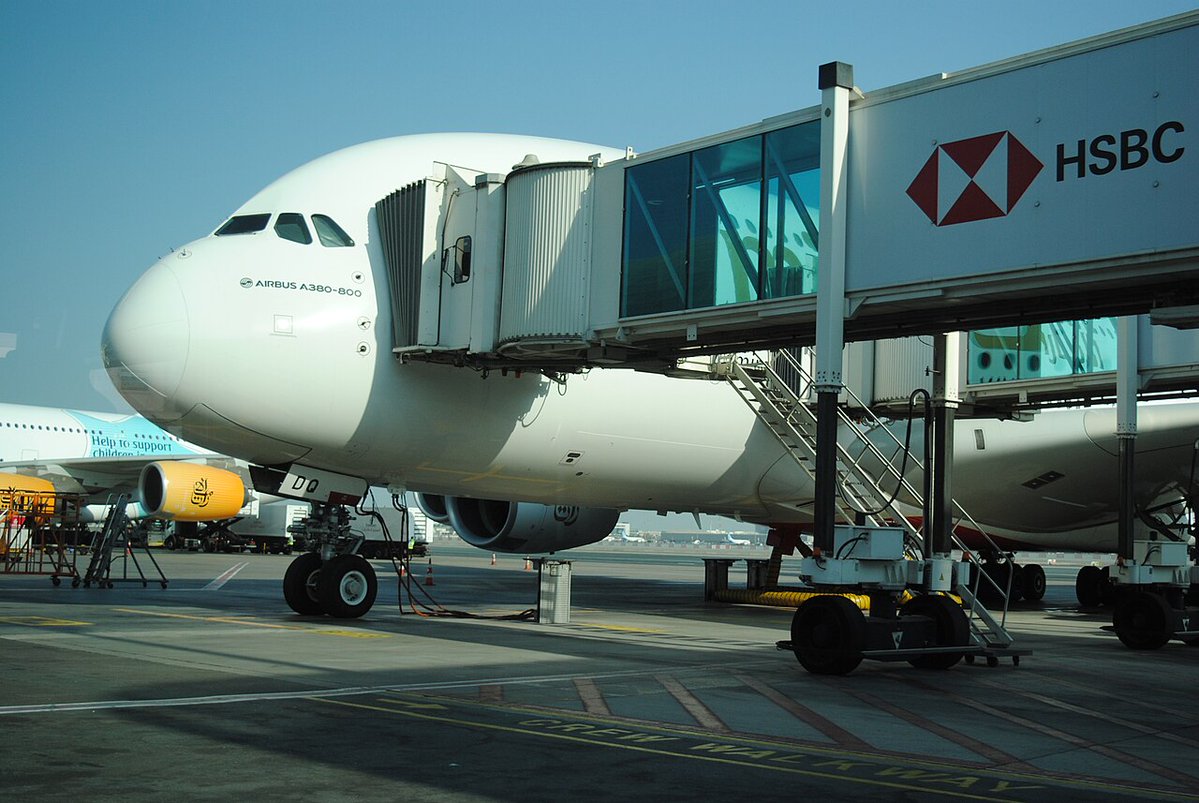
According to reporting by the Associated Press on Sunday, attacks on Iran by the United States and Israel led to widespread airspace or airport closures in Israel, Qatar, Syria, Iran, Iraq, Kuwait, Bahrain, Oman and the United Arab Emirates. Major hubs in Dubai, Abu Dhabi and Doha were shut, and all three were directly hit by strikes. Dubai International is among the world’s busiest international airports.
Airport officials in the UAE said a drone strike at Abu Dhabi’s Zayed International Airport killed one person and injured seven, while four people were injured at Dubai International Airport. Strikes were also reported at Kuwait International Airport. The UAE government condemned what it called a “blatant attack involving Iranian ballistic missiles,” though Iran did not publicly claim responsibility.
Flight tracking data cited by AP from FlightAware showed more than 2,800 flights canceled Sunday to and from airports across the Middle East. Aviation analytics firm Cirium estimated that at least 90,000 people a day normally connect through Dubai, Doha or Abu Dhabi on Emirates, Qatar Airways and Etihad Airways alone, suggesting hundreds of thousands are now stranded.
#FlightCancellations | 100 cancelled at #Delhi IGI, 30 at #Chennai, 50 at #Bengaluru airport; Qatar Airways operations to remain suspended, Akasa Air cancels Gulf flights till March 3
Track LIVE updates 🔗 https://t.co/h3tiNkzLg2 pic.twitter.com/a3WqYry5sw
— The Times Of India (@timesofindia) March 2, 2026
Emirates suspended all flights to and from Dubai until at least Monday afternoon, while Air India halted flights to the UAE, Saudi Arabia, Israel and Qatar until Tuesday. “For travelers, there’s no way to sugarcoat this,” travel industry analyst Henry Harteveldt said, warning of ongoing delays and cancellations “for the next few days as these attacks evolve and hopefully end.”
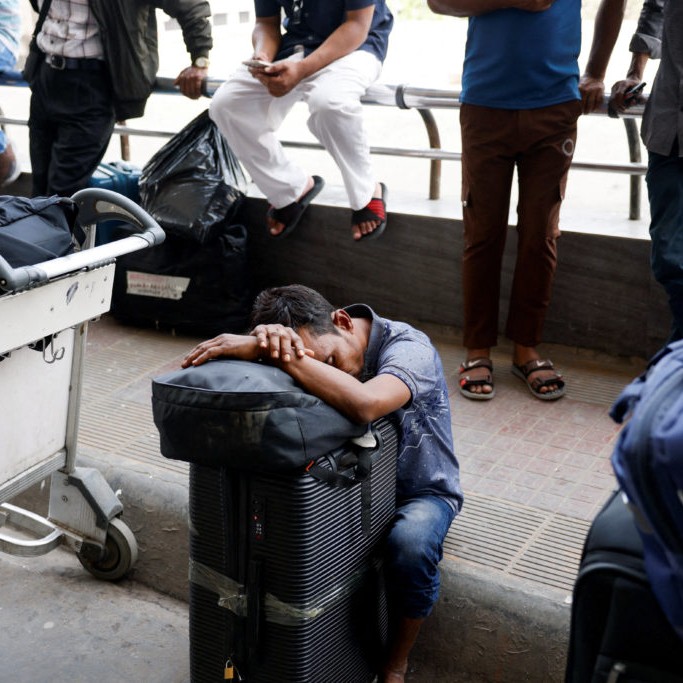
Individual travelers described confusion and fear. In Dubai, American visitor Kristy Ellmer said she was staying away from windows after hearing “hundreds” of explosions. In Dhaka, Bangladeshi worker Mohammad Abdul Mannan said, “My only concern is how to go abroad and how to earn an income.”
What It Means for You
Even if you are not heading to the Middle East, you may feel the effects. If you have upcoming trips that involve connections through Dubai, Abu Dhabi, Doha or nearby hubs, check your airline’s website and app frequently rather than relying on older confirmation emails. Many carriers are issuing travel waivers, allowing passengers to rebook without fees or receive refunds.
#Iran #Israel #USA #MiddleEast #avgeek https://t.co/7Kr4kutJ4N – X / AvSourceNews
Travelers in their 40s to 70s, who often plan costly long-haul vacations or work trips months ahead, should watch for route changes and longer flight times on Europe-Asia and U.S.-Asia journeys routed away from the conflict zone. Analysts say prolonged diversions could push up fares and add stress to already crowded schedules. If you are booking new international travel, it may be worth considering travel insurance that specifically covers war-related disruptions and extended delays.
Sources: Associated Press / PBS NewsHour report by Marc Levy, March 1, 2026; statements and data cited from UAE airport authorities and FlightAware flight-tracking figures, March 1-2, 2026.
How, if at all, do these kinds of geopolitical travel disruptions change the way you plan international trips?