TL;DR
Greece has purchased a private collection of World War II photographs showing the final hours of 200 men executed by Nazi forces in Athens in 1944, stopping their online sale and transferring the images into public ownership for research and remembrance.
Why This Matters
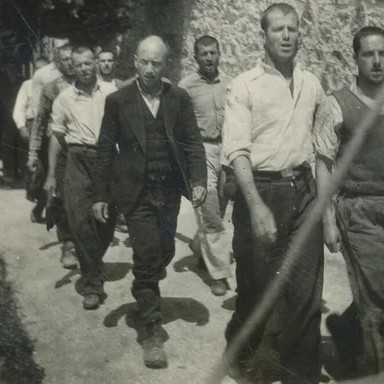
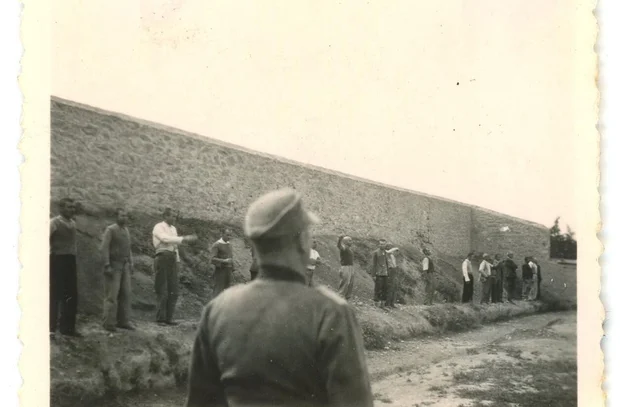
The acquisition gives Greece the first known photographic record of one of the country’s most infamous Nazi reprisals, the May 1, 1944 execution of 200 political prisoners at the Kaisariani shooting range in Athens. Until now, the event was documented mainly through written testimony and survivor accounts.
For countries occupied during World War II, visual evidence of crimes committed on their soil is still emerging more than eight decades later. These materials can shape how younger generations understand the war, resistance movements, and collaboration, especially as the last eyewitnesses pass away.
The deal also highlights growing concerns over how sensitive historical artifacts are traded online. Images that families and historians see as vital evidence can appear on auction sites as collectibles, sparking ethical debates over ownership, profit, and public access.
Similar questions surround Holocaust-era photographs and looted art now resurfacing in private hands. By bringing this collection into a national archive, Greece follows a broader European trend of trying to secure key pieces of wartime history before they disappear again into private collections.
Key Facts & Quotes
According to Greece’s culture minister Lina Mendoni, the state has acquired 262 photographs, 16 documents and four period banknotes believed to have belonged to a German soldier who served in Greece, Belgium and France. The photos include a sequence showing the transport, assembly and execution of 200 men on May 1, 1944, in Athens, following the killing of a German general by communist guerrillas days earlier.
The images surfaced recently on a militaria sales page on eBay, where 12 of the photos were briefly offered. Some attracted bids above $2,000 before Belgian collector Tim de Craen, who held the archive, halted the sale after an outcry in Greece, according to reports by CBS News and France 24.
Greece Reclaims Lost WWII Horror: 262 Chilling Photos of Nazi Mass Execution Return Home 🇬🇷
Video 👇👇👇‼️
For a visual overview of the historical context behind these photographs, watch this documentary segment: “Greece will seek to obtain Nazi execution photos offered for sale… pic.twitter.com/Nk5kJha82e— GP Q (@argosaki) March 1, 2026
Greek culture officials traveled to Belgium to examine the material and negotiate a purchase. “The transfer of ownership of the photographic collection has been completed,” Mendoni said in an official statement, describing the images as material of “exceptional historical value” that will be preserved by the state.
Polymeris Voglis, a social history professor in Greece who reviewed the photographs, told France 24 they were deeply affecting. He noted that although the execution of 200 resistance prisoners is a well-known event, “until now there has been no photographic evidence of it,” adding that some pictures show the men walking “proudly towards the firing squad,” their faces reflecting determination.
What It Means for You
For readers, this latest update underscores how World War II remains a living issue, not just a chapter in history books. New documentation can still reshape understanding of Nazi occupation, resistance, and political violence in Europe – themes that echo in current debates over war crimes and accountability.
The acquisition may lead to public exhibitions, documentaries, and education projects, including digital archives accessible from abroad. For families of the victims, it offers a rare visual connection to relatives whose last hours were known only through letters thrown from transport trucks.
It also raises a wider question about what happens when sensitive historical records are treated as collectibles online. As more private wartime archives emerge, governments, museums and the public may face repeated choices about whether such items should be bought, donated, or restricted from commercial trade.
How do you think countries should handle the sale of sensitive wartime photos and documents that surface in private hands?
Sources: CBS News report on Greece’s acquisition of WWII execution photos (March 2, 2026); France 24 coverage of the photo collection and interviews with collector Tim de Craen and historian Polymeris Voglis (March 2, 2026); statement from the Greek Ministry of Culture.