TL;DR
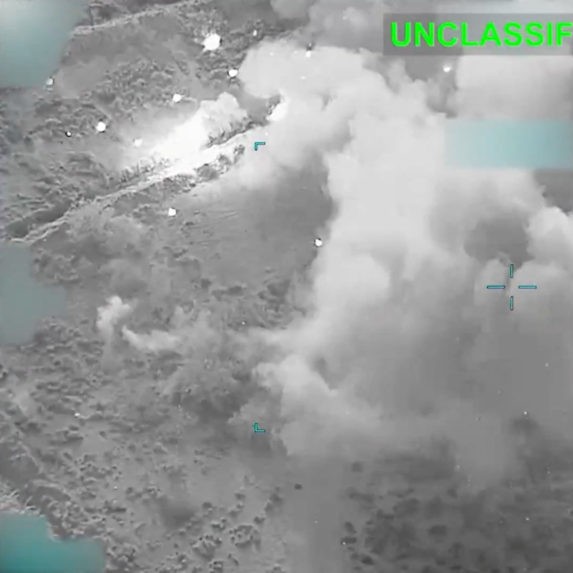
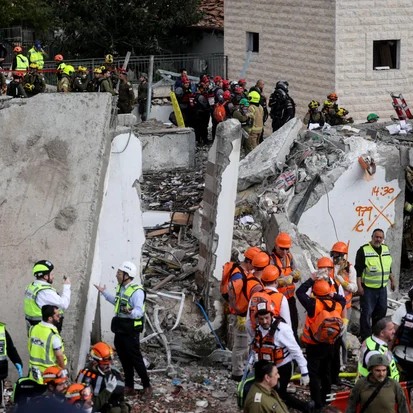
On day two of U.S. and Israeli strikes on Iran, the Pentagon confirmed the first three U.S. troop deaths, Iranian rescue officials reported hundreds killed, and an apparent Iranian attack set part of the U.S. Embassy compound in Kuwait ablaze.
Why This Matters
The latest update from the region points to a fast-escalating conflict that now involves direct U.S. military casualties and expanding fronts beyond Iran and Israel. When American service members are killed, pressure typically rises at home for clear goals, timelines, and limits on any operation. For many military families and veterans, this is no longer a distant crisis but an immediate concern.
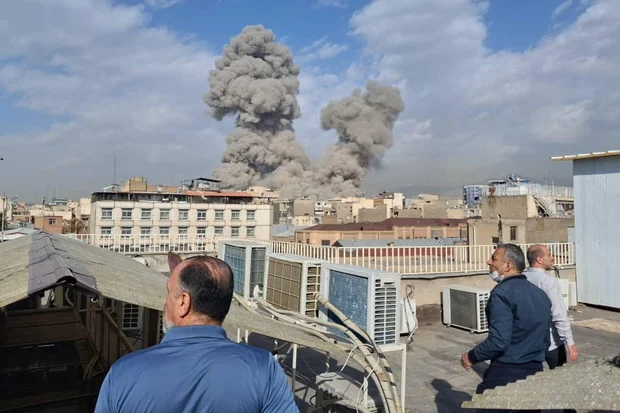
According to reports carried by CBS News, Iran’s humanitarian agency says hundreds have been killed inside the country since the strikes began, suggesting a mounting civilian toll. Fighting that reaches Kuwait and targets an embassy compound also raises the stakes. Diplomatic missions are protected spaces; attacks on or near them test long-standing international norms.
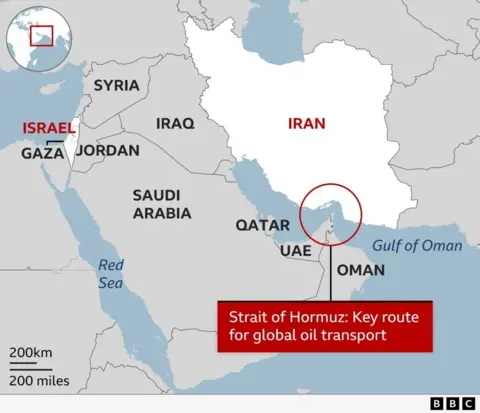
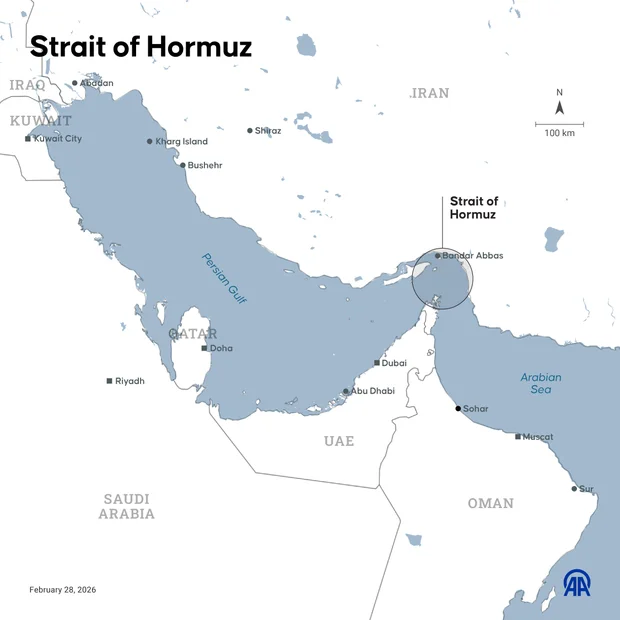
The Strait of Hormuz, highlighted in coverage as a vital oil shipping lane, sits at the center of these tensions. Any sustained conflict involving Iran can unsettle global oil flows and raise energy costs, even for people far from the region. For U.S. readers watching gas prices, financial markets, and travel safety, this is now a top story in global news, not just a regional clash.
Key Facts & Quotes
According to the Pentagon, as cited by CBS News, three U.S. service members were confirmed killed on Sunday in the ongoing military operation against Iran. These are the first publicly acknowledged American fatalities of the campaign.
Israeli Prime Minister Benjamin Netanyahu said Israeli strikes on Iran “will increase even more in the coming days,” according to the same coverage. His statement signals that, at least from Israel’s side, the operation is set to intensify rather than wind down.
The Iranian Red Crescent, the country’s main humanitarian and rescue organization, reported in a Telegram post that 555 people have been killed in Iran since the fighting began, CBS News reported. That figure has not been independently verified but, if accurate, points to heavy losses on the Iranian side.
Israel’s military, the Israel Defense Forces (IDF), said it was safe for residents to leave bomb shelters, though people were still instructed to remain close to them. That guidance reflects ongoing concern about further missile or drone attacks despite a partial easing of immediate alarm.
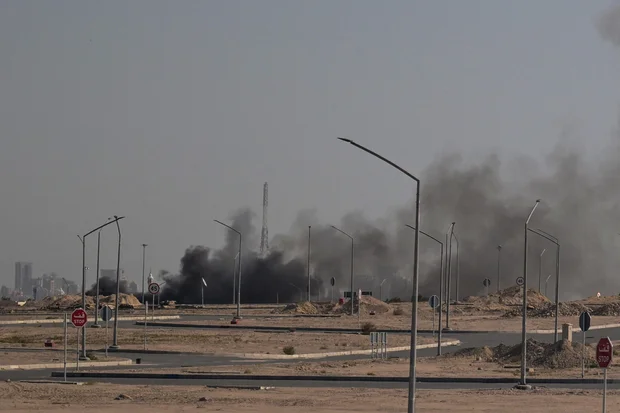
In Kuwait, smoke and fire were seen rising from inside the U.S. Embassy compound in Kuwait City after what officials described as an Iranian attack, according to the CBS report and images from the scene. The incident highlights how quickly the confrontation between the U.S., Israel, and Iran can spill into neighboring countries that host American diplomatic and military facilities.
What It Means for You
For Americans, this latest update underscores that U.S. forces are now taking casualties in a conflict that could broaden beyond Iran and Israel. Families with members in uniform may face new deployments or heightened risk, while embassies and bases across the region will likely move to tighter security.
JUST IN: 🇺🇸🇮🇷 President Trump says there will “likely” be more US casualties in war with Iran.#IranWar #Israel #Teheran pic.twitter.com/iqgGymjjkm
— SD (@KarkiBhavin) March 2, 2026
Even for those far from the Middle East, prolonged tension with Iran can influence everyday life. Energy markets often react to any threat to the Strait of Hormuz, a key route for global oil shipments, which can help push gasoline and heating costs higher. Financial markets may also turn volatile as investors weigh the risk of a wider war.
In the weeks ahead, key signals to watch will be whether diplomatic channels reopen, whether attacks spread to more countries, and how openly U.S. leaders define the scope and duration of this operation. How do you think the U.S. should balance military action with efforts to prevent a broader regional war?