TL;DR
Members of Congress from both parties are demanding a rapid vote on a war powers resolution after President Donald Trump ordered joint U.S.-Israel strikes on Iran without explicit prior authorization from Capitol Hill.
Why This Matters
The clash over war powers goes to the heart of how the United States decides to use military force. Under the Constitution, Congress is meant to declare war, while the president serves as commander in chief. That balance has eroded over decades, as presidents from both parties launched operations first and argued the legal basis later.
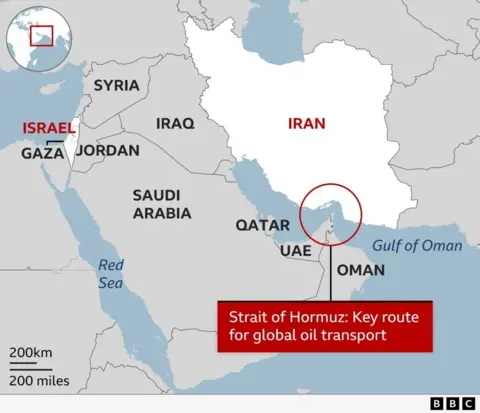
The latest update, involving joint U.S.-Israel strikes on Iran, raises the stakes. Iran is a major regional power with a disputed nuclear program and missile forces, and any wider conflict could draw in allies, disrupt global oil supplies, and unsettle already fragile Middle East politics. Lawmakers are warning of another “forever war” without a clear endgame.
The war powers debate is also about transparency and accountability. A formal vote forces members of Congress to go on record, which can matter in elections and in future legal challenges. Even if any resolution is largely symbolic, it signals to the White House, U.S. allies, and Iran how divided or united Washington is on the use of force.
Key Facts & Quotes
According to the Associated Press report and public statements from lawmakers, House and Senate leaders had drafted war powers resolutions weeks before the latest strikes. Those measures would restrict President Trump’s ability to continue military operations against Iran unless Congress authorizes them. A rare, high-profile debate is expected next week in both chambers, where Republicans hold slim majorities.
Sen. Tim Kaine, a Virginia Democrat and longtime advocate for updating war powers law, called the strikes on Iran “a colossal mistake” and questioned decades of U.S. involvement in the region, asking, “Has President Trump learned nothing from decades of U.S. meddling in Iran and forever wars in the Middle East?” Reps. Ro Khanna, a California Democrat, and Thomas Massie, a Kentucky Republican, are pushing for a House vote, with Khanna insisting “Congress must convene on Monday to vote, to stop this.”
Republican leaders mostly backed the operation. House Speaker Mike Johnson said Iran is facing “the severe consequences of its evil actions” and noted that a small group of congressional leaders had been briefed in advance that action “may become necessary.” Sen. Lindsey Graham praised Trump, saying he was “in awe of President Trump’s determination to be a man of peace but at the end of the day, evil’s worst nightmare.” Democrats, including Sen. Chris Van Hollen, argue the strikes amount to an “illegal, regime-change war against Iran” and say Congress alone can authorize such a conflict.
President Donald Trump’s joint strikes with Israel against Iran have intensified a growing bipartisan push in Congress to rein in his war powers. https://t.co/VdbTCvJDir pic.twitter.com/gpnOSqw7yc
— FOX 2 Detroit (@FOX2News) March 1, 2026
What It Means for You
For most Americans, the immediate concern is whether this confrontation drags the country into another long, costly Middle East war. Extended deployments affect military families, federal spending, and, potentially, taxes and domestic priorities. Markets also tend to react to conflict in the Persian Gulf, with possible knock-on effects for gas prices and retirement accounts.
The coming war powers vote, even if symbolic, will show where individual lawmakers stand on the use of force and presidential power. Voters who care about foreign policy, civil-military balance, or simply avoiding another large-scale war may want to watch how their representatives vote and what they say in public statements.
As Congress and the White House confront each other over Iran, how do you think decisions about war and peace should be shared between elected branches?