TL;DR
Oil prices and natural gas costs have jumped while major stock markets fell, as Iranian strikes and security threats near the Strait of Hormuz slow shipping and raise fresh fears over inflation, energy bills, and global economic stability.
Why This Matters
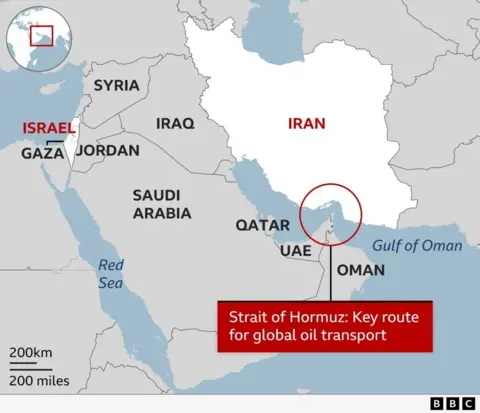
The Strait of Hormuz, a narrow channel between Iran and Oman, is one of the world’s most critical energy corridors. Roughly a fifth of global oil and gas supplies passes through it. When traffic there is threatened, markets react quickly, because even a short disruption can tighten supplies and drive prices higher.
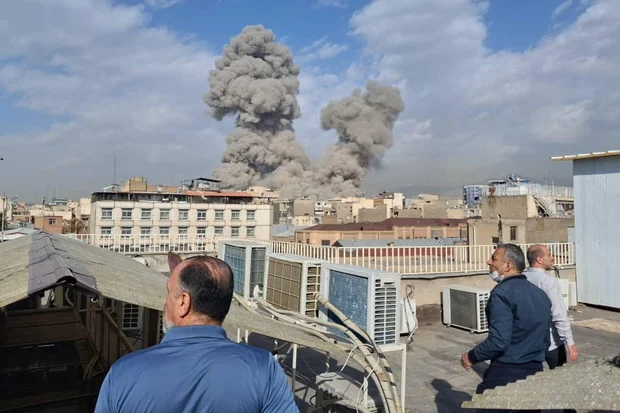
This latest update comes as Iran continues strikes across the Middle East in response to attacks by the United States and Israel. The resulting tension affects more than regional politics. Higher oil and gas prices can feed into the cost of fuel, heating, air travel, shipping and, eventually, everyday goods. That in turn can complicate central banks’ efforts to keep inflation under control after several years of price spikes.
Previous disruptions in key energy routes, from the 1970s oil shocks to more recent attacks on tankers in Gulf waters, have shown how quickly market nerves can spread into the wider economy. Today’s combination of conflict, stalled shipping, and fragile global growth raises the risk that a local flare-up could have worldwide effects.
Key Facts & Quotes
Global benchmark Brent crude jumped about 10% on Monday to above $82 a barrel after at least three ships were attacked near the Strait of Hormuz over the weekend, according to market data cited by BBC News. It later eased back to around $79. U.S.-traded oil rose roughly 7.6% to $72.20 a barrel, while natural gas prices climbed as much as 25%.
Oil prices surge as Iran conflict disrupts Middle Eastern supply flow. Strategic importance of Strait of Hormuz #Explainedhttps://t.co/Bno1i5DcN3 #Iran #UPSC pic.twitter.com/O5Me3sH70t
— Manorama Yearbook (@MM_Yearbook) March 2, 2026
Stock markets slid in response. London’s FTSE 100 opened nearly 1% lower, with airline shares hit after airspace closures across parts of the Middle East. France’s CAC-40 fell around 1.6% and Germany’s Dax dropped 1.7%. Gold, often seen as a safe haven during turbulence, gained 2.3% to about $5,395.99 an ounce.
The UK Maritime Trade Operations Centre said at least two vessels were struck and an “unknown projectile” exploded close to a third. Iran’s Islamic Revolutionary Guards Corps claimed three UK- and US-linked tankers were hit and “are burning”; those assertions have not been confirmed by the UK or US. Ship-tracking firm Kpler estimated at least 150 tankers are now anchored in Gulf waters beyond the strait, with analyst Homayoun Falakshahi saying the route is “effectively closed” as insurance costs soar.
Container giant Maersk said it would pause sailings through the Bab el-Mandeb Strait and the Suez Canal, rerouting around the Cape of Good Hope, which lengthens voyages and adds costs. Opec+ producers agreed to increase output by 206,000 barrels a day to ease price pressures, though some analysts doubt it will fully offset lost flows. “The market isn’t panicking,” said Saul Kavonic of MST Marquee, noting that transport and production facilities are not yet primary targets. Robin Mills of consultancy Qamar Energy said prices were still below levels seen two years ago, while Edmund King of the AA warned turmoil “will inevitably lead to price hikes” at the pump if it persists.
What It Means for You
For households and retirees, the most direct impact is likely to be at the gas station and on utility bills. If oil stays elevated or rises further, drivers could see higher petrol and diesel prices within days or weeks, and airlines may pass on increased fuel costs through fares. A prolonged conflict could also add pressure to inflation, influencing future interest rate decisions that affect mortgages, savings and credit-card costs.
Businesses that rely on global shipping, from retailers to manufacturers, may face higher freight rates and longer delivery times as ships divert around Africa. That can eventually filter into the price and availability of everyday goods. This is a fast-moving global news story, so watching energy markets, official government guidance, and updates from major shippers will help indicate whether this is a short shock or the start of a longer squeeze.
Sources: Based on reporting from BBC News (2 March 2026) and official statements and data from the UK Maritime Trade Operations Centre, Maersk and Kpler cited therein.
How concerned are you about energy supply risks like this when you think about your own budget and long-term financial plans?