TL;DR
A sprawling winter storm unleashed destructive tornadoes in Indiana and Illinois and caused deadly crashes in Nebraska, with high winds still forecast across parts of the Midwest.
Why This Matters
For millions across the central United States, this latest update is a reminder that severe weather is no longer confined to a single season. A winter storm stretching roughly 1,000 miles from Ohio to Nebraska has delivered a mix of hazards: tornadoes, hurricane-force gusts, and heavy snow with whiteout conditions.
Such overlapping threats strain local emergency services, power companies, and transportation networks at the same time. Communities in Indiana and Illinois are now dealing with tornado damage, while parts of Nebraska manage fatal crash scenes and road closures after heavy snow. Elsewhere in the region, residents face high winds that can quickly turn loose debris and weak tree limbs into new dangers.
For readers, this is not just about one night of bad weather. It highlights how fast conditions can change and the importance of acting on watches and warnings, even in months when people may be thinking more about cold snaps than tornado sirens. It also raises questions about how towns and cities will strengthen buildings, roads, and power systems to better withstand future severe storms.
Key Facts & Quotes
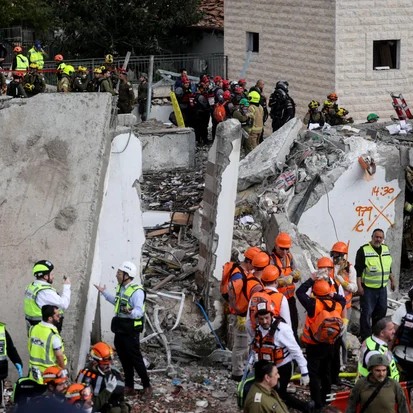
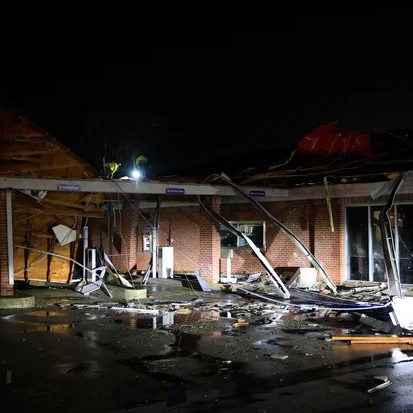
Storms on Thursday produced at least two significant tornadoes in the Midwest, according to local damage reports and state authorities. One violent twister cut a path of at least six miles through southeastern Illinois, shredding homes, overturning vehicles, and destroying an estimated dozen buildings. Mobile homes were mangled, and somewere flipped upside down; rescuers had to free at least one woman who was trapped inside.
Multiple large tornadoes were spotted in East Central Illinois and Indiana on Thursday night amid severe Ohio Valley storms. #Tornado #INwx #OHwx
Damage reported in Bloomington, IN (homes, bank, Monroe County Airport), Sullivan County, IN (downed trees, poles in Carlisle &… https://t.co/PrRqDQtQfK pic.twitter.com/3QHkEhhaWx
— GeoTechWar (@geotechwar) February 20, 2026
The same tornado then continued across the state line into Indiana. In Bloomington, a city of about 80,000 people in southern Indiana, another powerful tornado and severe thunderstorms brought wind gusts near 70 miles per hour. The storm toppled trees and power lines, peeled roofs off buildings, and heavily damaged a bank in a busy shopping district, leaving parts of its roof collapsed and facade torn away.
Farther west, the system delivered nearly a foot of snow and whiteout conditions around Omaha, Nebraska. The Nebraska State Patrol said two people died after a vehicle lost control on slick roads, and troopers responded to more than 150 weather-related incidents, including 45 crashes.
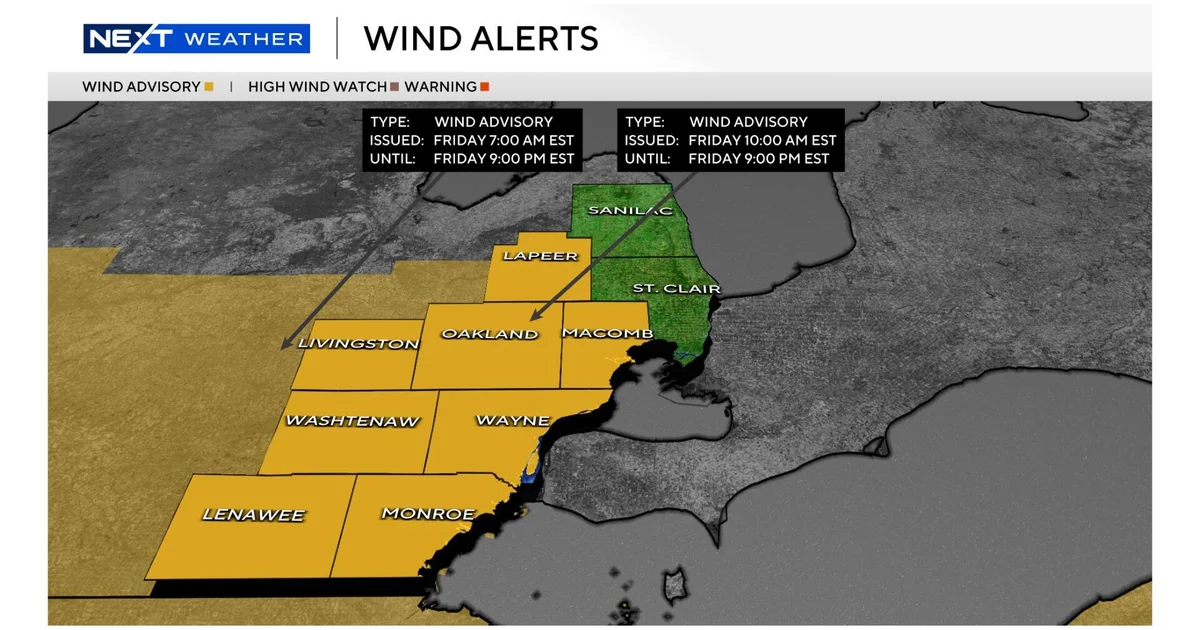
On Friday, the National Weather Service kept a wind advisory in place for portions of Indiana, Illinois, Michigan, and Ohio. The agency warned that gusty conditions could blow around unsecured objects and bring down some tree limbs, leading to scattered power outages. The Indianapolis office said westerly winds could frequently gust up to 45 miles per hour, especially in the morning.
What It Means for You
Anyone living in or traveling through the Midwest should expect changing conditions over the next day or so, even if the worst of the storms has passed. High winds can still damage weak structures, down branches, and briefly knock out power. If you are in an area under a wind advisory, securing outdoor items, charging phones and medical devices, and reviewing your household emergency plan are practical steps.
Drivers, especially those planning long trips through Nebraska and neighboring states, should check road conditions and be prepared for sudden drops in visibility or slick spots. Looking ahead, this event is another signal that severe weather preparedness is important year-round, not just in spring. How communities invest in stronger buildings, better warning systems, and quicker cleanup will shape how well they handle the next major storm.
How do you think communities in storm-prone regions should prioritize investments to better protect residents from increasingly varied severe weather?
Sources: State weather and emergency bulletins; Nebraska State Patrol statement on storm-related crashes (Feb. 20, 2026); National Weather Service advisories for Indiana, Illinois, Michigan, Ohio.