TL;DR
Iran says at least 148 people died when missiles hit a school in Minab, near an elite military base, as U.S. and Israeli air strikes across Iran intensified.
Why This Matters
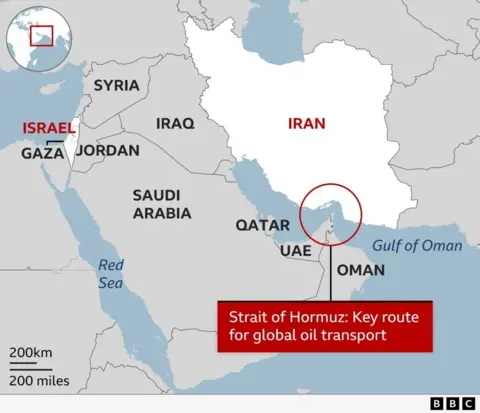
The reported school strike in southern Iran is one of the deadliest single incidents involving civilians since the latest round of cross-border attacks began. Iranian officials say at least 148 people were killed at the school in Minab, a town in Hormozgan province near the strategic Strait of Hormuz, a vital shipping route for global oil supplies.
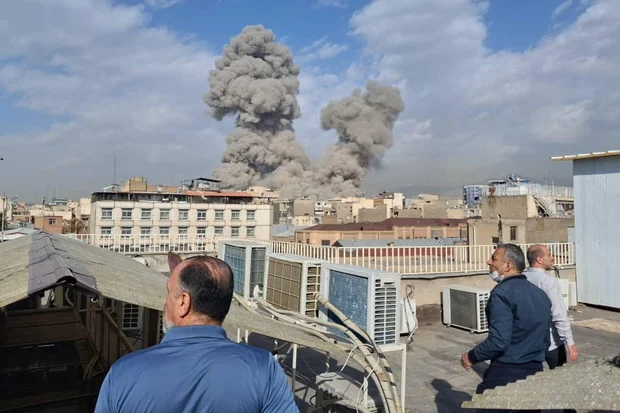
The incident comes amid a wider campaign of air strikes on multiple Iranian cities, which authorities in Tehran attribute to the United States and Israel. According to the Iranian Red Crescent, at least 201 people have been killed and 747 injured in air strikes across the country since Saturday. Those figures have not been independently verified due to limited foreign media access to Iran.
The reported killing of Iran’s Supreme Leader, Ayatollah Ali Khamenei, in an earlier air strike, along with senior commanders, has already shaken the region. A mass-casualty attack on a school, if confirmed, would deepen fears that civilians are increasingly at risk as military and political leaders are targeted.
Key Facts & Quotes
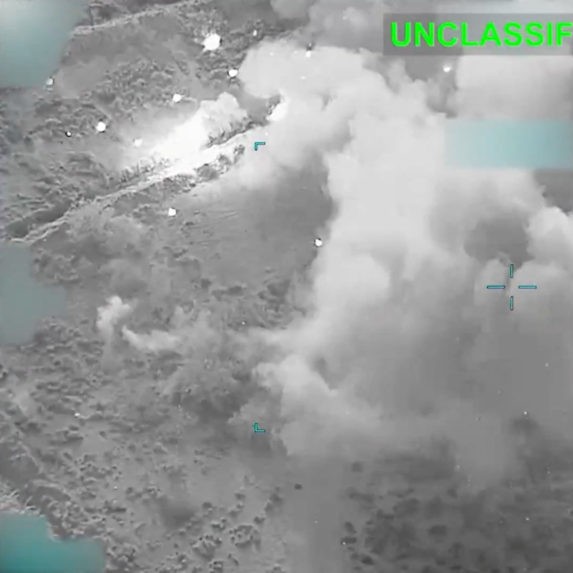
Iranian officials say the school in Minab was hit by three missile strikes and is located about 600 meters (around 1,970 feet) from a base of the Islamic Revolutionary Guard Corps (IRGC), Iran’s powerful military force. The base has reportedly been targeted in previous attacks.
Authorities in Tehran have accused the United States and Israel of carrying out the strike. U.S. media reports say the U.S. military’s Central Command, or Centcom, is examining the reports. A Centcom spokesperson, Tim Hawkins, said in a statement carried by American broadcasters: “We take these reports seriously. The protection of civilians is of utmost importance, and we will continue to take all precautions available to minimise the risk of unintended harm.” The Israeli military has said it is not aware of any Israel Defense Forces operations in the Minab area.
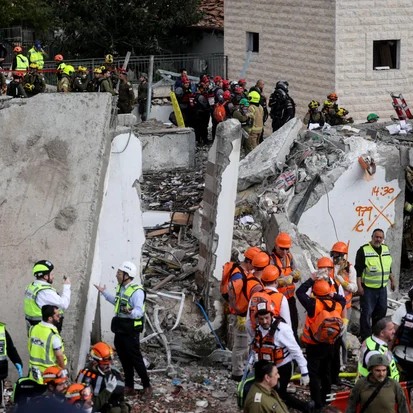
Humanitarian officials in Geneva said Red Cross and Red Crescent teams were deployed to the site after the Saturday blast. Independent journalists have verified video clips showing smoke rising from a damaged building, crowds searching rubble, and people screaming, though casualty figures could not be confirmed.
Iran’s President Masoud Pezeshkian condemned the incident as a “barbaric act and another black page in the record of countless crimes committed by the aggressors.” On Iranian social media, critics of foreign intervention and opponents of Iran’s leadership both voiced anger. One user abroad wrote that “the first victims of this war are 40 girls in Minab, hit by a missile attack,” while another argued that even if the government did not directly target schools, it “remains responsible” for children’s deaths.
At least 148 people have died after a reported military strike hit a school in southern Iran on Saturday, according to Iranian officials, marking one of the deadliest single incidents in the rapidly escalating regional conflict.https://t.co/tUXSGbq22A pic.twitter.com/e006KfEMVD
— Crunchupdates (@itsCrunchupdate) March 1, 2026
What It Means for You
For readers outside the region, the latest update from Iran underscores how quickly a targeted military campaign can spill over into civilian life. Schools, hospitals, and dense neighborhoods often sit close to military or government sites, raising the risk of high civilian casualties when those facilities are attacked.
Any prolonged confrontation involving Iran, the United States, and Israel could affect global news, energy markets, and shipping, especially near the Strait of Hormuz. That, in turn, can influence gasoline prices, investment portfolios, and broader economic stability.
With foreign journalists facing tight visa restrictions, reliable information from inside Iran may remain limited and delayed. Watching how humanitarian organizations, regional governments, and the United Nations respond will offer important clues about whether this crisis can be contained or will expand further.
In light of this escalation, what safeguards do you believe should be non-negotiable to better protect civilians, especially children, in modern conflicts?
Sources: Statements attributed to Iranian officials and the Iranian Red Crescent, March 2026; U.S. Central Command statement reported in American broadcast coverage, March 2026; video analysis by an international public-service broadcaster, March 2026.