TL;DR
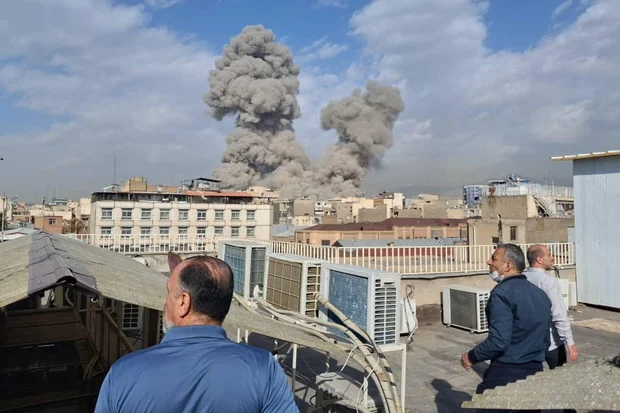
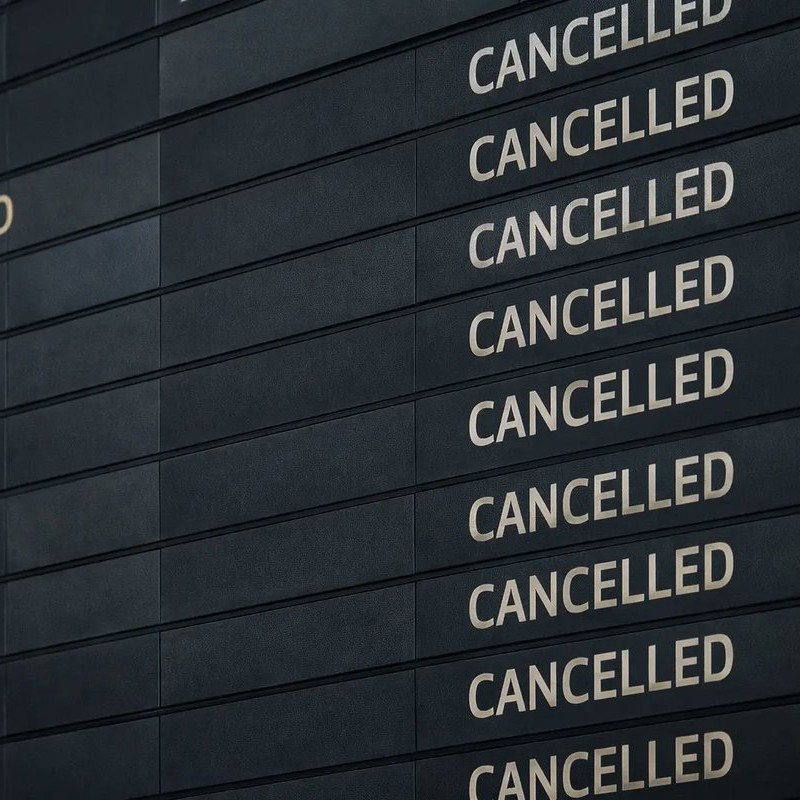
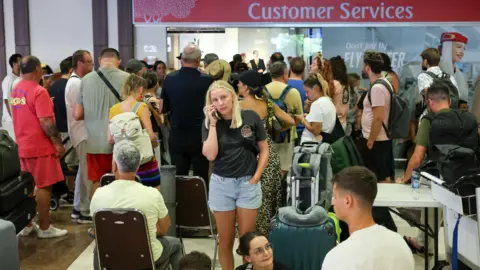
Major airlines have cancelled or diverted flights across the Middle East after U.S. and Israeli strikes on Iran and Iranian retaliation on Gulf states, prompting new UK travel warnings and leaving passengers stranded worldwide.
Why This Matters
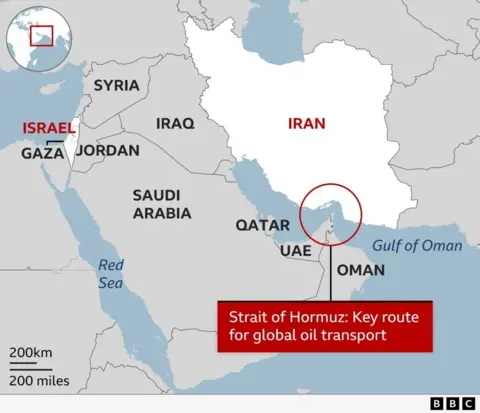
The latest update from the region shows how quickly military tensions can spill into everyday life, especially through air travel. The Gulf is a central crossroads for flights linking Europe, Asia, Africa, and Australia, so disruption there can ripple far beyond the conflict zone.
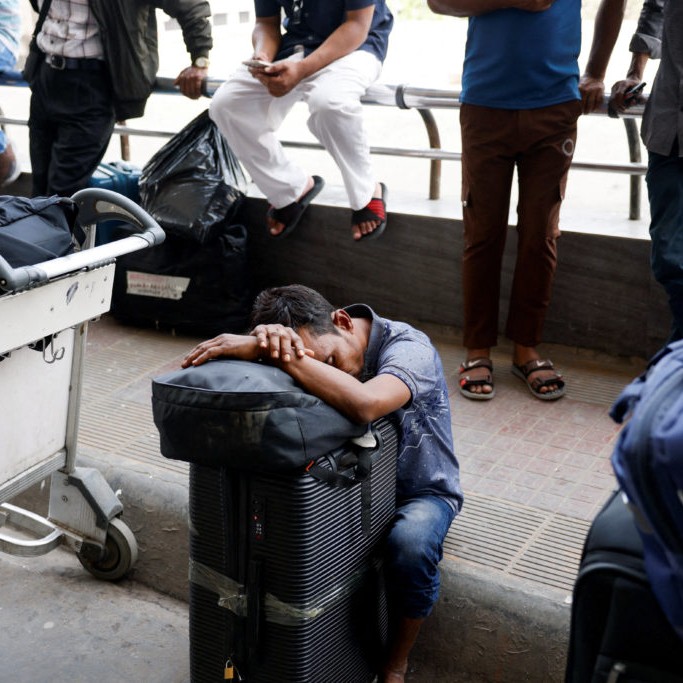
Dubai and Doha, two of the world’s busiest hubs, handle millions of connecting passengers every month. When their airspace is restricted, flights are cancelled, rerouted, or lengthened, affecting business travelers, migrant workers, and holidaymakers across several continents.
The situation also raises broader safety concerns. Civilian aircraft have been caught in conflict zones before, leading regulators and airlines to take a cautious approach whenever missiles or drones are being used. What happens next in Iran and the wider Middle East will shape how fast normal flight patterns and tourism can safely resume.
Key Facts & Quotes
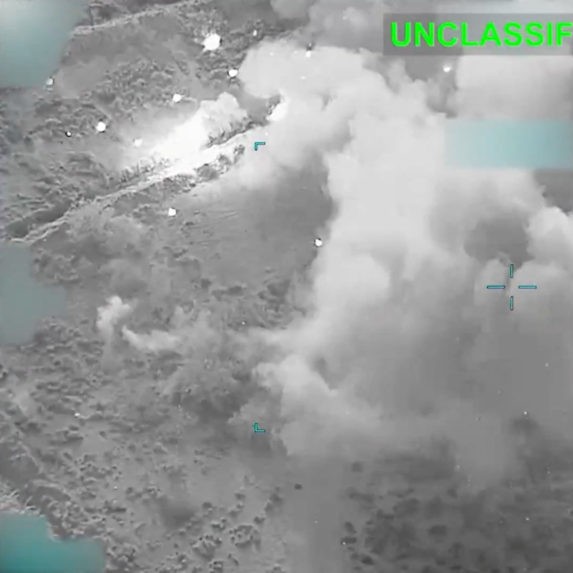
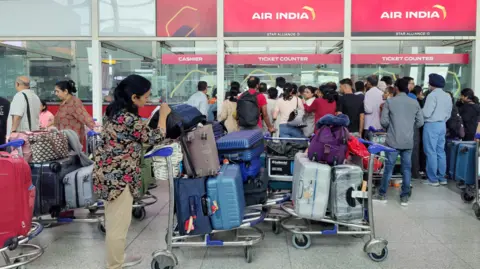
According to a BBC report, airlines began cancelling and diverting flights after the U.S. and Israel launched strikes against Iran, followed by Iranian retaliatory attacks on Gulf states. British Airways and Virgin Atlantic were among carriers grounding services, with flights in and out of Dubai International and Al Maktoum International airports suspended.
Emirates halted all operations in and out of Dubai until 15:00 local time on Sunday, while Etihad paused departures from Abu Dhabi until 14:00 local time, both citing widespread airspace closures. Qatar Airways temporarily suspended flights to and from Doha due to the closure of Qatari airspace, saying services would resume at 19:00 local time. The UK Foreign Office advised against travel to Israel and the Palestinian territories and against “all but essential travel” to Bahrain, Qatar, Kuwait and the United Arab Emirates, urging those already there to shelter.
Flights Cancelled as Middle East Airspace Closes Amid Escalating Conflict
Airlines continue to cancel and divert flights across the Middle East following the US-Israel attack on Iran and Tehran’s retaliatory strikes, as regional airspace disruptions intensify.
All flights… pic.twitter.com/jMI2EFeOc4
— MMI News (@MimiMefoInfo) March 1, 2026
One person was reported killed and 11 others injured at airports in Dubai and Abu Dhabi, including four staff members at Dubai International. London’s Heathrow Airport warned long-haul passengers that journeys could be disrupted for several days and urged travelers to check directly with their airlines for the latest updates, as reroutings and rolling cancellations continue.
What It Means for You
If you have upcoming flights that pass through Dubai, Abu Dhabi, Doha, or other Gulf hubs, expect possible delays, diversions, or cancellations even if your ticket is to a different region. Check your airline’s app or website frequently, keep contact details updated on your booking, and consider flexible or refundable options for near-term trips to or through the Middle East.
For those already in affected countries, follow guidance from local authorities and your embassy or consulate, and stay alert to changes in official travel advice. Travel insurance policies vary, so review how they handle cancellations linked to conflict.
As this global news story develops, do you think current travel advisories strike the right balance between caution and keeping people moving?
Sources: BBC reporting on Middle East flight disruption and UK travel advice, 1 March 2026; public guidance from the UK Foreign, Commonwealth & Development Office, as cited in that report.