TL;DR
Mexican troops fatally wounded Jalisco New Generation Cartel leader Nemesio Oseguera Cervantes, known as “El Mencho,” during a raid, unleashing violent reprisals, travel warnings, and flight suspensions across multiple Mexican states.
Why This Matters
The death of Nemesio Ruben Oseguera Cervantes, or “El Mencho,” removes the top figure of what U.S. and Mexican officials describe as one of the most powerful and aggressive drug cartels in the world. The Jalisco New Generation Cartel (CJNG) has been a major trafficker of fentanyl, methamphetamine, and cocaine into the United States, with a presence in all 50 states, according to U.S. authorities.
The operation underscores a more confrontational stance by Mexico’s armed forces under President Claudia Sheinbaum and highlights deepened security cooperation with Washington at a time when drug overdoses, especially from fentanyl, remain a central U.S. public health concern. It also raises the risk of short-term instability: cartel roadblocks, arson attacks, and riots followed the raid in several Mexican states, disrupting daily life, tourism, and transport.
Past “kingpin” takedowns have sometimes splintered cartels, creating smaller, violent groups. Officials in both countries will now watch whether CJNG fractures or consolidates under new leadership, with potential consequences for violence in Mexico and drug flows north of the border.
Key Facts & Quotes
Mexico’s Defense Department said Oseguera Cervantes, 59, was wounded on Sunday in an operation to capture him in Tapalpa, Jalisco, about two hours southwest of Guadalajara, and died while being flown to Mexico City. The state of Jalisco is CJNG’s base of operations and a key hub for drug trafficking to the United States.
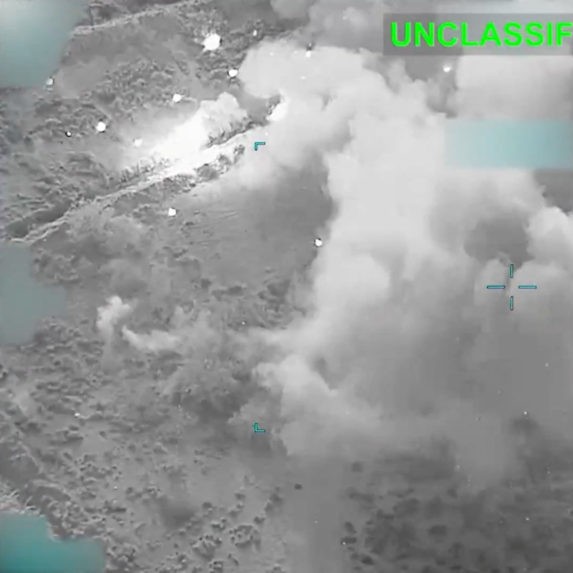
During the raid, troops came under fire, killing four people at the scene, according to the Defense Department. Three others, including Oseguera Cervantes, were wounded and later died. Two suspects were arrested, and security forces seized armored vehicles, rocket launchers, and other weapons. Three members of the armed forces were wounded and were receiving medical treatment.
A Jalisco state official, speaking anonymously, said one National Guard member was killed in Tapalpa, six others died in nearby Zapopan, a prison guard was killed during a riot in Puerto Vallarta, and a state prosecutor’s agent was killed in Guadalajara.
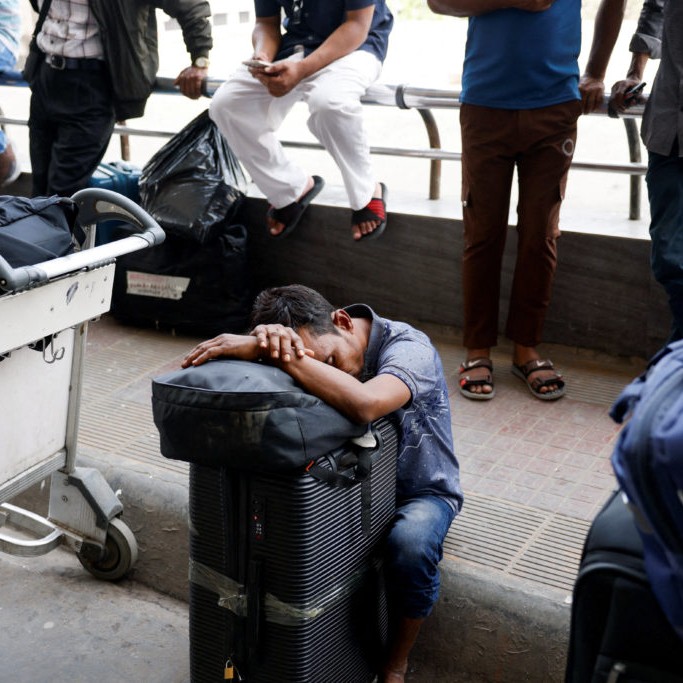
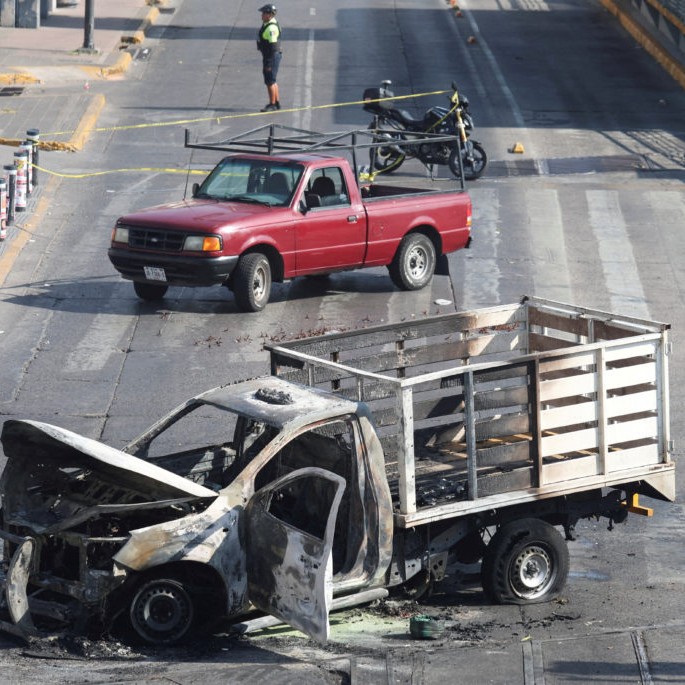
In the aftermath, cartel members set up burning vehicle roadblocks across Jalisco and other states. Videos on social media showed smoke over the tourist city of Puerto Vallarta and panic at Guadalajara’s airport. Air Canada suspended flights to Puerto Vallarta, citing the security situation, and urged customers not to travel to the airport.
🚨 #BREAKING: The Mexican Army has officially killed “El Mencho,” the ruthless leader of the CJNG cartel, utilizing US intelligence. 🇲🇽🇺🇸
Cartel members are already burning down cities and gas stations in retaliation.
Is this a massive victory for North American security, or… pic.twitter.com/VqD0o6YIWL
— CEO Watchlist (@CeoWatchlist) February 23, 2026
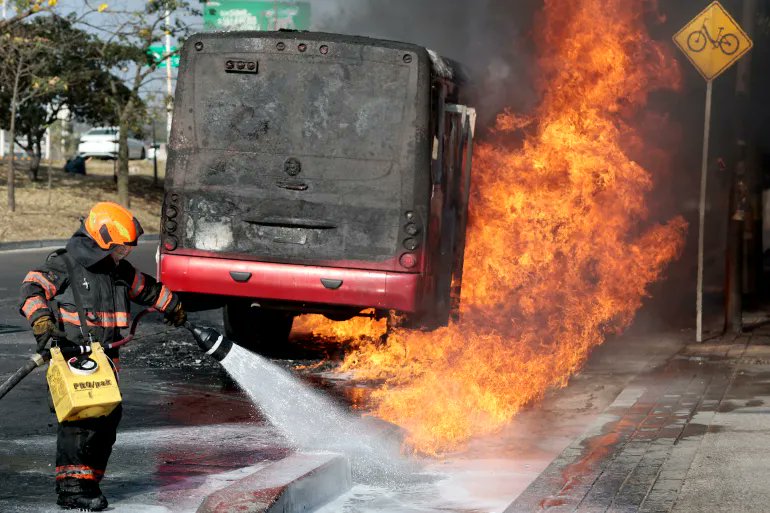
The U.S. State Department warned American citizens in Jalisco, Tamaulipas, Michoacan, Guerrero, and Nuevo Leon to shelter in place. Canada’s embassy in Mexico issued similar guidance for its nationals in Puerto Vallarta and advised a low profile in Jalisco. Jalisco Governor Pablo Lemus told residents to stay home and suspended public transportation.
The U.S. State Department had offered up to $15 million for information leading to El Mencho’s arrest. Earlier, the Trump administration designated CJNG a foreign terrorist organization. The U.S. Drug Enforcement Administration views CJNG as comparable in power to the Sinaloa cartel, another major trafficking group now weakened by internal disputes and the imprisonment of leading figures in the United States.
The U.S. Embassy in Mexico said on X that the raid was carried out by Mexican special forces “within the framework of bilateral cooperation,” with U.S. authorities providing intelligence support. David Mora, an analyst with the International Crisis Group in Mexico, said, “Ever since President (Claudia) Sheinbaum has been in power, the army has been way more confrontational, combative against criminal groups in Mexico. This is signaling to the U.S. that if we keep cooperating, sharing intelligence, Mexico can do it, we don’t need U.S. troops on Mexican soil.”
Oseguera Cervantes was born in Aguililla, Michoacan, and had been involved in drug trafficking since at least the 1990s. He was convicted of conspiracy to distribute heroin in a U.S. federal court in California in 1994 and served nearly three years. After returning to Mexico, he worked with drug lord Ignacio “Nacho” Coronel Villarreal and later co-founded CJNG around 2007 with Erik Valencia Salazar, known as “El 85.”
Since 2017, Oseguera Cervantes has been indicted several times in U.S. federal court in Washington, D.C. A 2022 superseding indictment charges him with conspiring to distribute methamphetamine, cocaine, and fentanyl for importation into the United States, using firearms in connection with drug trafficking, and directing a continuing criminal enterprise under the Drug Kingpin Enforcement Act.
What It Means for You
For U.S. and Canadian travelers, the latest update is a reminder to monitor official travel advisories when visiting parts of Mexico, especially Jalisco and nearby states. In the short term, visitors could face flight disruptions, road closures and heightened military and police presence in affected areas. Tourism hot spots like Puerto Vallarta and major cities such as Guadalajara may experience intermittent security lockdowns as authorities seek to restore order.
For U.S. residents, the operation targets the leadership of a cartel that has been a central player in fentanyl and methamphetamine trafficking, both linked to record overdose deaths. While one raid will not end the drug trade, it may shift trafficking routes, pricing, and the balance of power among criminal groups. Policymakers in Washington and Mexico City are likely to debate whether high-profile arrests and killings reduce long-term violence or risk more short-term instability for communities on both sides of the border.
Question for readers: How do you think governments should balance aggressive action against cartel leaders with the immediate risk of violent backlash for civilians living in affected areas?
Sources: Mexican Defense Department statements (Feb. 22, 2026); public posts from the U.S. Embassy in Mexico on X (Feb. 22, 2026); reporting by Fabiola Sanchez for the Associated Press, carried by PBS NewsHour (published Feb. 22, 2026).