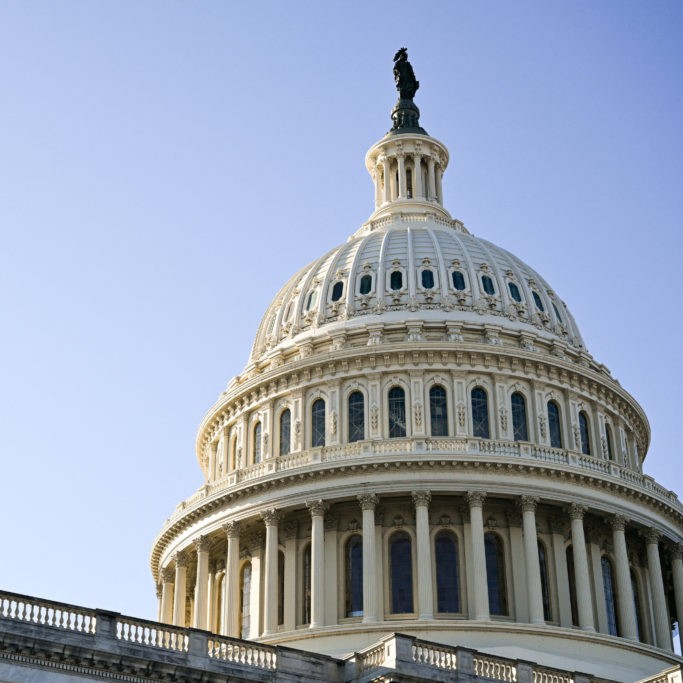
House Speaker Mike Johnson has denied a request for the late Rev. Jesse Jackson to lie in honor in the U.S. Capitol Rotunda, opting instead to follow what his office described as a longstanding precedent for the rare tribute.
Why This Matters
The decision touches on more than one man’s legacy. It highlights how the United States chooses to recognize its most influential figures, especially those whose work centered on civil rights and democracy rather than elected or military office.
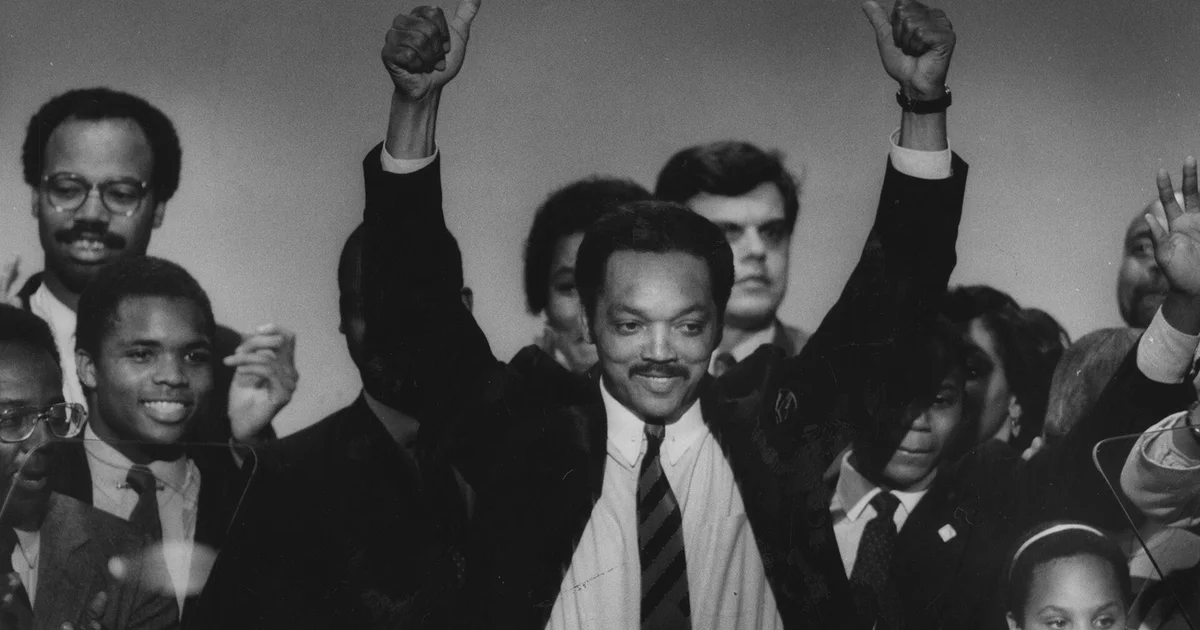
Jackson, who died this week at age 84, was a central figure in the civil rights movement, a two-time presidential candidate in the 1980s, and a longtime advocate for voting rights, economic justice, and human rights abroad. For many Americans who watched those struggles unfold over decades, the question of whether he should lie in honor at the Capitol goes to the heart of what the nation values.
The rare ceremonies in the Capitol Rotunda are closely watched moments of national reflection. Disputes over who is invited to lie in state (typically government or military officials) or in honor (for certain private citizens) have grown sharper in an era of intense political division. This latest decision is likely to fuel ongoing debate about how Congress uses symbolic gestures to tell the country’s story.
Key Facts & Quotes
Jackson’s family, joined by some members of the House of Representatives, requested that his remains lie in honor in the Capitol Rotunda, according to people familiar with the discussions. Johnson’s office declined, citing past practice that reserves the Rotunda mainly for select government and military leaders and noting that other high-profile figures have also been turned down.
There is no formal rule spelling out who qualifies for the honor. Access to the Rotunda for such ceremonies requires agreement from both the House and Senate. The Architect of the Capitol describes the space as being reserved for the nation’s “most eminent citizens,” with government and military officials traditionally lying in state and private citizens lying in honor.
Private citizens have occasionally received the distinction, including Rosa Parks in 2005 and evangelist Rev. Billy Graham in 2018. In 2020, Rep. John Lewis of Georgia, a civil rights icon and longtime lawmaker, became the first Black member of Congress to lie in state in the Rotunda. That same year, Supreme Court Justice Ruth Bader Ginsburg was honored in the Capitol’s Statuary Hall after leaders could not agree on using the Rotunda.
Jackson’s family said in a public statement that leaders in South Carolina, his home state, and Washington, D.C., have offered to host major memorial events. Final services are scheduled in Chicago on March 6 and 7, following commemorations in multiple cities.
Some civil rights leaders sharply criticized the Speaker’s decision. NAACP President Derrick Johnson said in a statement that the move “tells you everything you need to know about Mike Johnson and his gross disregard for our Constitution and our democracy.” Johnson’s office has emphasized adherence to precedent rather than offering a detailed public explanation.
I have learned that the request for Rev. Jesse L. Jackson, Sr. to lie in honor at the U.S. Capitol has been denied.
I respect tradition. But precedent should guide us, not limit us, especially when honoring a giant.
Rev. Jackson stood with Dr. King. He registered millions to… pic.twitter.com/k56dzzq0HJ
— Congressman Troy A. Carter (@RepTroyCarter) February 21, 2026
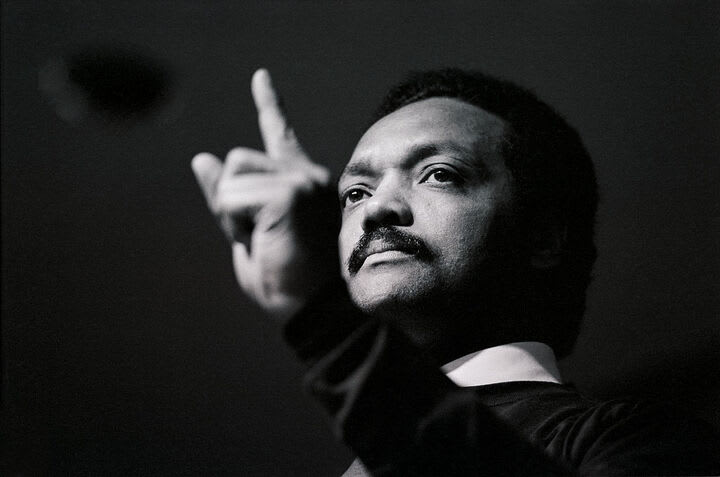
Jackson, a Baptist minister, founded the Rainbow PUSH Coalition, which became a national center for progressive organizing. He gained international recognition for his role in negotiating the release of American hostages overseas and for his outspoken opposition to apartheid in South Africa, linking U.S. civil rights efforts to global human rights movements.
What It Means for You
For many Americans, especially those who watched Jackson’s rise from the 1960s onward, this decision may feel personal. It raises broader questions about how the country honors civil rights leaders compared with presidents, generals, and justices, and who gets to make those choices.
In practical terms, the decision does not affect the ability of the public to pay respects. Jackson’s family is planning services in Chicago, Washington, D.C., and South Carolina, which are expected to draw large crowds and national attention. But the outcome may influence future debates in Congress over who is recognized in the Capitol and how the nation balances tradition with evolving views of American leadership.
As future figures from the civil rights, faith, and advocacy communities pass on, lawmakers will likely revisit these same questions. How do you think Congress should decide who is honored in the Capitol Rotunda?