TL;DR
The U.S. State Department is urging American citizens to “DEPART NOW” from more than a dozen Middle Eastern countries, including Iran, Iraq, Jordan, Lebanon, and Israel, as a fast-widening war involving Iran, Israel, and U.S. forces destabilizes much of the region.
Why This Matters
When Washington tells all U.S. citizens to leave an entire region, it signals that officials see a serious and fast-moving security threat. The latest update applies to more than a dozen countries across the Middle East, an area where hundreds of thousands of Americans live, work, serve in the military, or travel for business and tourism.
The conflict now centers on Iran but has spilled into neighboring states, where attacks and counterattacks risk drawing in multiple armed groups and governments. That raises the chances of sudden border closures, flight disruptions, and communication outages that could leave civilians stranded with little warning.
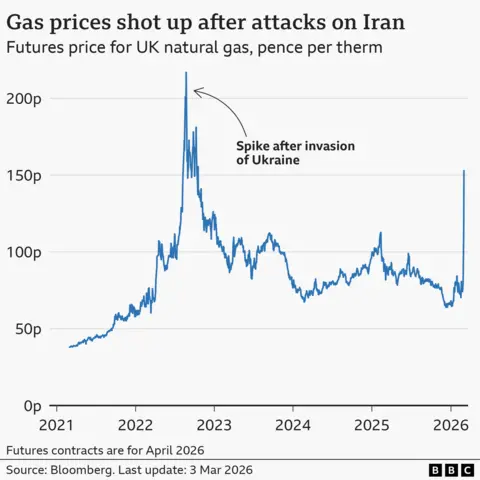
Beyond the direct danger to people on the ground, the fighting is hitting areas critical to global oil and natural gas production. Disruptions there can push up fuel prices, unsettle financial markets, and strain already fragile supply chains worldwide. With war aims still unclear, governments and families alike are preparing for a crisis that could last months rather than days.
Key Facts & Quotes
According to a public broadcasting report, the State Department’s warning followed a post on X by U.S. Assistant Secretary of State for Consular Affairs Mora Namdar. She told Americans in Iran, Iraq, Jordan, Lebanon, Israel, and other countries in the region to “DEPART NOW” using any available commercial transportation, warning that options could rapidly shrink.
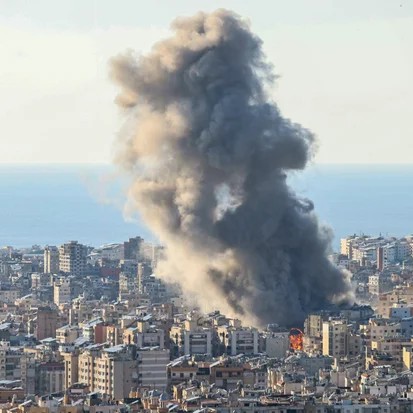
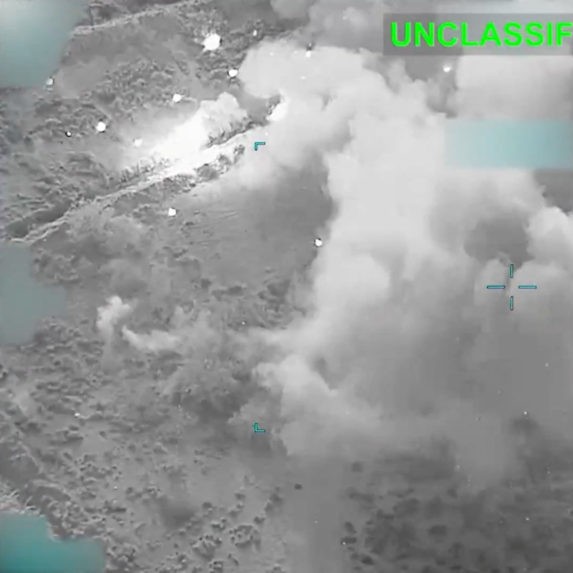
The guidance comes as several major airlines cancel flights to and from the region. The report said the latest war began when U.S. and Israeli forces attacked Iran on Saturday, killing Iran’s Supreme Leader Ayatollah Ali Khamenei. Since then, U.S. and Israeli forces have continued to strike targets across Iran, while Tehran and allied groups have launched attacks on Israel, nearby Gulf states, and facilities tied to global oil and gas production.
Iran’s Red Crescent relief agency said at least 555 people have been killed in Iran so far, with more than 130 cities hit in the U.S.-Israeli campaign. Authorities reported 11 people killed in Israel and 31 in Lebanon amid intensified fighting, including clashes between Hezbollah and Israeli forces. The U.S. military said two previously unaccounted-for service members were confirmed dead, bringing American military deaths in operations against Iran to six. Officials in Washington and Jerusalem have given differing explanations of their war objectives, leaving the endgame uncertain.
What It Means for You
For Americans living or traveling in the Middle East, this advisory is a signal to act quickly. Those in affected countries are being urged to monitor embassy alerts, confirm travel documents are current, and book commercial flights while they are still available. If conditions worsen and airlines further reduce service, departures could become far more difficult and expensive, and any government-assisted evacuations would likely be limited and unpredictable.
For people in the United States, the conflict may show up first at the gas pump and in financial markets, as energy supplies and shipping routes come under pressure. It could also shape U.S. political debate over military involvement and foreign policy in a volatile region.
What concerns or questions does this latest update raise for you about the region and the U.S. role in it?
Sources: Public broadcasting report drawing on official U.S. and regional statements, March 2, 2026; social media post by the U.S. Assistant Secretary of State for Consular Affairs, March 2, 2026; casualty figures cited from Iran’s Red Crescent relief agency, Israeli and Lebanese authorities, and U.S. military updates, March 2, 2026.