TL;DR
Voters in Texas, North Carolina, and Arkansas are casting primary ballots that will shape control of Congress in 2026 and reveal where both parties are heading.
Why This Matters
Three states are holding contests that could reshape the political map ahead of the 2026 midterms. Texas, long a Republican stronghold, has not elected a Democrat statewide since 1994. A turbulent Senate primary is testing whether that streak can finally be broken, and what kind of Republican message still wins in a fast-growing, increasingly urban and suburban state.
At the same time, Democrats are wrestling with their own divisions over how to win back voters they have lost across parts of the South and Southwest. The outcome of these primaries will influence what kind of candidates and messages the party backs nationally, especially with a large Latino electorate and younger voters playing an important role in Texas and North Carolina.
North Carolina remains a presidential and Senate battleground, while Arkansas is solidly Republican but still important for down-ballot contests and party direction. Together, these races offer an early look at the latest update on where the political center of gravity is moving before voters nationwide weigh in this November.
Here’s when we’ll expect to see results from Arkansas, North Carolina and Texas state primaries. https://t.co/7lSSA8lU5j pic.twitter.com/7MqAKvyi2R
— CNN (@CNN) March 3, 2026
Key Facts & Quotes
In Texas, four-term Republican Sen. John Cornyn, in office since 2002, faces a serious primary challenge from state Attorney General Ken Paxton and Rep. Wesley Hunt. Paxton, who was impeached by the Texas House and later acquitted by the state Senate in 2023, announced his bid in 2025, accusing Cornyn on social media of having “betrayed President Trump and the America First movement.” Hunt has argued Cornyn has stayed too long, posting in February 2026 that “24 years is long enough! Texans have moved on from career politicians like John Cornyn.”
If no Republican wins a majority, the top two advance to a late May runoff, raising the possibility that Cornyn could miss the final round. Cornyn has warned that putting Paxton at the top of the ticket would bring an “Election Day massacre” for Republicans statewide, saying the party could lose its long-held grip on statewide offices if “the wrong person is at the top of the ticket.” Donald Trump has so far not endorsed any of the major Republican contenders.
Democrats are staging a tense primary for the same seat between State Rep. James Talarico and U.S. Rep. Jasmine Crockett. Talarico, in a campaign video, has argued that “the biggest divide in our country is not left versus right, it’s top versus bottom.” Crockett has said their “path to victory is through reaching the people who’ve been ignored, bullied, or pushed out of the process” in Texas. Some Republican operatives have quietly welcomed Crockett’s candidacy, viewing her as potentially easier to defeat than Talarico in November.
Down-ballot in Texas, GOP Rep. Tony Gonzales faces a rematch from Brandon Herrera, a far-right challenger he narrowly beat in 2024, amid new scrutiny over misconduct allegations involving a staffer who later died by suicide. Rep. Dan Crenshaw is being challenged from the right by State Rep. Steve Toth; Toth is backed by conservative Sen. Ted Cruz, while Crenshaw lacks Trump’s endorsement. Redistricting has also scrambled Democratic races, pitting Rep. Al Green against Christian Menefee, shifting Rep. Julie Johnson into a fight with former Senate candidate Collin Allred, and drawing Tejano musician Bobby Pulido into a contest against Ada Cuellar in South Texas.
Elsewhere, North Carolina is preparing for a closely watched Senate race. Former Democratic Gov. Roy Cooper is widely viewed as the frontrunner in his primary, facing lesser-known challengers. On the Republican side, Michael Whatley left his post as party chairman to run for the seat and has Trump’s backing. In a safe Democratic House district around Durham, Rep. Valerie Foushee is being challenged by Nida Allam, in what could be an early test between established Democrats and younger progressives. Arkansas is also holding primaries, though without a marquee Senate race at stake this year.
What It Means for You
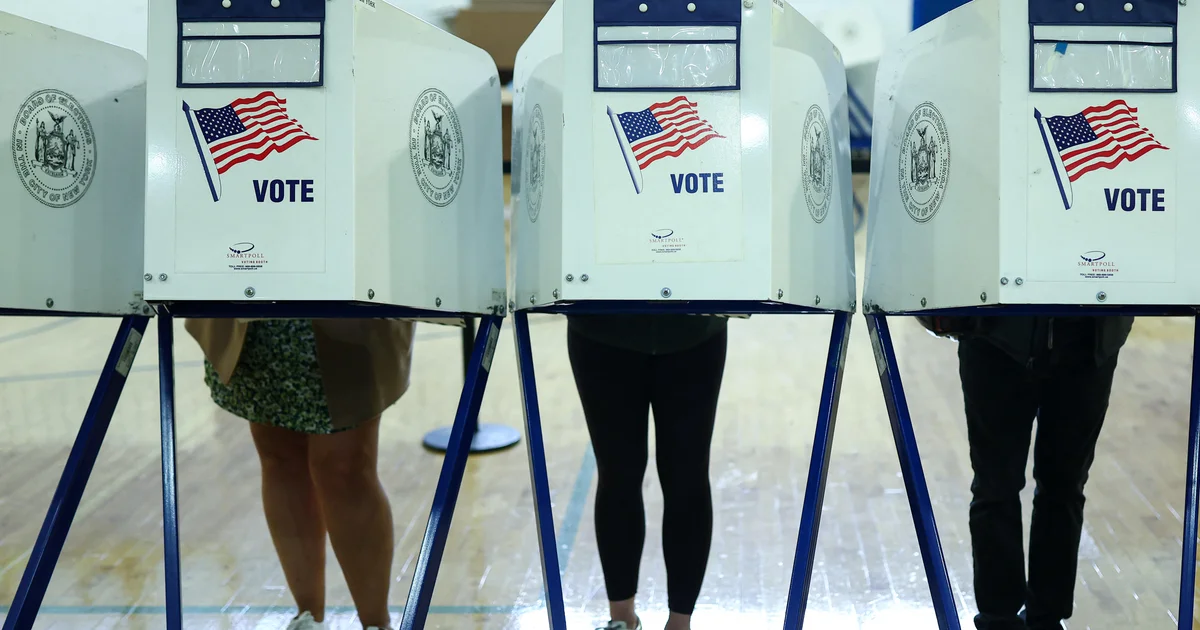
For voters in these states, today’s primaries will decide who appears on your ballot in November for critical positions in Congress and state offices. These officials will help shape policy on issues such as immigration, border security, health care, abortion access, and federal spending over the next several years. Turnout in low-profile primaries and runoffs often decides who ultimately governs, especially in safe districts where one party dominates.
For readers elsewhere, these contests are an early signal of what it means to be a Republican or a Democrat heading into 2026 and beyond. The balance between conservative and populist factions on the right, and between establishment and progressive wings on the left, will influence national debates and legislative priorities. Watching who wins in Texas and North Carolina can offer a preview of the country’s political direction before the next wave of national elections.
How closely do you follow primary races in states beyond your own?