TL;DR
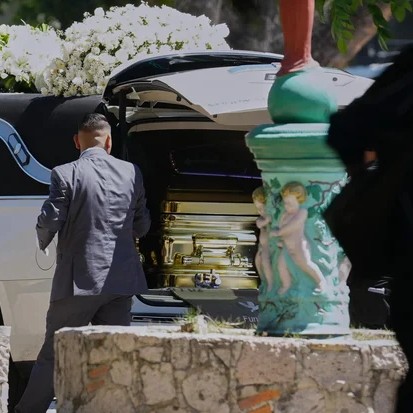
Cartel boss Nemesio “El Mencho” Oseguera is buried near Guadalajara in a golden casket under heavy security, as Mexico braces for more violence.
Why This Matters
Nemesio Oseguera Cervantes, known as “El Mencho,” was the alleged leader of the Jalisco New Generation Cartel, one of Mexico’s most powerful and violent criminal groups. His death in a Mexican army operation and high-profile burial mark a major moment in the country’s long fight against organized crime.
The cartel is accused by authorities of moving large quantities of cocaine, methamphetamine, and fentanyl, much of it headed for the United States. U.S. officials had offered a reward of up to $15 million for information leading to his capture, underscoring his importance in hemispheric drug trafficking networks.
The elaborate funeral, the intense security around it, and the immediate outbreak of violence in roughly 20 Mexican states highlight how deeply entrenched such groups remain. For U.S. readers following global news, the latest update is a reminder that shifts in cartel leadership can influence migration patterns, border security debates, and the flow of synthetic drugs linked to record overdose deaths.
Key Facts & Quotes
Oseguera was buried Monday in a gleaming golden casket at a cemetery in Zapopan, a suburb of Guadalajara, according to a federal official who spoke on condition of anonymity. Dozens of mourners followed a white hearse, many dressed in black and walking under umbrellas as a band played Mexican regional music.
Large wreaths of flowers, many sent anonymously, and some decorated with rooster designs referencing his nickname “Lord of the Roosters,” had been delivered to a guarded funeral home the day before. There were so many arrangements that five trucks were needed to move them to the cemetery, a local reporter told journalists.
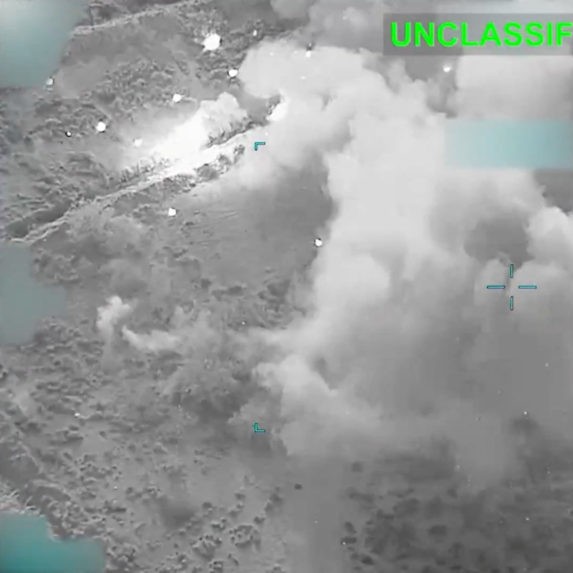
Mexican authorities say soldiers tracked one of Oseguera’s romantic partners to a hideout in Tapalpa, Jalisco, where troops exchanged gunfire with the cartel leader and two bodyguards in late February. Defense Secretary Ricardo Trevilla said the three men were badly wounded in the shootout and died while being taken to a hospital. A death certificate reviewed by reporters states Oseguera suffered bullet wounds to the chest, abdomen, and legs.
His body was then flown to Mexico City for an autopsy before being released to his family, the Attorney General’s Office said. Officials declined to publicly confirm the burial site, citing “security reasons,” after more than 70 people were killed in violence that followed the operation. Within hours of his death, new ballads known as narcocorridos circulated, adding to a long tradition of turning slain cartel figures into outlaw legends.
What It Means for You
For many readers in the United States, what happens inside Mexico’s cartels can feel distant yet still affect daily life. The group Oseguera allegedly led has been linked by U.S. and Mexican authorities to fentanyl and meth shipments that drive overdose crises in U.S. communities, from border towns to small Midwestern cities.
Security experts caution that the death of a top boss rarely ends violence; it can instead trigger power struggles or retaliation. Washington and Mexico City will be watching closely to see whether killings and blockades rise or fall in the coming weeks, and whether a new leader quickly emerges. For now, officials on both sides of the border are signaling that operations against remaining senior cartel figures will continue.
How do you think governments should balance high-profile security operations with the risk of violent backlash in nearby communities?
Sources: Information in this report is based on official statements from Mexico’s Attorney General’s Office and Defense Secretariat in late February 2026, a death certificate reviewed by journalists, and multiple contemporaneous press reports dated March 2-3, 2026