TL;DR
Trump officials cite missile threats, nuclear fears, Iran’s navy, and proxy militias as reasons for the new U.S. strikes, amid doubts over imminence.
Why This Matters
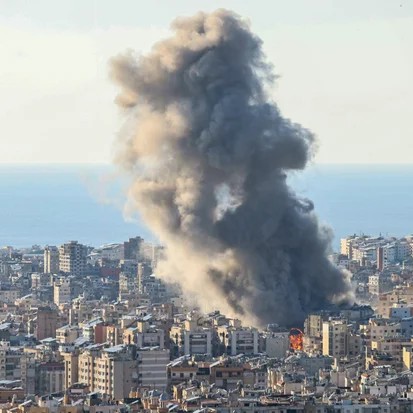
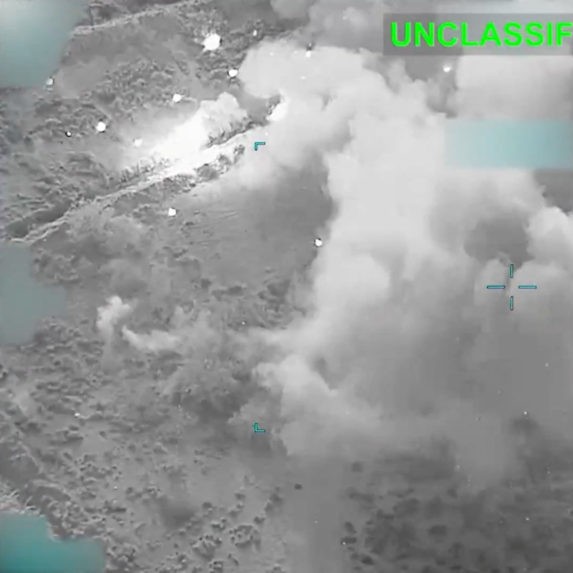
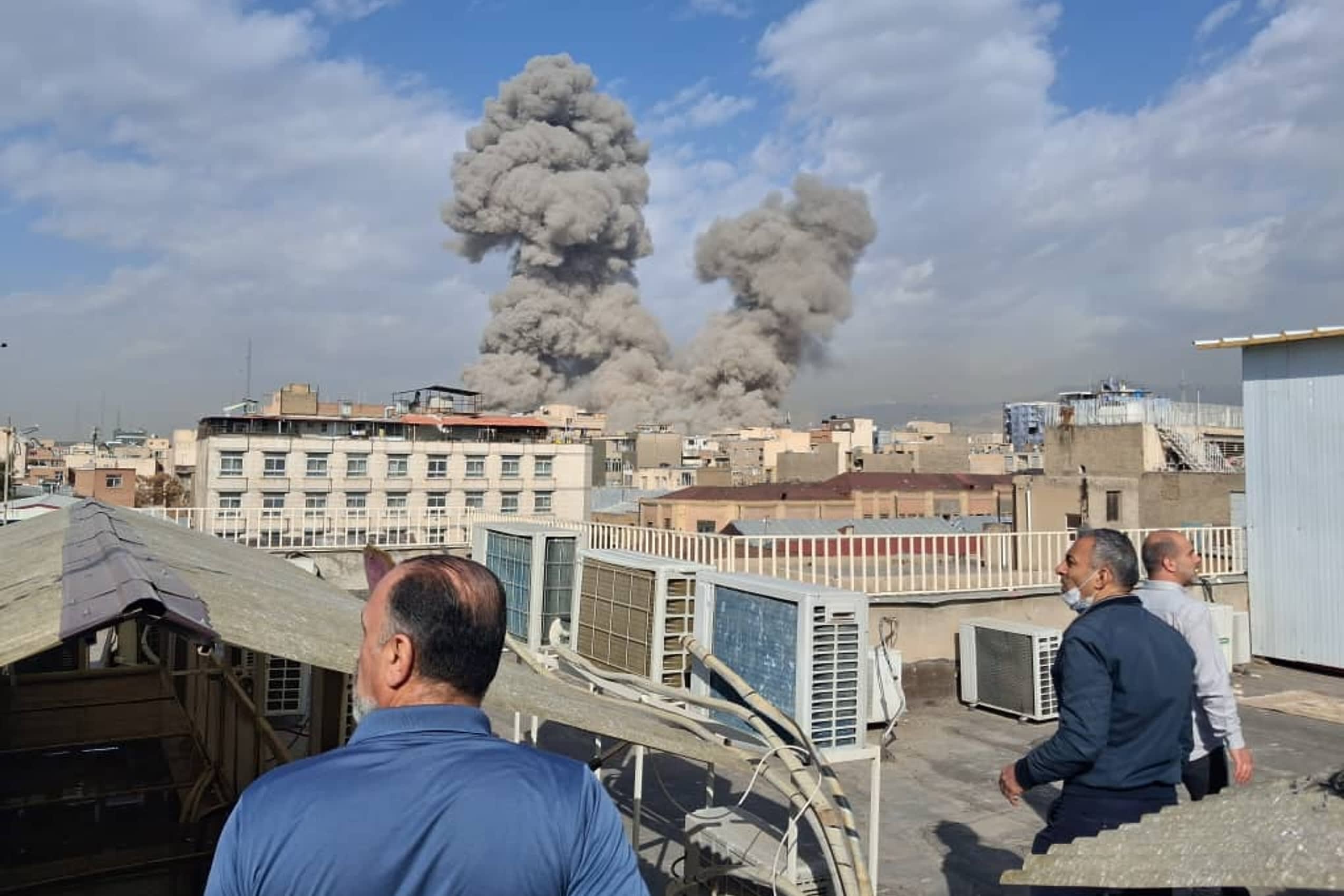
The United States has opened a major military campaign against Iran, hitting more than 1,000 targets and signaling what President Donald Trump says could be a weeks-long war. The administration has outlined four main goals: destroying Iran’s missile and naval capabilities, blocking its path to a nuclear weapon, and cutting support to allied militias across the Middle East.
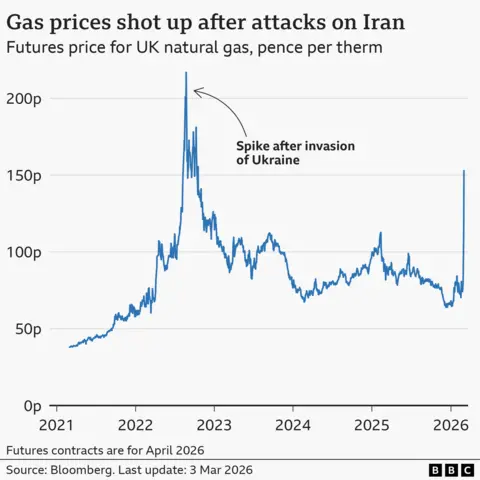
This conflict touches several long-running fault lines in global news: control of the Strait of Hormuz, the future of Iran’s nuclear program, and the security of U.S. forces and allies such as Israel. Oil flows through the strait underpin roughly a fifth of world crude and liquefied natural gas exports, so any disruption can quickly reach American wallets through higher gasoline and heating costs.
At the same time, U.S. leaders are divided over whether Iran posed an “imminent” threat that justified a preemptive strike. That dispute revives earlier debates over war powers, intelligence claims, and the risks of open-ended conflict in the Middle East. How this campaign unfolds could reshape regional security, nuclear nonproliferation efforts, and U.S. diplomacy for years ahead.
Key Facts & Quotes
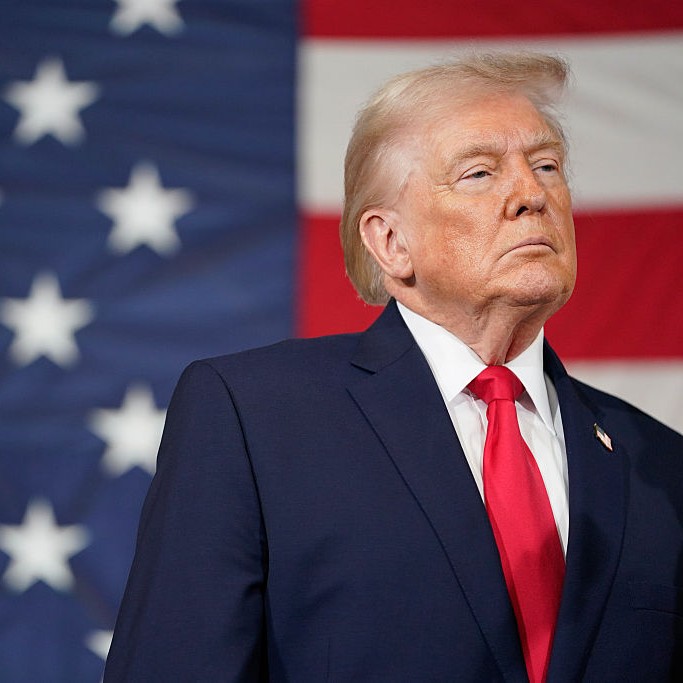
In his first extended public remarks since the strikes began Saturday, Mr. Trump said the operation aims to destroy Iran’s missiles and navy, prevent it from developing nuclear weapons, and stop the regime from arming and directing what he called “terrorist armies” abroad. A senior official said the campaign would continue until all four objectives are achieved, though timelines remain uncertain.
Mr. Trump framed the action as neutralizing “imminent threats from the Iranian regime,” arguing that Iran’s expanding missile arsenal endangered U.S. troops, European allies, and potentially the American homeland. Senior officials told reporters they had “indicators” Iran might use conventional missiles preemptively or alongside any U.S. move, saying the president “was not going to sit back and wait to get hit first.” Defense Secretary Pete Hegseth cited Iran’s “swelling arsenal of ballistic missiles and killer drones.”
Secretary of State Marco Rubio offered a different emphasis, saying the United States struck after Israel signaled plans to hit Iran, which he said could have triggered retaliatory attacks on American forces. Senator Mark Warner, the top Democrat on the Senate Intelligence Committee, countered that he saw no evidence Iran was on the verge of a preemptive strike on the United States, calling it “still a war of choice” shaped by Israel’s goals and timelines.
Rubio’s claim just now that the US attack on Iran was motived by ‘pre-emptive self defence’ is at least the third different rationale offered by the Trump administration for this war in three days – and none of them make it legal pic.twitter.com/9vzrEP16C8
— Nicholas Guyatt (@NicholasGuyatt) March 2, 2026
On the nuclear file, Mr. Trump recently vowed in his State of the Union address never to allow Iran to obtain a nuclear weapon, insisting diplomacy must end Tehran’s uranium enrichment. An Omani mediator said a deal was within reach hours before the strikes, and a 2025 Defense Intelligence Agency assessment judged Iran was almost certainly not producing nuclear weapons, though it had improved its ability to do so. Meanwhile, U.S. Central Command says U.S. strikes have destroyed Iran’s small navy in the Gulf of Oman, halting most tanker traffic through the Strait of Hormuz. Iran’s Revolutionary Guard has threatened to “set on fire any ship” that tries to pass, even as analysts note that closing the strait is harder without a functioning navy.
What It Means for You
For many Americans, the most immediate impact may be economic. With oil tanker traffic through the Strait of Hormuz largely frozen, crude prices have already spiked, and that can feed into higher gasoline, diesel, and jet fuel costs. Those shifts affect everyday expenses, from commuting and air travel to the price of shipped goods and groceries.
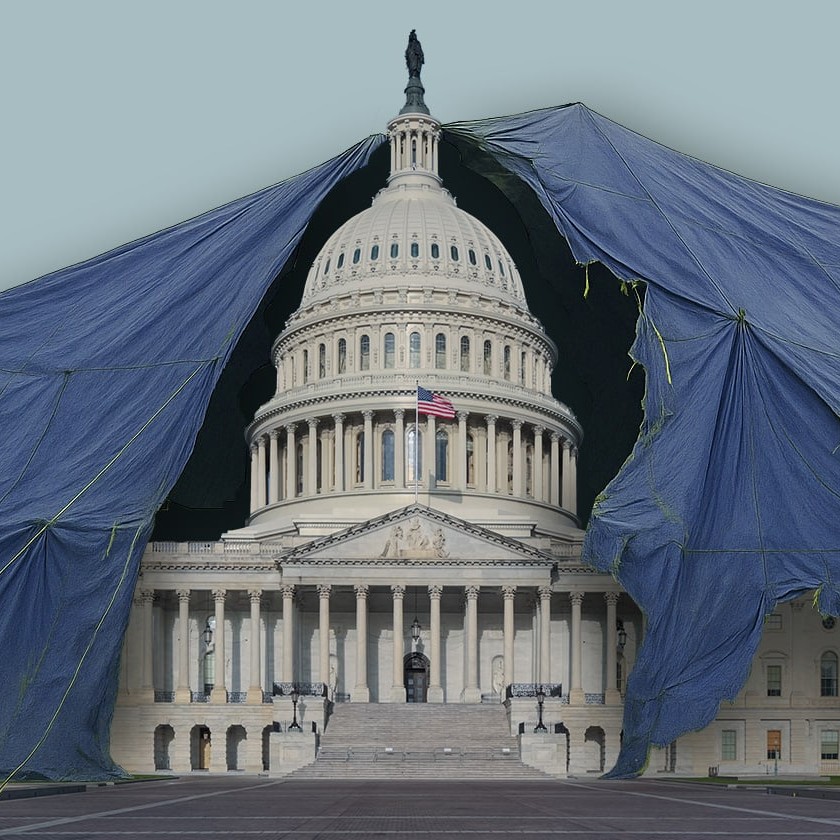
There are also security and political implications. Families with service members in the Middle East face increased risk as U.S. bases, ships, and embassies brace for possible retaliation by Iran or its allied groups. At home, this latest update in U.S.-Iran relations is likely to intensify debates in Congress over war powers, defense spending, and America’s role in the region.
In the weeks ahead, key signals to watch include whether the strait reopens to commercial shipping, how quickly – if at all – Washington’s four stated objectives are met, and whether nuclear talks revive or collapse entirely. These outcomes will help determine how long higher energy costs and heightened tensions may last.
Sources: Public statements by U.S. officials, congressional briefings, U.S. defense and intelligence assessments, and terrorism designations and reports through March 2, 2026.