TL;DR
The Supreme Court temporarily blocked a California law that limited when schools can tell religious parents their child identifies as transgender, keeping parental-notification policies in place while legal challenges continue.
Why This Matters
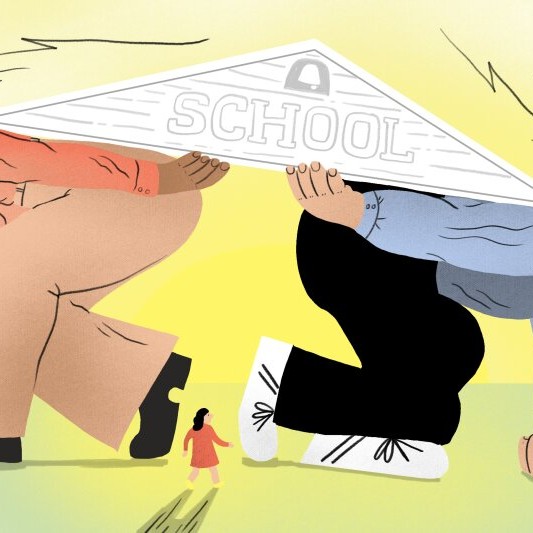
Monday’s emergency Supreme Court order intensifies a national battle over who controls information about a child’s gender identity at school. At stake are two core principles that often collide in modern education: parents’ rights to direct their children’s upbringing and students’ rights to privacy and safety, especially for LGBTQ+ youth.
California lawmakers had moved to curb automatic parental notification when a student changes pronouns or gender expression at school, arguing that some young people risk rejection, abuse, or homelessness if outed at home. Religious parents and allied legal groups countered that districts were effectively instructing teachers to lie or withhold critical information about their own children.
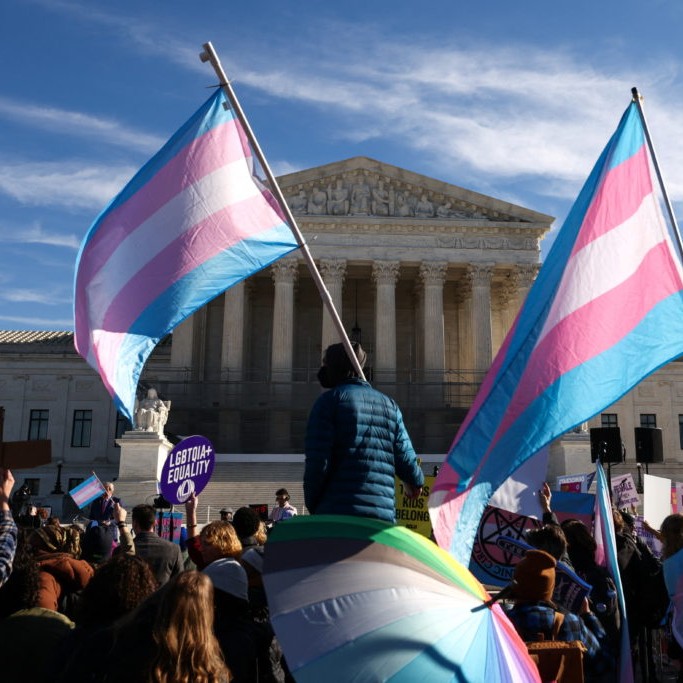
The Supreme Court’s decision to intervene before lower courts finish their work signals how central these cultural and legal questions have become. It also adds a new chapter to a series of rulings on transgender youth, school policies, and religious freedom that are shaping classrooms well beyond California’s borders.
Key Facts & Quotes
In an unsigned order issued Monday, the Court granted an emergency appeal from a conservative legal group representing two sets of Catholic parents. Those parents argue that California’s restrictions on parental notification and related school district policies violate their constitutional right to freely exercise their religion by forcing schools to keep them in the dark about a child’s gender identity.
The majority reinstated a lower-court order blocking the state law and policies while litigation continues. “The parents who assert a free exercise claim have sincere religious beliefs about sex and gender, and they feel a religious obligation to raise their children in accordance with those beliefs. California’s policies violate those beliefs,” the order stated, according to court documents.
The Court’s three liberal justices dissented publicly. Justice Elena Kagan wrote that “this Court owes it to a sovereign State to avoid throwing over its policies in a slapdash way,” arguing there was no urgent need to step in before lower courts ruled. Conservative Justices Samuel Alito and Clarence Thomas wrote separately that they also would have granted a similar request from teachers seeking relief from the same rules. The parents’ legal team hailed the order as the most significant parental-rights ruling in years.
The Supreme Court cleared the way Monday for California schools to tell parents if their children identify as transgender without getting the student’s approval, granting an emergency appeal from a conservative legal group.
READ MORE: https://t.co/95lSfFfeUS pic.twitter.com/utBAQZdAsq
— WGN TV News (@WGNNews) March 3, 2026
What It Means for You
For families, educators, and students, the ruling does not settle the issue but changes the ground rules in the meantime. California districts may now inform religious parents if a child identifies as transgender at school without first getting the student’s consent, at least while the case moves forward.
Residents in other states should watch this closely. The Court has recently upheld state bans on gender-identity-related medical care for minors and allowed broader opt-outs from LGBTQ-themed lessons, suggesting a wider shift on youth and gender issues. Similar lawsuits are pending in states including Massachusetts and Florida, and future decisions could shape how every public school in the country handles gender identity, privacy, and parental involvement.
Sources: U.S. Supreme Court emergency order in a California education case, March 2, 2026; national wire service and public-broadcast political reporting dated March 2, 2026.