TL;DR
On day four of the U.S.-Israel war with Iran, missile strikes, growing casualties, and attacks on Gulf allies raise fears of a wider regional conflict.
Why This Matters
The fighting described by CBS News now stretches from Israel to Iran and across the Persian Gulf, touching key U.S. partners and vital shipping lanes. A conflict that began with strikes on Iran is quickly becoming a test of how far Washington and its allies are willing to go to contain Tehran’s military reach.
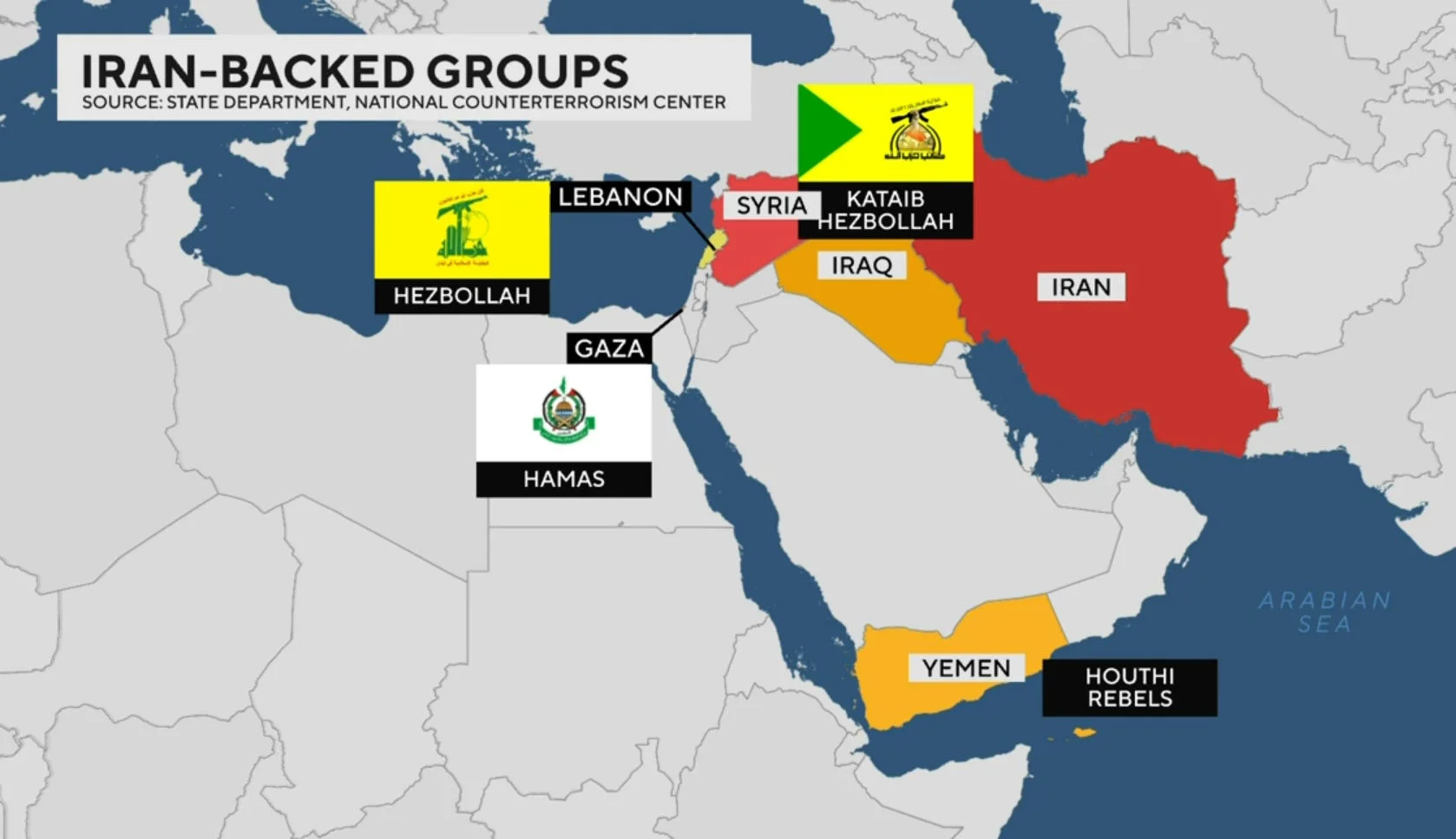
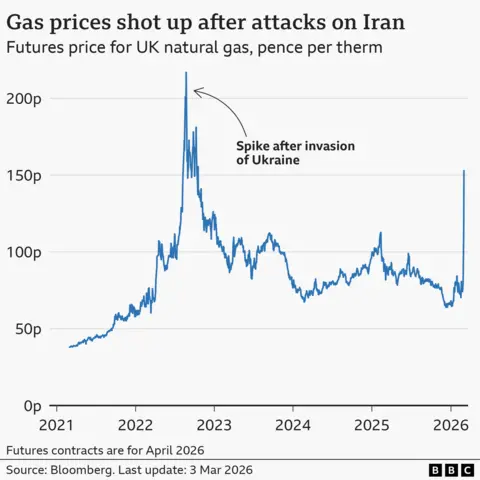
Attacks on energy facilities, embassies, and commercial ships can spread far beyond the battlefield. Disruptions in the Gulf, where much of the world’s oil and gas moves, risk pushing up energy prices and unsettling global markets and household budgets.
At the same time, President Donald Trump’s comments about a potentially longer war and the possibility of U.S. ground troops point to a deeper American commitment. That affects forces based in the region, military families at home, and debates in Washington over how to deter Iran without triggering a broader Middle East war.
Key Facts & Quotes
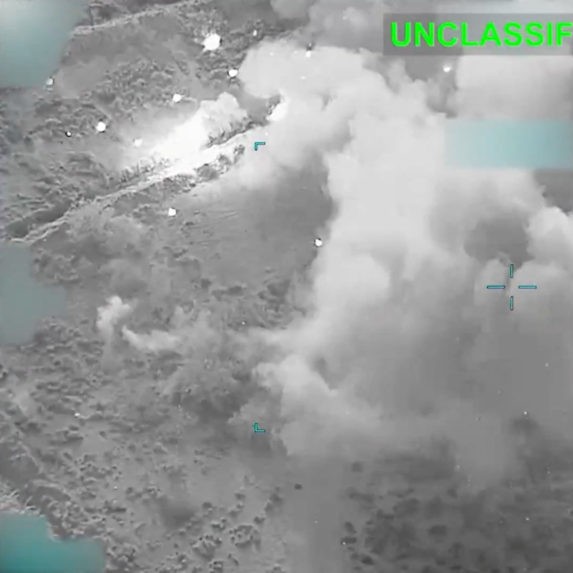
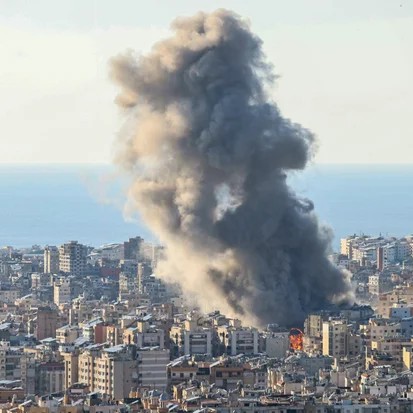
According to CBS News live updates, U.S. and Israeli forces spent the war’s fourth day striking targets tied to Iran’s leadership and military. Iran answered with missile and drone attacks on Israel, U.S.-aligned Gulf states, and energy and commercial shipping across the region.
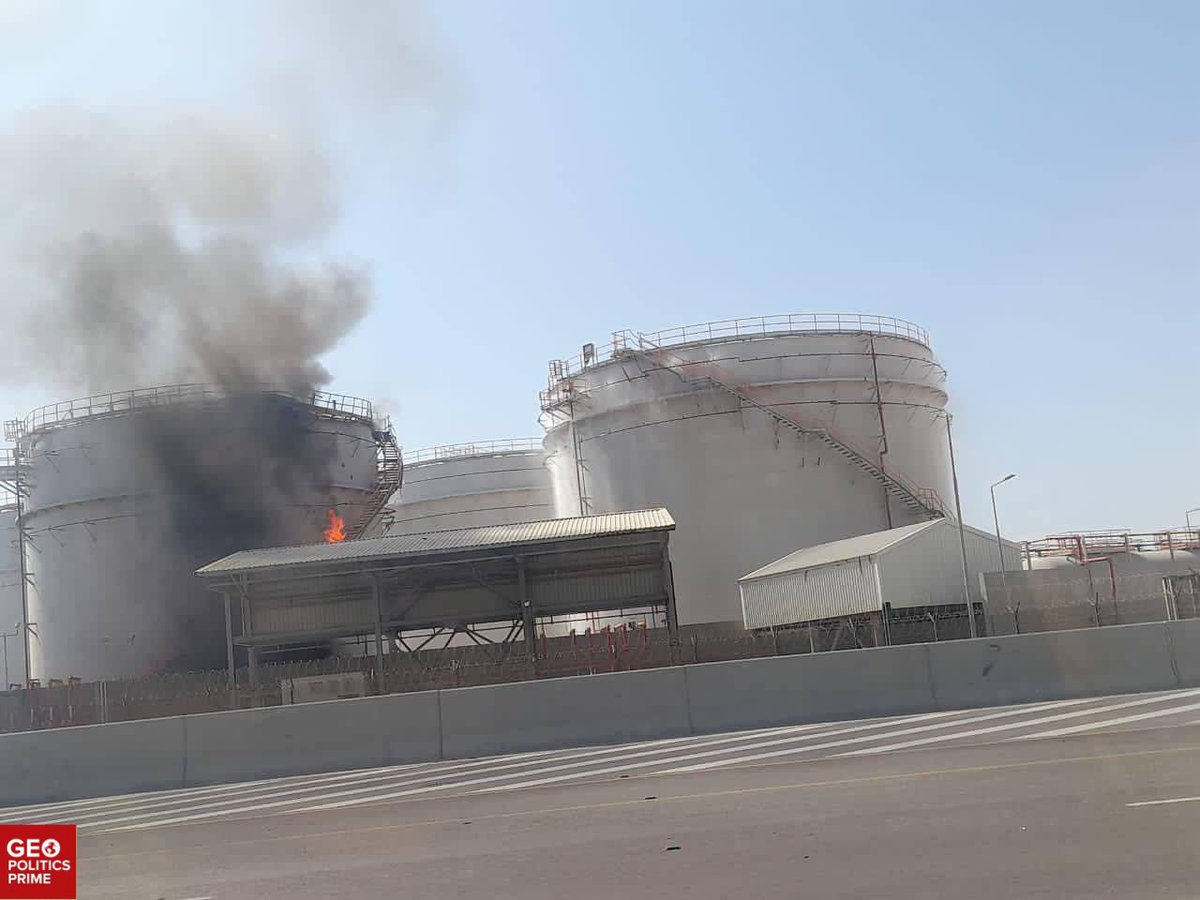
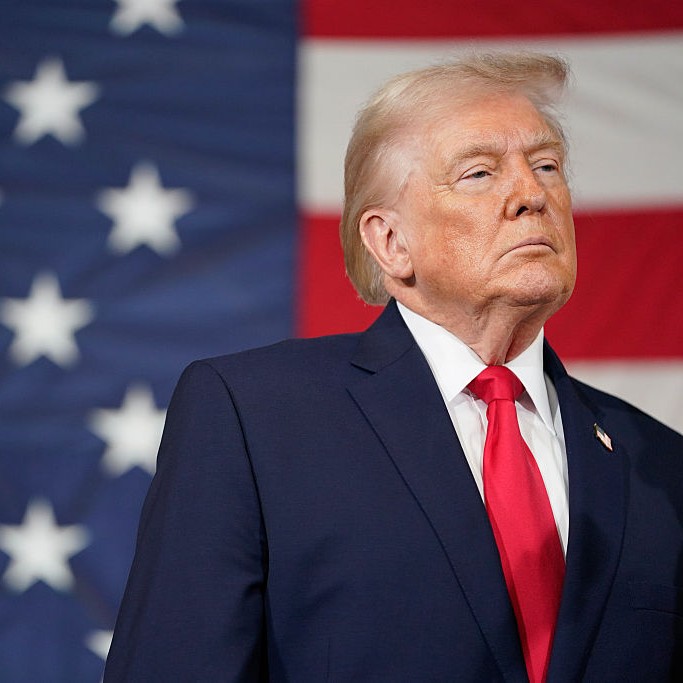
On Monday, Trump defended the campaign as the “last best chance” to address Iran’s ballistic missiles and nuclear program, CBS reported, citing his interview with the New York Post. He said the conflict could last longer than the four to five weeks he had first forecast.
So far, six U.S. troops have been killed by Iranian fire in Kuwait, and 18 others seriously wounded, according to U.S. officials quoted by CBS. The Iranian Red Crescent reported at least 787 people killed inside Iran, while other local reports suggest the toll is already far higher.
Saudi Arabia’s Defense Ministry said the U.S. Embassy in Riyadh suffered “minor material damage” after being hit by two Iranian drones. Qatar’s air force shot down two Iranian bombers for the first time, highlighting what CBS described as a rising risk that more states are drawn in.
Drones strike US Embassy in Riyadh as Iran shuts Strait of Hormuz, escalating regional war and rattling global markets.#khemenei#Iran #TelAviv #عاجل_الان #Israel #خامنئي #Dubai pic.twitter.com/FuQt5QAYm2
— ÁÝŐŐĹÀ⚽️ (@1DRice) March 3, 2026
What It Means for You
For many Americans, the most visible impact of this latest update in the war may be economic. A sustained threat to Gulf energy exports could mean higher gasoline and heating bills, along with more volatility in retirement and investment accounts tied to global markets.
Families with service members face added uncertainty as Washington weighs its options. Trump has said he will not rule out sending American ground troops, raising the stakes for those already deployed in the Middle East and those who could be called up if the conflict expands.
Travelers and businesses with links to the region should watch government advisories, air routes, and shipping schedules, which could shift quickly. More broadly, readers may want to follow casualty figures, regional diplomacy, and any sign of talks that might steer this top story toward de-escalation.
How do you think the United States should balance responding to security threats with avoiding a wider regional war in situations like this?