TL;DR
Iran’s supreme leader, Ayatollah Ali Khamenei, was killed in reported joint U.S.-Israeli strikes. Interim leaders have been named, and missile attacks are now moving across the Middle East, with dozens dead and no U.S. casualties reported so far.
Why This Matters
The reported killing of Ayatollah Ali Khamenei, Iran’s supreme leader since 1989, marks one of the most significant power shocks in the Middle East in decades. His death in coordinated U.S.-Israeli strikes, according to Iranian and regional reports, instantly raised the risk of wider war involving multiple countries and non-state armed groups.
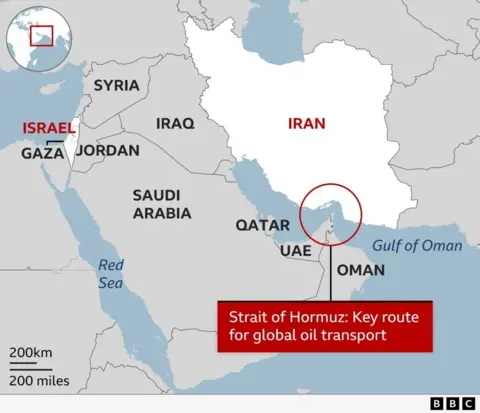
Iran has sat at the center of many regional flashpoints, from Lebanon and Syria to Iraq and Yemen. A sudden leadership vacuum in Tehran, combined with ongoing missile exchanges, could unsettle already fragile states, disrupt global energy routes and force new security calculations from Washington to European capitals and Asian oil importers.
At home, Iranians are responding in sharply different ways. According to local accounts, some citizens have celebrated the fall of a government they viewed as repressive, while others are protesting the foreign strikes. That split underscores how domestic unrest and external conflict may now feed each other, with consequences that extend far beyond Iran’s borders.
Key Facts & Quotes
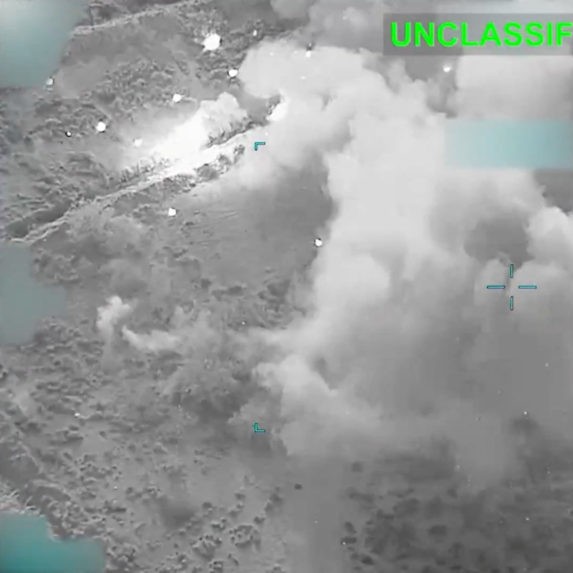
According to Iranian state media and U.S. officials cited in Sunday reports, Khamenei and about 40 other senior figures in Iran’s ruling system were killed in joint U.S.-Israeli attacks that began Saturday. Those strikes triggered a new phase of open conflict between Iran and the United States and Israel, after years of shadow warfare and proxy clashes.
🇮🇷 JUST IN: Iran Declares 40 Days of Mourning After Khamenei’s Death, Vows “Unprecedented Retaliation” Against US-Israeli Strikes
Following the death of Supreme Leader Ayatollah Ali Khamenei at age 86, confirmed after joint US-Israeli airstrikes on February 28, 2026, Iran has… https://t.co/vV6Fon1Lsu pic.twitter.com/CLWaoTAZjw
— BSN (@Barristerstreet) March 1, 2026
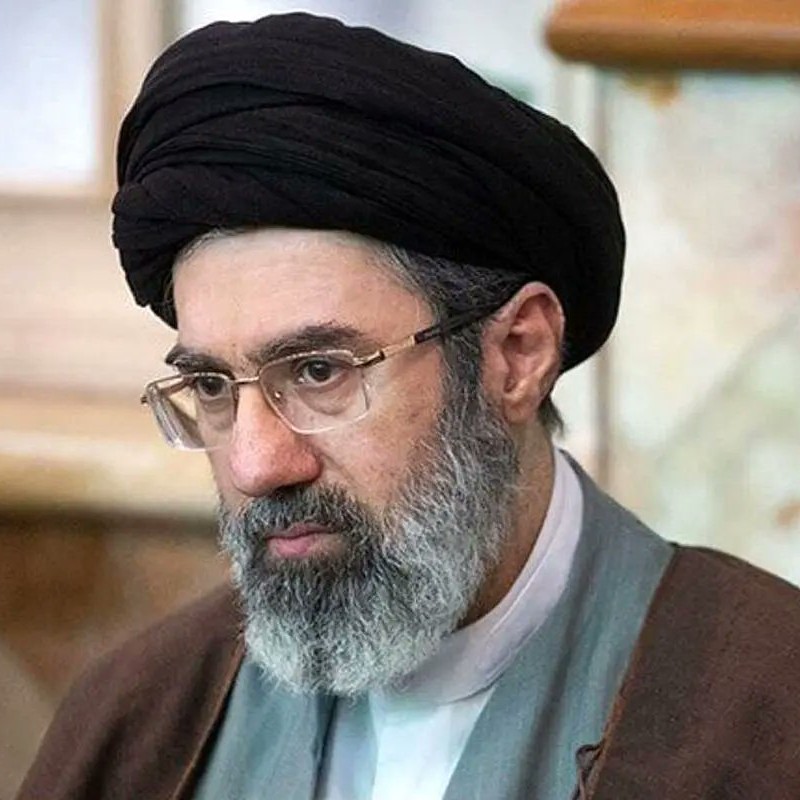
The remaining leadership in Tehran announced an interim structure that includes President Masoud Pezeshkian, a reformist politician who took office in 2024. While formal succession plans for the supreme leader role remain unclear, the move signals an attempt to project stability as funerals proceed and security forces work to contain protests and celebrations in several cities.
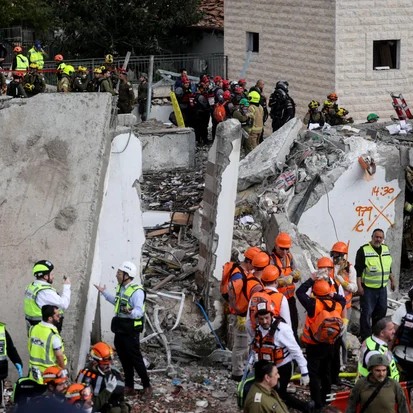
Military exchanges have widened. U.S. and Israeli strikes on Iranian targets continued into Sunday, while Iran launched missiles toward U.S. bases across the Middle East, according to official statements. Iranian outlets reported at least 200 people killed inside Iran. Retaliatory attacks were blamed for at least one death in Israel and one in Abu Dhabi, with dozens more wounded. In Washington, Senator Tom Cotton said former President Donald Trump has “no plan for any kind of large-scale ground force” in Iran, indicating the current U.S. strategy relies on airpower and regional partners rather than invasion.
What It Means for You
For Americans, this latest update in global news could shape everything from gas prices to the election-year debate over U.S. military power. Any sustained conflict involving Iran, a major oil producer situated near key shipping lanes, tends to raise concerns in energy markets and can filter down to the cost of fuel and goods at home.
It also raises fresh questions about how far the United States should go in confronting adversaries abroad and how to protect U.S. forces scattered across the region. In the coming days, watch for signals of further escalation, diplomatic efforts to contain the fighting, and economic impacts.
As you follow this top story, how do you think the U.S. should balance deterrence, diplomacy, and the risk of a wider war in the Middle East?