TL;DR
President Trump’s 2026 State of the Union mixed upbeat economic claims, sharp partisan attacks, and hints of conflict abroad in a record-long address.
Why This Matters
The State of the Union is the president’s most-watched annual speech, used to frame the nation’s challenges and set priorities. This year’s address offered sharply different pictures of where the United States stands. President Donald Trump described a “roaring” economy and renewed American strength, even as many Americans report feeling squeezed by prices and anxious about the future.
The speech also came less than a year before pivotal congressional elections, giving it clear political stakes. Trump attacked his opponents, questioned the integrity of U.S. elections, and doubled down on his hard line on immigration. At the same time, he signaled a willingness to use U.S. military power against Iran, even as he said he prefers diplomacy.
For viewers in the United States and abroad, the address offered a window into how the administration sees the economy, democracy, and global security. It also highlighted tensions between Trump’s message and public opinion, including polling that shows concern about the economy and deep divisions over immigration and trust in institutions.
Key Facts & Quotes
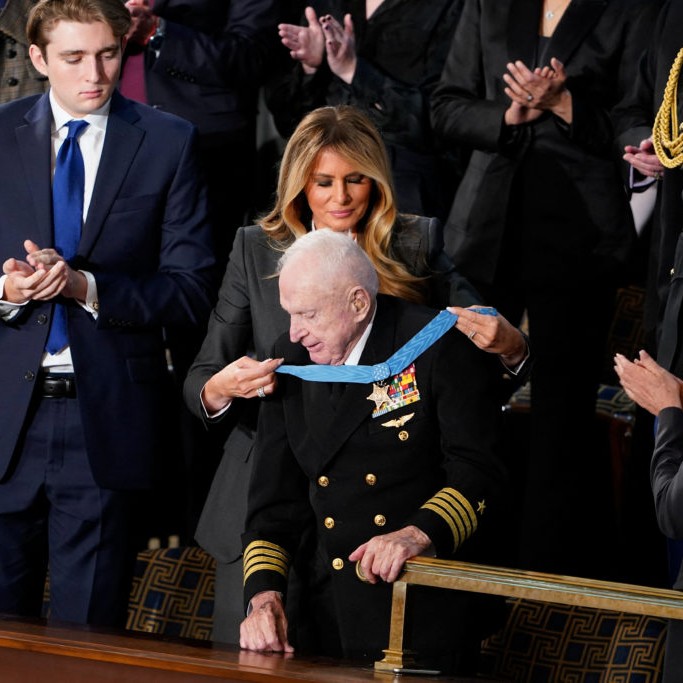
Trump opened with the economy, declaring, “The roaring economy is roaring like never before,” and pointing to lower gasoline prices, mortgage rates, and prescription drug costs alongside a rising stock market. He said “millions and millions of Americans are all gaining,” even though recent national polling by the nonpartisan AP-NORC Center found only about 39% of adults approve of his handling of the economy. He also wrapped the event in patriotic imagery, honoring the gold medal-winning U.S. men’s Olympic hockey team and decorated war heroes, and joked about wishing he could award himself a congressional medal.
The tone shifted as he blamed Democrats for high health insurance premiums, strain on Social Security, and broader affordability problems, telling lawmakers, “You caused that problem.” At one point, he said of Democrats, “These people are crazy… Democrats are destroying this country.” In response to the Supreme Court’s recent decision striking down his tariff policy, he softened his earlier criticism and called the ruling “unfortunate.” He again insisted tariffs were paid by foreign countries and could one day replace much of the income tax system, even though current law gives Congress, not the president, the power to set federal taxes.
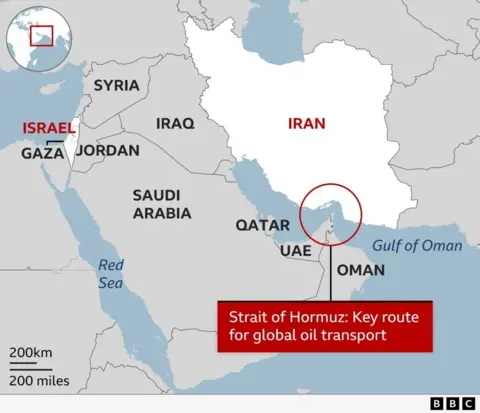
On elections, Trump said, “Cheating is rampant in our elections,” and claimed opponents “have cheated,” despite multiple court rulings and official reviews finding no evidence of widespread voter fraud in recent national contests. He urged Congress to require photo ID to vote and has floated an executive order, details of which remain unclear. He repeated tough language on “criminal aliens” but did not mention the recent deaths of two U.S. citizens during a federal enforcement operation in Minneapolis, which has fueled debate over immigration tactics. Turning overseas, he said Iran and its proxies have “spread nothing but terrorism, death and hate,” claimed Iranian leaders killed at least 32,000 protesters, and warned of missiles that could reach Europe and soon the U.S. “My preference is to solve this problem through diplomacy,” he said, but vowed never to allow Iran to obtain a nuclear weapon. The address lasted just under 1 hour and 48 minutes, making it the longest State of the Union on record.
🔊 There were gold medalists, military heroes and a record long speech. @BoKnowsNews takes a close look at Donald Trump’s State of the Union address on Reuters World News https://t.co/zv6gk9zS72 pic.twitter.com/JDOkhkcOug
— Reuters (@Reuters) February 25, 2026
What It Means for You
For many Americans, especially those in midlife and older, the speech touched directly on day-to-day concerns: the cost of living, health care, retirement security, and the safety of local communities. Claims about tariffs and a “roaring” economy could affect expectations for interest rates, markets, and jobs, while disputes over immigration enforcement and policing shape how safe people feel where they live.
Trump’s comments on election “cheating” may influence how some voters view the legitimacy of the upcoming midterms, even as courts and election officials say the system remains secure. Any new voting rules, executive actions, or military moves against Iran could have practical consequences, from how easy it is to cast a ballot to the risk of higher energy prices or new deployments for U.S. service members. As you think about what it means, how do you separate partisan rhetoric from concrete policies that will actually affect your family’s finances, rights, and security?