TL;DR
Arctic weather chills U.S. New Year, as Trump pulls back Guard troops, vetoes two bills and Jan. 6 scrutiny resurfaces in transcripts.
Why This Matters
Harsh winter weather and fast-moving politics are converging as Americans mark the start of 2026. According to a report from PBS NewsHour on Dec. 31, 2025, millions are preparing to celebrate the new year in subfreezing temperatures and heavy snow, while New Year’s gatherings from New York to California face safety and travel concerns.
At the same time, President Donald Trump, now back in office, is reshaping federal involvement in domestic security and infrastructure. His decision to remove National Guard troops from several major cities underscores ongoing disputes between the White House, local officials and the courts over how far federal power should reach into local policing and protest response.
The report also highlights Trump’s first vetoes of his current term, both targeting measures that had broad bipartisan support in Congress. That move, along with newly released transcripts of former special counsel Jack Smith’s testimony about the January 6 Capitol attack, signals that long-running political and legal battles over Trump’s conduct continue to influence U.S. governance.
Globally, New Year’s celebrations in places like Sydney and Hong Kong are being held in the shadow of recent mass tragedies, illustrating how public rituals of joy are increasingly intertwined with mourning and risk management.
Key Facts & Quotes
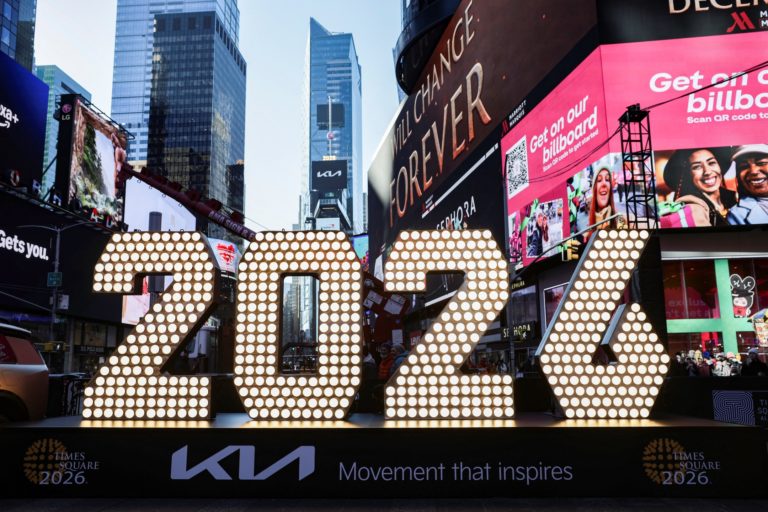
Across large parts of the United States, Arctic air and winter storms are making this New Year’s Eve one of the coldest in years. PBS NewsHour reports that plows in Upstate New York are working to keep roads open for holiday travelers, while forecasters warn of snow squalls. In New York City, as many as one million people are expected in Times Square for what could be the coldest ball drop in nearly a decade.
Cold air is stretching from the Midwest to the Appalachians, while California faces a different threat: heavy rain and possible flooding just days after a Christmas-week storm soaked much of the state.
Overseas, many countries have already welcomed 2026. Auckland, New Zealand, was the first major city to ring in the new year, with fireworks lighting the sky about 18 hours before midnight on the U.S. East Coast. In Australia, Sydney’s fireworks went ahead, but celebrations were tempered by grief for the 15 people killed in this month’s Bondi Beach shooting; the city held a candlelit moment of silence before the display. In Hong Kong, authorities replaced the traditional harbor fireworks with a light show after a major building fire last month killed at least 161 people.
On the political front, PBS NewsHour reports that President Trump says he is removing National Guard troops from Chicago, Los Angeles and Portland. Troops had already left Los Angeles after a judge blocked their deployment earlier in the month, and forces in Chicago and Portland were largely kept off the streets as legal challenges continued.
Trump has also issued his first vetoes since returning to the White House, rejecting two bills that had passed Congress unanimously. One bill supported a water pipeline project in Colorado. Trump called it a burden on federal taxpayers, but Republican Representative Lauren Boebert and Colorado’s two Democratic senators argued the veto was retaliation tied to disputes involving Jeffrey Epstein and election denier Tina Peters, according to the PBS report.
The second vetoed bill would grant a Native American tribe in Florida greater control over its land. The report notes that Trump has blamed that tribe for not supporting his immigration policies. Whether Congress attempts to override either veto will depend largely on Republican leaders.
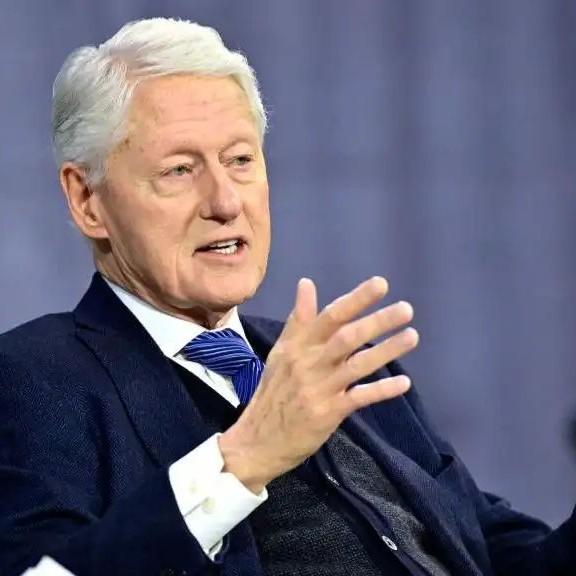
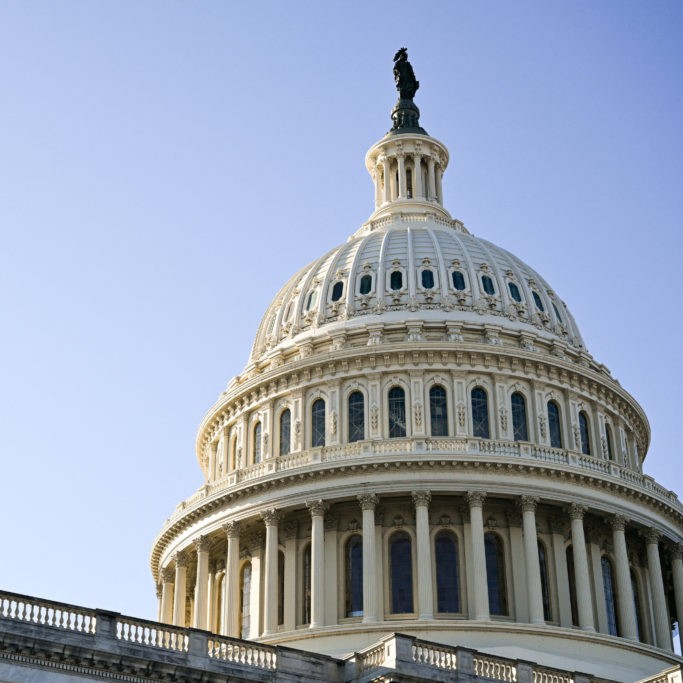
Newly released transcripts and video from a closed-door House Judiciary Committee hearing earlier in December show former special counsel Jack Smith telling lawmakers that the January 6 Capitol riot “does not happen without President Trump.” According to PBS NewsHour, Smith was questioned for eight hours about two criminal investigations he opened into Trump: one concerning efforts to overturn the 2020 election results, and another involving classified documents retained after Trump’s first term ended.
Transcript of former Special Counsel Jack Smith’s deposition appearance before US House Judicial Committee, in which he gave evidence on Trump’s indictments for Jan 6 and other criminal offenceshttps://t.co/RLAoCUbGkq pic.twitter.com/M6zHf0PegI
— Minh Alexander (@alexander_minh) January 1, 2026
What It Means for You
For many Americans, especially those planning to travel or attend outdoor events, the immediate concern is weather. Arctic temperatures and snow can disrupt flights, road travel and public celebrations, and can increase the risk of hypothermia or frostbite for people staying outside for extended periods. On the West Coast, heavy rain and potential flooding may threaten homes, commute routes and holiday plans.
Politically, Trump’s withdrawal of National Guard troops and his first vetoes of this term are early signals of how his administration may approach conflicts with states, cities and Congress. Residents of Colorado and Florida, in particular, may see direct impacts on water infrastructure and Native American land management if the vetoes stand. The resurfacing of detailed testimony from Jack Smith about January 6 also suggests that legal and political debates surrounding that day will remain a central feature of U.S. public life.
As you follow this top story and related global news into 2026, it will be important to watch how Congress responds to the vetoes, how courts handle challenges to federal deployments in cities and how communities adapt large public celebrations in an era of extreme weather and heightened security concerns.
What do you think is the most important factor cities should prioritize when planning large public celebrations in an age of extreme weather and heightened security risks?