Why This Matters
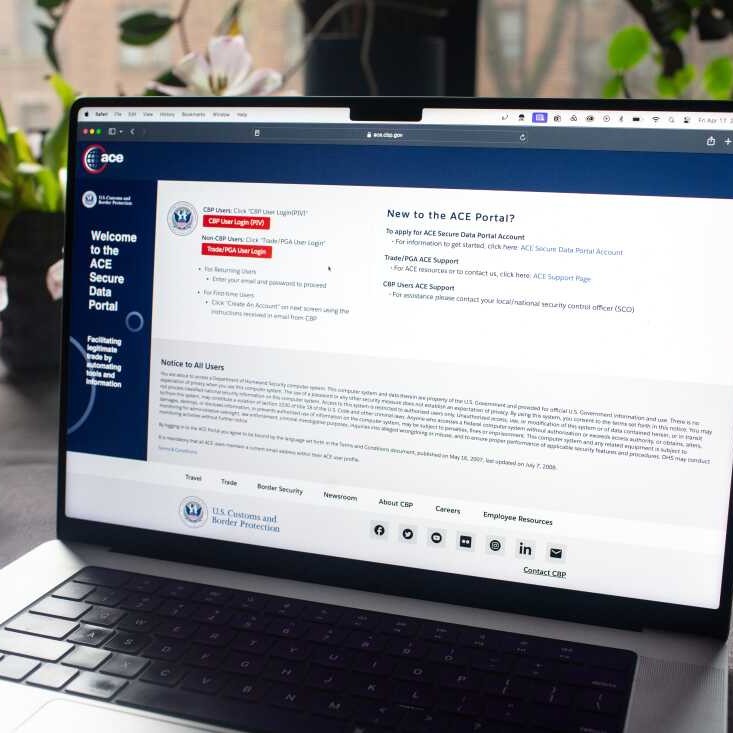
The federal government is about to begin refunding billions of dollars in tariffs that the U.S. Supreme Court ruled unconstitutional, and the process starts with a new online portal run by U.S. Customs. For importers, this is the first concrete step toward getting money back after months of uncertainty.
Customs officials estimate they ultimately owe about $166 billion in refunds tied to Trump-era tariffs. That money has been tied up in supply chains for years, affecting manufacturers, wholesalers, retailers, and the small businesses that rely on imported goods or imported parts.
For everyday shoppers, the impact is more complicated. Tariff costs were built into prices over time and shared across companies and consumers, so experts cited in the reporting say it is unlikely that most households will see clear, direct refunds, even as businesses begin filing claims through the portal.
Key Facts and Quotes
The new tariff-refund system goes live Monday, according to U.S. Customs and Border Protection, marking the first phase of payouts. This initial round will focus on tariff payments that have not yet been fully finalized under federal customs review. Once a refund request is approved, current guidance says it could take 60 to 90 days for the money to reach importers.
The refunds stem from a Supreme Court decision two months ago that declared most of President Donald Trump’s tariffs unconstitutional. The court did not spell out how refunds should work, and officials initially warned that unwinding years of payments could be complex. Customs has since developed a new tool, known as CAPE, to handle the high volume of claims and electronic payments.
In legal filings, U.S. Customs estimated it owes $166 billion in refunds and indicated that this first phase should cover most affected imports. A Customs official told a judge that the vast majority of eligible importers have enrolled in electronic payments, and that group alone is owed about $127 billion. A CBP spokesperson said CAPE was built to process refunds efficiently and pointed importers and brokers to updated agency guidance.
Small-business advocates say this is a long-awaited win. “Small businesses organized, spoke out, and won a major victory,” the group Main Street Alliance said in a statement, urging the government to “follow through with a refund process that truly works for Main Street.” Retailers, however, face uncertainty over how far the money will trickle down. “As a retailer, I didn’t pay tariffs directly. However, I did pay them indirectly in the form of higher wholesale prices,” said Joe Kimray, who owns B & W Hardware in North Carolina, adding that he hopes manufacturers will share refunds through future discounts.
Consumers, meanwhile, are pursuing a different route: filing class-action lawsuits against companies including Costco and FedEx to recover tariff-related costs. FedEx has pledged to pass along any refunds it receives, while Costco’s chief executive told investors the retailer would return savings through “lower prices and better values” and be transparent about its approach.
What It Means for You
For importers and other businesses up the supply chain, the launch of the portal means it is time to review which shipments qualify in this first phase and ensure electronic payment information is in place. Companies whose tariffs were already finalized may need to wait for later stages, as Customs expands CAPE to handle older payments.
For consumers, experts do not expect direct refund checks. Any benefit is more likely to show up indirectly, such as modest price changes or company-specific refund policies if lawsuits succeed or large firms decide to share savings. Shoppers may want to watch for announcements from major retailers and shippers about how they plan to handle any tariff refunds.
How do you think the financial fallout from major policy reversals like these tariffs should be divided among governments, businesses, and consumers?
Sources
NPR reporting by Alina Selyukh with contributions from Scott Horsley, published April 19, 2026; U.S. Customs and Border Protection tariff-refund guidance and spokesperson comments as described in the NPR report; U.S. Supreme Court ruling striking down most Trump-era tariffs, 2026.