Why This Matters
Online scams have shifted from scattered, one-off cons to a sprawling global industry that targets people in every income bracket and age group. Victims are losing life savings, retirement funds, and family loans to criminals they never meet in person.
Fraud experts say the problem accelerated after the Covid lockdowns, when more of daily life moved online. The Global Anti-Scam Alliance, a non-profit network of consumer groups and regulators, estimates that worldwide losses from scams now exceed half a trillion dollars a year.
Romance scams, investment cons, and fake tech support schemes are increasingly run by cross-border gangs using professional tools, from deepfake websites to voice changers. That has pushed governments, banks, and technology companies to attempt a more coordinated fightback, even as criminals continue to adapt.
Key Facts and Quotes
In one recent case described in BBC reporting, a woman in northern England, identified only as Kirsty, met a man on a dating site in 2024. He claimed to be a British businessman working in Turkey, showed off a beach photo, and directed her to what appeared to be an online bank account holding about $600,000.
Within weeks, he told her he had been mugged, said his phone and computer were gone, and asked her to buy him a new phone and pay his bills. Over two months, Kirsty sent about 80,000, including 50,000 borrowed from family, believing he would repay her once he regained access to his money.
Investigators later found the phone had been redirected to Lagos, Nigeria, and the money had been dispersed via transfer services to people with Nigerian, Romanian, and other European names. The supposed bank site was a sophisticated fake registered in Baltimore, and the man was reported to be Nigerian, allegedly using a voice disguiser. “Ultimately, they’re all the same – someone lying to you to get you to send money,” the BBC reporter who covered the case said.

Data from Barclays Bank, cited in the same report, showed that romance scam complaints rose 20% year-on-year in early 2025. City of London Police said victims in the United Kingdom alone lost about 106 million to romance scams in 2024. The UK government has said that fraud now accounts for more than 40% of crimes against individuals there, and that around 70% of scams originate overseas, often through organized criminal networks.
What It Means for You
For individual users, the latest wave of scams can be harder to spot because fake profiles, cloned websites, and spoofed phone numbers increasingly look and sound legitimate. Criminals routinely mix emotional pressure, like a romance crisis, with convincing financial details to win trust before asking for money or personal data.
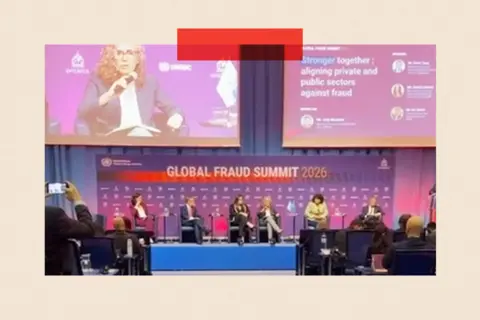
Officials and consumer advocates say that coordinated international action is still in its early stages, and meaningful results may take years. In the meantime, they urge people to treat unsolicited contact, urgent money requests, and online-only relationships with caution, and to report suspected scams so patterns can be tracked across borders.
What safeguards, personal or technological, do you think are most realistic for reducing online scams without making everyday digital life feel locked down?
Sources
BBC long-form report on global romance scams and anti-fraud cooperation, April 2026; Global Anti-Scam Alliance annual loss estimates, 2024; public statistics and statements from Barclays and City of London Police on romance scam trends, 2024-2025; UK government briefings on fraud prevalence and overseas scam origins, 2023-2024.