Why This Matters
The United States is putting $50 million into a South African project to recover rare earth minerals from old mining waste, even as broader financial aid to the country is frozen. The move underscores how strategic minerals needed for electronics, electric vehicles, and weapons systems can override diplomatic friction.
Rare earth elements are crucial for high-performance magnets used in wind turbines, EV motors, smartphones, and defense technology. China dominates global processing and supply, leaving the U.S. and its allies exposed to potential disruptions. Washington has been seeking alternative sources, especially in Africa, where competition with Beijing for resources is intense.
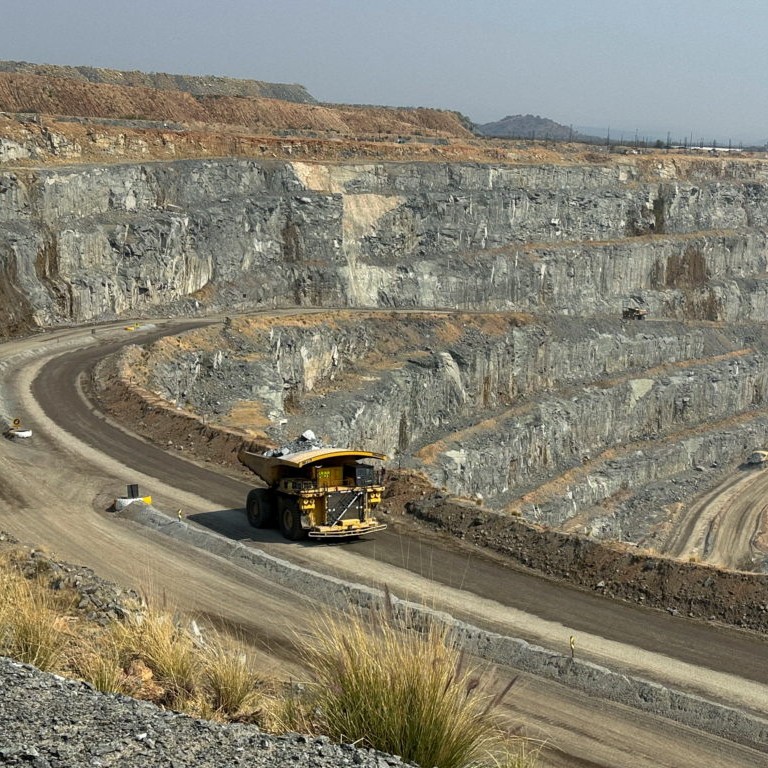
The Phalaborwa Rare Earths Project in northern South Africa offers a test case for a different approach: extracting minerals from 35 million tons of phosphogypsum waste left by past phosphate processing. If successful, it could both diversify supply chains away from China and show whether “above-ground” extraction from waste can be commercially and environmentally viable.
Key Facts and Quotes
The U.S. International Development Finance Corporation, or DFC, has approved a $50 million equity investment in the Phalaborwa project, according to reporting by the Associated Press. The funding will be deployed once the project developer, Rainbow Rare Earths, begins building a processing plant, currently expected in early 2027, with production targeted to start in 2028 and run for about 16 years.
The DFC stake is held through TechMet, a private company focused on securing critical mineral supplies for Western countries. Rainbow Rare Earths plans to supply neodymium, praseodymium, dysprosium, terbium, and other rare earths, key to magnets in EVs, wind turbines, defense systems, and robotics. Chief executive George Bennett told the Associated Press they hope to ship predominantly to the U.S., saying American interest is “largely related to defense systems.”
The project is moving forward despite a sharp diplomatic rift. The Trump administration, now in its second term, ordered a halt to most financial assistance to South Africa in early 2025. Yet it kept backing Phalaborwa as part of a broader strategy to build a U.S. strategic reserve of critical minerals and reduce reliance on China. The DFC has described its Africa mining investments as a way to unlock the continent’s mineral potential “while advancing U.S. strategic interests.”
Analysts say the Phalaborwa project is notable because it targets waste material that has already been mined, crushed, and heated. “It looks like a fairly low-cost asset in terms of operational cost,” said Neha Mukherjee of Benchmark Mineral Intelligence, adding that capital needs are “not very high … which is a good sign.” Project director Alberto Bruttomesso noted that earlier processing was the most expensive step: “Heating is the most expensive part of the process. It’s what costs the most money.”
What It Means for You
For consumers, the project is part of a longer chain that could influence the cost and availability of clean energy technology, electronics, and even defense-related products. A more diverse rare-earth supply could reduce the risk of sudden price spikes or shortages tied to political tensions or export controls by a single dominant supplier.
For U.S. foreign policy, Phalaborwa shows how economic and security priorities can keep specific projects alive even when relations with a partner government are strained. It is one of several U.S.-backed mineral and infrastructure efforts in Africa, including feasibility work on rare earths in Mozambique and support for the Lobito Corridor rail project. Observers will be watching whether the project meets its technical promises, how local communities are affected, and whether it shifts the balance of rare-earth supply away from China.
How do you think the U.S. should balance strategic mineral needs with diplomatic disputes and environmental concerns in partner countries?
Sources
Associated Press report by Michelle Gumede published by PBS NewsHour, April 19, 2026; Public background information from the U.S. International Development Finance Corporation and Rainbow Rare Earths, accessed April 2026.