Why This Matters
A personal story from writer Marc Silver about his wife Marsha, who lives with advanced dementia, captures a question many families face: when a loved one no longer remembers milestones, do birthdays and gifts still matter? His answer, told through one birthday sweater and a bowl of coffee ice cream, offers a window into life inside long-term dementia care.
More than six million older adults in the United States are living with Alzheimer’s dementia, according to national estimates, and millions of relatives provide daily support. As memory and language fade, families are left to decide how to honor long-held traditions while adapting to new medical and emotional realities.
The story also highlights a quieter side of caregiving. Beyond medications and safety plans, relatives are often trying to preserve moments of joy, dignity, and recognition, even when they are unsure how much their loved one can understand or recall.
Key Facts and Quotes
In the essay, published by NPR on April 19, 2026, Silver describes his wife as being in a stage of dementia where she rarely speaks, may not respond to his daily visits, and lives in a small group home for people with cognitive and age-related conditions. The home keeps kosher, which shapes what foods he can bring to her.

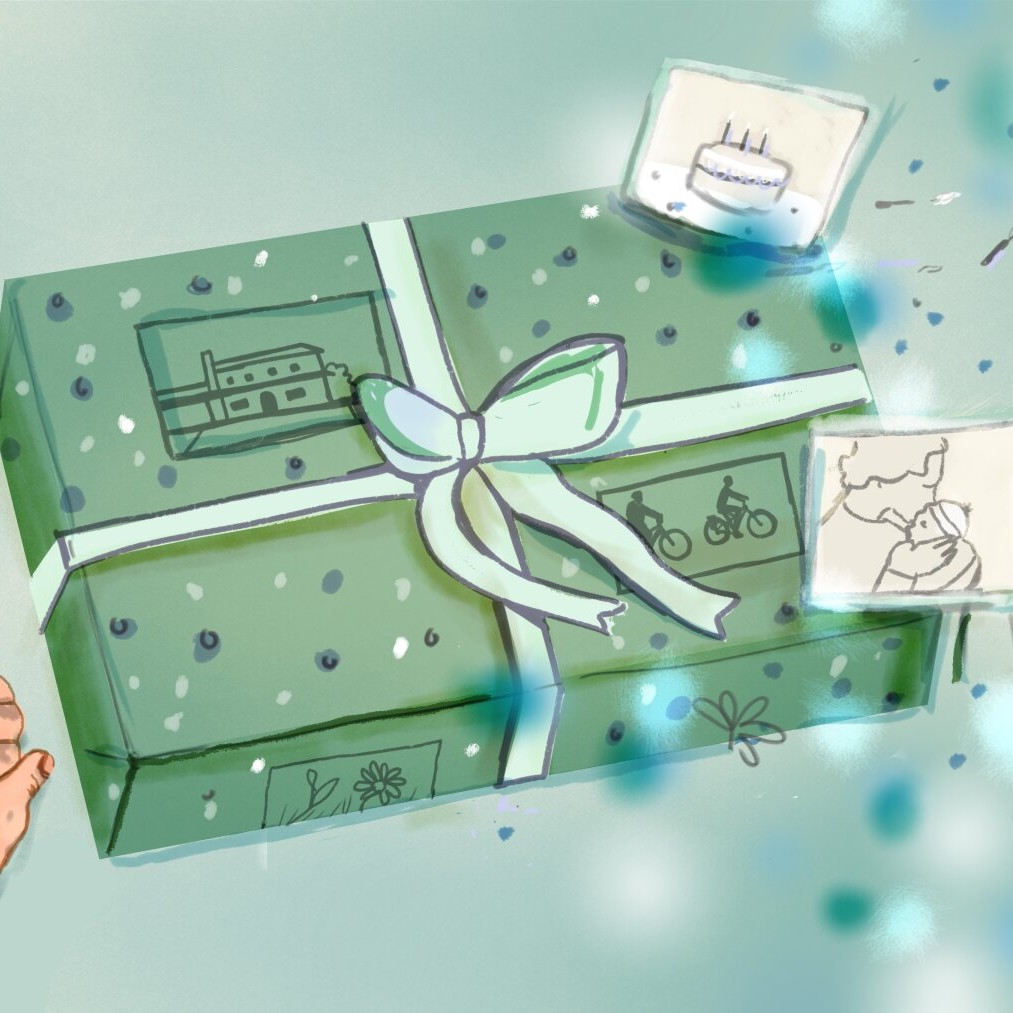
As her birthday approached, he debated whether to buy a present at all. In earlier years, he chose earrings, scarves, music, and books. More recently, he focused on treats that brought an immediate reaction: kosher-certified coffee ice cream, her favorite, and small watermelons, which she reliably enjoyed. He writes that seeing her smile over a bowl of coffee ice cream felt like a small triumph.
This year, he walked past a shop window and saw a cardigan he thought was very much his wife’s style. With their two daughters, he weighed whether the sweater would fit, whether she needed more clothes, and whether she could still visually appreciate it. They decided to buy it. On her birthday, the family helped Marsha into the sweater; it fit, and she gave what he describes as a radiant smile, making her look like the woman he had known for decades. A nurse practitioner involved in her care, Andrea Kohn, tells him that dementia is a ‘disease of moments,’ a phrase he uses to frame that fleeting, joyful scene.
What It Means for You
The episode underlines that even when memory and language are deeply affected, many people with dementia can still experience comfort, pleasure, and connection. Clinicians often encourage families to focus on simple, familiar experiences – favorite foods, music, clothing styles, or routines – that feel safe and soothing, rather than on whether the person will remember the event later.
For caregivers, it also reflects the emotional balancing act between practical responsibilities and symbolic gestures. Continuing birthdays, holidays, or anniversaries may not change the course of the disease, but they can provide structure and meaning for families themselves. Health professionals often recommend that caregivers seek support, share decisions with relatives, and pay attention to what seems to calm or delight their loved one, adjusting traditions as needs change.
When someone you care about can no longer fully follow dates or rituals, how do you decide which traditions to keep, change, or let go?
Sources
NPR personal essay by Marc Silver on his wife Marsha’s birthday and dementia, published April 19, 2026; Alzheimer’s Association and related U.S. public health summaries on dementia prevalence and family caregiving, 2022-2023; National Institute on Aging materials on caregiving, quality of life, and person-centered activities in dementia care, 2022.