Why This Matters
The latest turn in U.S.-Iran diplomacy underscores how fragile the current ceasefire is and how quickly it could unravel. Washington is sending senior officials to Pakistan for what it hoped would be a second round of talks to end the war, but Iran now says it will not attend, citing deep mistrust of U.S. intentions.
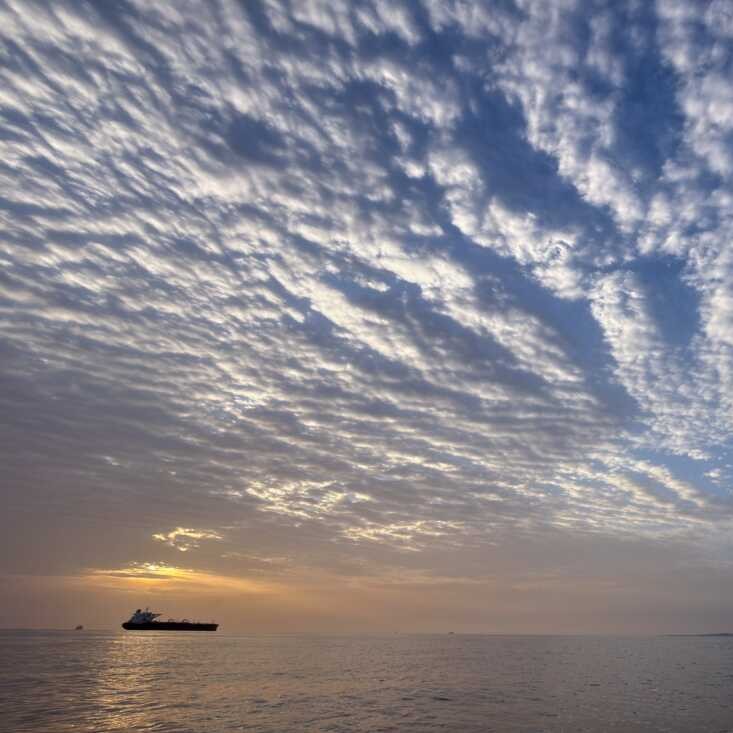
At the same time, President Trump is publicly threatening to destroy major parts of Iran’s infrastructure if talks fail, while defending a U.S. naval blockade of the Strait of Hormuz. That narrow waterway carries a large share of the world’s oil and gas exports, so any prolonged disruption could drive up global energy prices and strain economies far beyond the Middle East.
Regional incidents are already multiplying. Reports of gunfire on merchant ships near the strait and continued clashes involving Israeli forces point to a conflict that risks widening. For U.S. readers, the outcome of these talks, or their breakdown, will shape military commitments, global markets, and long-term security policy.
Key Facts and Quotes
U.S. officials are traveling to Islamabad, Pakistan, for another attempt at peace talks with Iran aimed at ending the war, according to a White House official who spoke on the condition of anonymity. The delegation includes Vice President Vance, U.S. special envoy Steve Witkoff, and senior adviser Jared Kushner, the official said.
However, Iran’s official news agency, IRNA, reported Sunday that Tehran has declined to join this second round of talks in Islamabad. IRNA said Iranian officials blamed what they called “Washington’s excessive demands, unrealistic expectations, constant shifts in stance, repeated contradictions, and the ongoing naval blockade,” which Iran views as a violation of the ceasefire.
Earlier Sunday, President Trump wrote on his social media platform Truth Social that talks would begin Monday evening and framed the U.S. offer as a last chance. “We’re offering a very fair and reasonable DEAL, and I hope they take it because, if they don’t, the United States is going to knock out every single Power Plant, and every single Bridge, in Iran. NO MORE MR. NICE GUY!” he posted. He praised the U.S. blockade of the Strait of Hormuz, saying it was costing Iran “$500 Million Dollars a day” while the United States “loses nothing,” and claimed Iran had fired bullets in the strait in “A Total Violation of our Ceasefire Agreement!”
The tension at sea is drawing in other countries. India’s foreign ministry said it summoned Iran’s ambassador in New Delhi after what it described as a shooting incident involving two Indian-flagged vessels in the Strait of Hormuz during a brief reopening of the waterway on Saturday. India said there was “a serious incident of firing on merchant ships” and urged Iran to restore safe passage for Indian ships. Britain’s Maritime Trade Operations Center separately reported receiving a report that two Iranian Revolutionary Guard gunboats fired on a tanker, without specifying its flag.
On Israel’s northern front, the Israeli military said Sgt. Maj. Barak Kalfon was killed when his engineering vehicle hit a bomb, and that three other soldiers were wounded. Another soldier, Staff Sgt. Lidor Porat was reported killed in fighting in southern Lebanon, with eight more soldiers injured. Meanwhile, opinion polls cited by Israeli media indicate most Israelis oppose the ceasefire, believing their army had been making progress against the armed group it has been fighting.
What It Means for You
If the diplomatic track stalls and military pressure grows, Americans could see higher fuel prices, renewed market volatility, and the possibility of deeper U.S. involvement in a complex regional conflict. The fate of the ceasefire and whether Iran eventually joins substantive talks will be key signals to watch in the coming days.
For now, the combination of harsh public threats, a contested blockade, and scattered incidents at sea and along Israel’s borders suggests the situation remains highly unstable. How leaders in Washington, Tehran, and key regional capitals respond will help determine whether this moment leads toward a negotiated settlement or a slide back into wider war.
As you follow this story, what diplomatic steps do you think are most important to prevent a wider regional war?
Sources
NPR report on U.S.-Iran talks and regional incidents, 19 Apr 2026; Statements carried by Iran’s official news agency IRNA, 19 Apr 2026; India Ministry of External Affairs statements on Strait of Hormuz shipping, 18-19 Apr 2026; UK Maritime Trade Operations updates on tanker incident, 18 Apr 2026; Public statements from the Israel Defense Forces and Israeli opinion polling reported in local media, mid-Apr 2026.