Why This Matters
A senior energy adviser to President Biden, Amos Hochstein, said in a recent television interview that Iran now “has a card they never had” by threatening to close the Strait of Hormuz during the current war. His comment highlights how a single narrow waterway can shift the balance of power during a regional crisis.
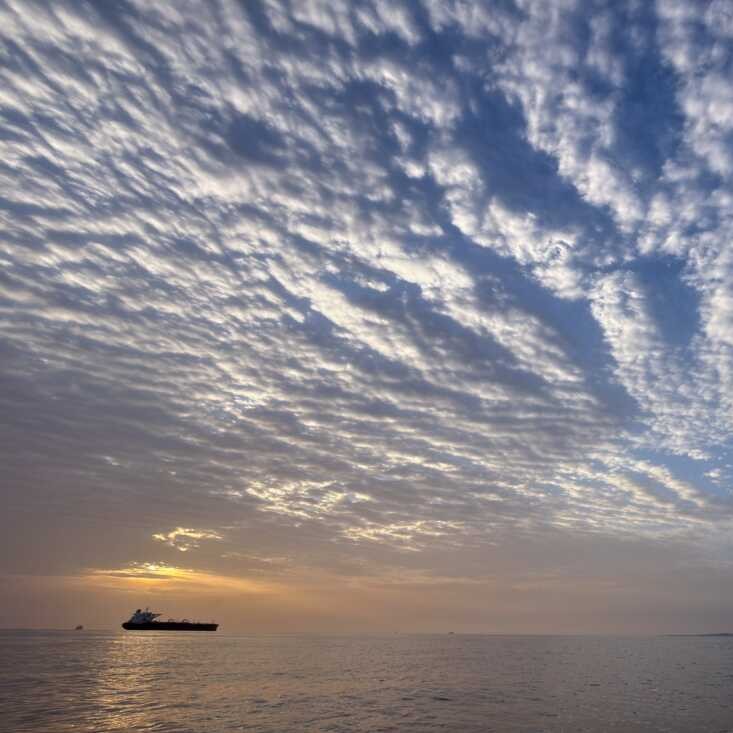
The Strait of Hormuz, which lies between Iran and Oman, is the main exit from the Persian Gulf to the open ocean. According to U.S. government energy data, roughly one-fifth of the world’s seaborne oil passes through this corridor, making it one of the most critical shipping chokepoints on the planet.
Any disruption there, even if brief or partial, can send shock waves through global energy markets. For the United States, that can mean higher gasoline and diesel prices, more volatility for retirement investments tied to energy stocks, and added strain on already fragile supply chains.
Key Facts and Quotes
Amos Hochstein, a senior White House energy adviser and long-time Middle East negotiator who also serves as managing partner at the consulting firm TWG Global, made his comments on the CBS News program “Face the Nation.” He said that by using the threat of closing the Strait of Hormuz, “Iranians have a card they never had” in the war.
Hochstein’s remarks were framed by the program in the context of rising tensions in and around the Strait, where Iran has periodically harassed or seized commercial vessels over the past decade. His point was that, in a time of conflict, control over a major transit route for oil and liquefied natural gas becomes a powerful tool of influence.
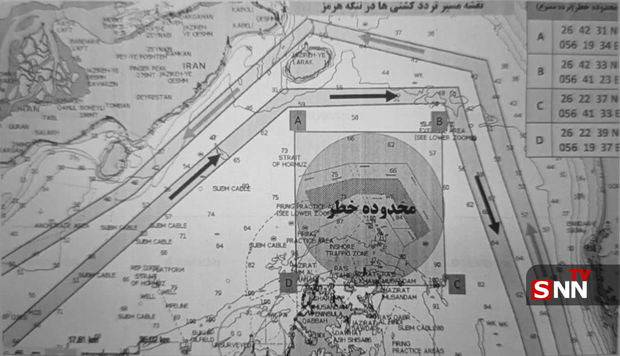
The Strait of Hormuz is only about 21 miles wide at its narrowest point, with designated shipping lanes just a few miles across. The U.S. Energy Information Administration has estimated that around 20 percent of the world’s petroleum liquids traded by sea move through this passage, including exports from Saudi Arabia, Iraq, the United Arab Emirates, Kuwait, and Qatar.
Naval forces from the United States and other countries patrol the area to keep traffic flowing and deter attacks. Energy analysts cited in U.S. government reports say a complete, long-term closure of the Strait is unlikely because it would also hurt Iran’s own exports, but they note that even the threat or limited disruption can push up prices and heighten the risk of miscalculation.
What It Means for You
For U.S. consumers, the immediate concern is how tension around the Strait of Hormuz might affect oil and gas prices. Markets often react not only to physical disruptions, but also to perceived risk, so strong rhetoric or military incidents in the area can translate into higher costs at the pump and for home heating.
Looking ahead, the situation underscores how events far from U.S. shores can influence inflation, investment portfolios, and overall economic stability. Developments to watch include diplomatic efforts to calm the region, any changes to naval patrols, statements from Iran and Gulf producers, and how energy companies and governments plan for possible shipping disruptions.
How much attention do you think the United States should pay to distant shipping lanes like the Strait of Hormuz when weighing its foreign policy and energy choices?
Sources
CBS News video interview with Amos Hochstein on “Face the Nation,” accessed April 2026; U.S. Energy Information Administration, “World Oil Transit Chokepoints” report, 2023; Public fact sheets and statements from the U.S. Department of Energy and U.S. Navy Fifth Fleet on the Strait of Hormuz, 2022-2024.