Why This Matters
President Donald Trump’s announcement that senior U.S. officials will travel to Pakistan for negotiations with Iran comes as Tehran has again moved to close the Strait of Hormuz, according to CBS News. The combination of talks and renewed tension highlights how fragile the security situation remains.
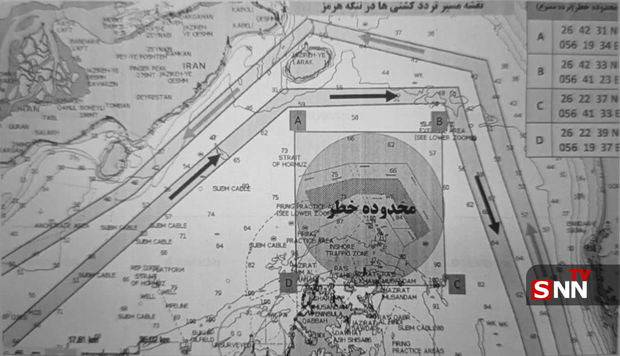
The Strait of Hormuz is one of the world’s most important oil chokepoints. A significant share of global seaborne crude passes through this narrow waterway. Any extended closure or disruption can push up energy prices, unsettle financial markets, and raise the risk of military confrontation.
Holding negotiations in Pakistan, a nuclear-armed nation that maintains relations with both Washington and Tehran, signals a search for a venue acceptable to both sides. How these talks unfold could influence not only the course of the current conflict but also broader regional stability and global energy security.
Key Facts and Quotes
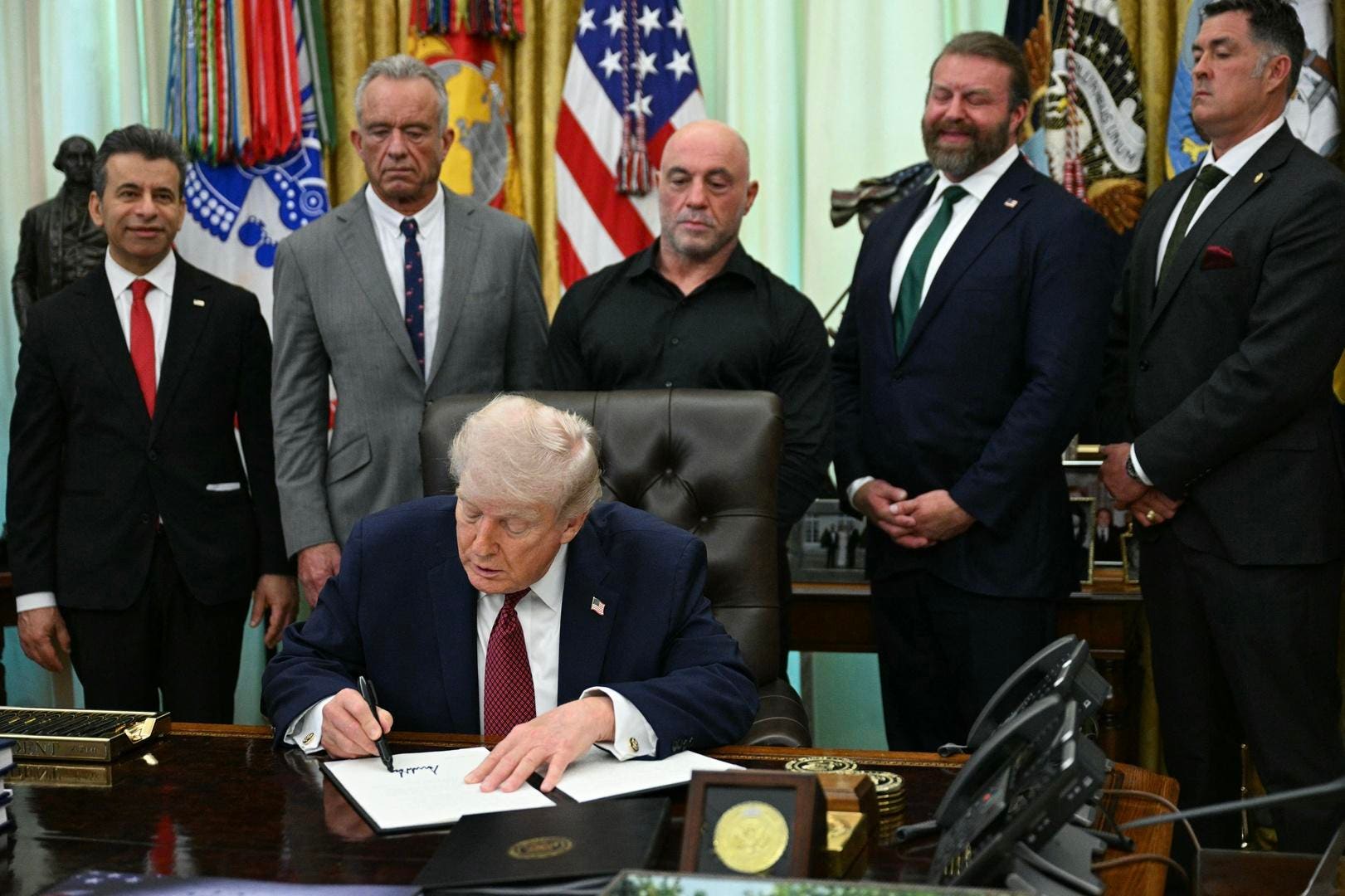
In an early-Sunday social media post, Trump said he was sending representatives to Pakistan for “another round” of negotiations with Iran, according to CBS News. The outlet reported that Vice President JD Vance, special envoy Steve Witkoff, and presidential son-in-law Jared Kushner are expected to travel to Islamabad for the talks.
These reported talks in Pakistan would come amid continued hostilities involving Iran and U.S. forces and partners. While few operational details were made public, the involvement of such senior figures suggests the White House sees the negotiations as a high-stakes attempt to shape the next phase of the crisis.
On the Iranian side, the speaker of parliament said early Sunday that the Strait of Hormuz will remain closed “if the U.S. does not lift the blockade,” CBS News reported. That statement tied the reopening of the critical waterway directly to U.S. military and economic pressure on Iran.
Iran’s chief negotiator struck a more conciliatory tone on state television, saying the country wants “a lasting peace,” according to the same reporting. However, the parliamentary speaker also said both sides were still far from a final peace agreement, underscoring the gap that remains between public aspirations and any concrete deal.
What It Means for You
For Americans, the main near-term impact to watch is on gasoline and energy prices, which can react quickly to any perceived threat to shipping through the Strait of Hormuz. Even short-lived disruptions or sharp political statements can cause price swings that filter down to household budgets.
Over the coming days, key signals will include whether the reported talks in Islamabad actually begin, whether Iran eases its closure of the Strait of Hormuz, and whether either side announces steps toward a cease-fire or de-escalation. Staying informed through verified updates will be important, as details in fast-moving conflicts can change quickly.
What do you think is the most effective mix of pressure and diplomacy when vital global trade routes are at stake?
Sources
CBS News live updates on Iran conflict, Strait of Hormuz closure, and U.S. negotiations with Iran, April 17-19, 2026.