Why This Matters
A series of arson attacks on Jewish sites in north London has raised concern about both rising antisemitism and possible foreign involvement in targeting British communities. Counterterrorism officers are examining whether the incidents are linked to Iranian-backed groups, adding an international security dimension to what began as local crimes.
The investigation comes at a time when reported antisemitic incidents in the United Kingdom remain near record highs. The Community Security Trust, which monitors threats against Jews, recorded 3,700 antisemitic incidents in 2025, the second-highest total the group has ever logged.
Officials and community leaders warn that even when attacks cause only minor damage, they can have a deep psychological impact, leaving people feeling unsafe at places of worship, schools, and community centers. The reported pattern of coordinated targeting also raises questions about authorities’ preparedness to prevent similar attacks in other cities.
Key Facts and Quotes
The latest incident occurred overnight at Kenton United Synagogue in Harrow, in north London. According to the Community Security Trust, a room in the synagogue sustained minor smoke damage, and no injuries were reported. Metropolitan Police officers on patrol noticed damage to a window on Saturday night and then saw smoke inside.
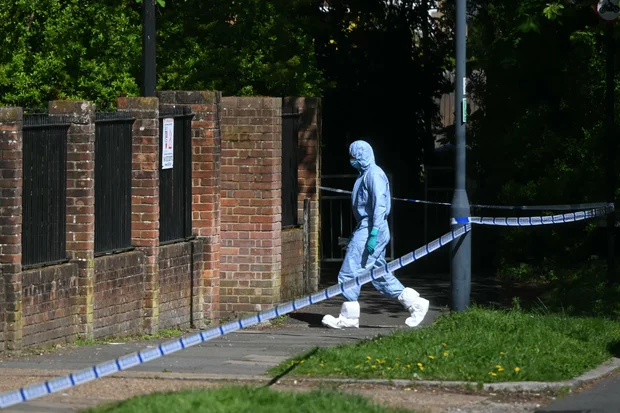
“On further inspection, they saw smoke inside a room and evidence that a bottle with some sort of accelerant had been thrown through the window,” the Metropolitan Police said in a statement. Forensic officers examined the cordoned-off site on Sunday as part of a wider counterterrorism investigation.
The Kenton attack followed an arson incident late Friday at a building in nearby Hendon that once housed a Jewish charity, and an earlier arson attack on a synagogue in Finchley, where two people were arrested on Wednesday. In late March, four Jewish community ambulances were torched in Golders Green, and police are also investigating an attack on a Persian-language media company in London.
Deputy Assistant Commissioner Vicki Evans said a little-known group called Harakat Ashab al-Yamin al-Islamiya, which has been linked by public reporting to Iran, has claimed responsibility for many of the attacks. The group has previously claimed similar incidents in Belgium and the Netherlands. “We are aware of public reporting that suggests this group may have links to Iran. As you would expect, we will continue to explore that question as our investigation evolves,” Evans said, adding that police are considering whether the Iranian government’s alleged use of criminal proxies, “is being used here in London.”
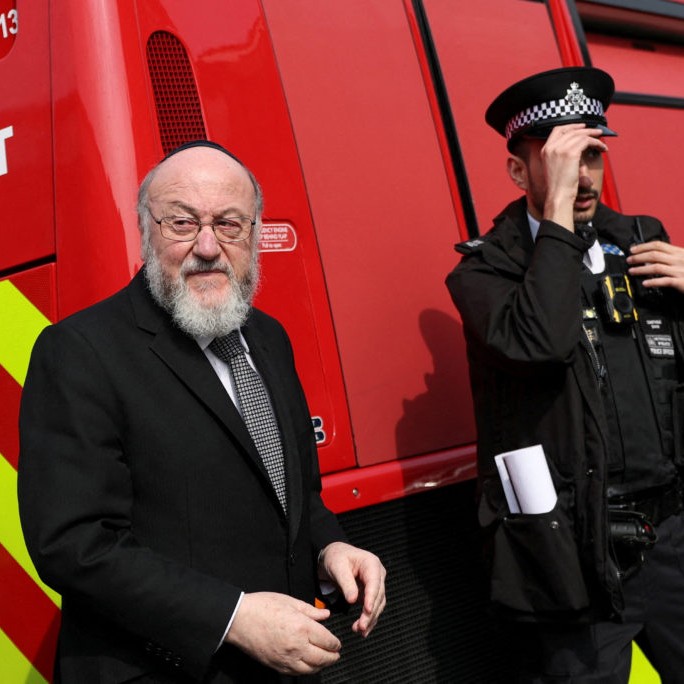
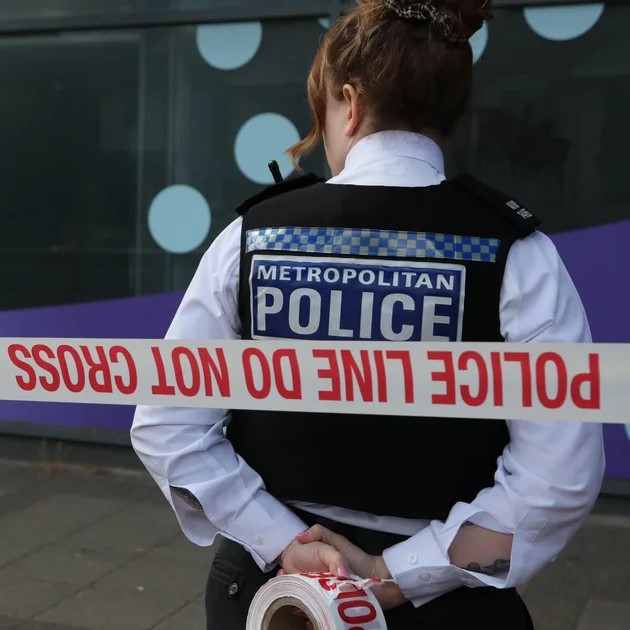
Authorities have increased patrols in neighborhoods with large Jewish populations. Chief Rabbi Ephraim Mirvis wrote that the attacks suggest “a sustained campaign of violence and intimidation against the Jewish community in the UK is gathering momentum,” warning that the country must not wait for loss of life to recognize “how dangerous this moment is for all of our society.” Prime Minister Keir Starmer said he was “appalled” by the incidents, calling them “abhorrent” and stressing, “Attacks on our Jewish community are attacks on Britain. We will not rest in the pursuit of perpetrators.”
What It Means for You
For people in London, the investigation means a visible increase in police presence around synagogues, Jewish schools, and community institutions, along with continued disruption around crime scenes as forensic work continues. Officials are encouraging anyone with information or security concerns to contact authorities or relevant community organizations.
More broadly, the case will test how the U.K. responds when alleged foreign-linked groups target domestic religious and ethnic communities. The outcome of the investigation, and any future charges, could shape policy debates on counterterrorism, community protection, and the balance between public vigilance and everyday freedoms.
How do you think governments should balance stronger protection for vulnerable communities with preserving a sense of normal daily life in their cities?
Sources
CBS News / AFP report published April 19, 2026; statements from the Metropolitan Police Service on April 19, 2026; Community Security Trust incident data for 2025; public social media posts by Chief Rabbi Ephraim Mirvis and UK Prime Minister Keir Starmer on April 19, 2026.