Why This Matters
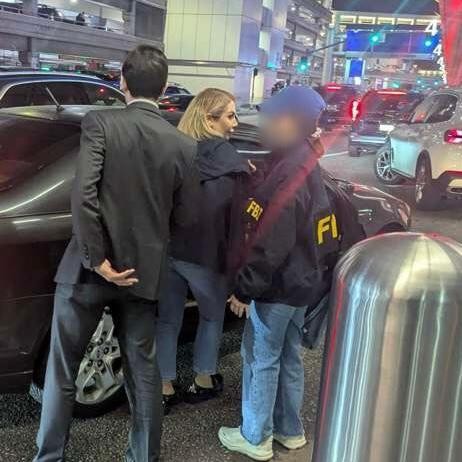
Federal authorities arrested an Iranian national at Los Angeles International Airport on suspicion of trafficking weapons on behalf of the Iranian government, officials said. The case connects a major U.S. travel hub with an alleged international weapons network involving Iran and Sudan.
The arrest centers on U.S. sanctions and export control laws, which are key tools Washington uses to limit Iran’s access to weapons markets and hard currency. Allegations that a U.S. lawful permanent resident helped broker arms sales for a foreign government raise questions about how such networks operate and how they are policed.
The case also comes against a backdrop of longstanding tension between the United States and Iran, including disputes over nuclear activity, regional conflicts, and support for armed groups. Criminal prosecutions tied to sanctions enforcement are one way U.S. authorities say they try to curb Iran’s military reach beyond its borders.
Key Facts and Quotes
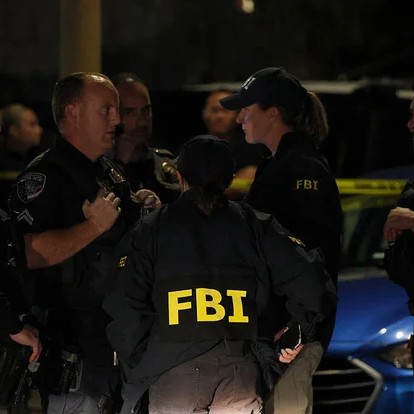
According to federal officials, agents arrested 44-year-old Shamim Mafi of Woodland Hills on Saturday night at LAX. First Assistant U.S. Attorney Bill Essayli said in a public statement that Mafi is expected to appear Monday afternoon in U.S. District Court in downtown Los Angeles.
Essayli said Mafi is accused of violating 50 U.S.C. 1705, a federal law that carries penalties for breaking U.S. economic sanctions. In his statement, he alleged that Mafi brokered “the sale of drones, bombs, bomb fuses and millions of rounds of ammunition manufactured by Iran and sold to Sudan.” Those allegations have not yet been tested in court.
Officials said Mafi is an Iranian national who became a lawful permanent resident of the United States in 2016. If convicted on the current charge, she could face a maximum sentence of 20 years in federal prison, according to Essayli. She remains presumed innocent unless and until proven guilty.
Section 1705 is part of a broader legal framework that backs U.S. economic sanctions, including those targeting Iran. The statute imposes criminal penalties on anyone found to have willfully violated these sanctions. Officials have not publicly released a detailed timeline of the alleged activity, nor have they identified any other individuals who might be involved, indicating the investigation may still be in an early stage.
What It Means for You
For most travelers, there is no immediate indication that the arrest will affect flights or airport operations at LAX. Authorities have not announced any broader threat to the traveling public tied to this case, and the arrest appears focused on alleged conduct related to international arms transactions.
For the wider public, the case is a reminder of how sanctions and export-control laws are enforced inside the United States, including against people who live and work here. In the coming weeks, key developments to watch will include any formal charging documents, court appearances, and whether prosecutors present additional evidence or bring more counts as the case moves forward.
How should law enforcement and courts balance aggressive sanctions enforcement with safeguards that ensure complex national security cases are handled fairly and transparently?
Sources
CBS News report by Austin Turner, published April 19, 2026; Public social media statement by First Assistant U.S. Attorney Bill Essayli on April 19, 2026.