Why This Matters
The U.S. dietary supplement industry is urging the Food and Drug Administration to widen what counts as a legal supplement ingredient, opening the door for more products built around peptides, new probiotics, and other lab-designed compounds. Any shift could quickly ripple through a market that already fills pharmacy aisles and online storefronts.
Supplements are used by a majority of U.S. adults, yet they do not go through the same premarket safety and effectiveness review as prescription drugs. Changing the rules could expand consumer choice but also increase the number of products that fall into a regulatory gray area, where oversight is limited and scientific evidence is thin.
The current system stems from a 1994 law that treated supplements more like foods than medicines, leaving the FDA to step in mainly after safety problems arise. With an estimated 100,000 or more products now on the market, the debate is whether that framework can safely stretch to cover newer, more druglike ingredients.
Key Facts and Quotes
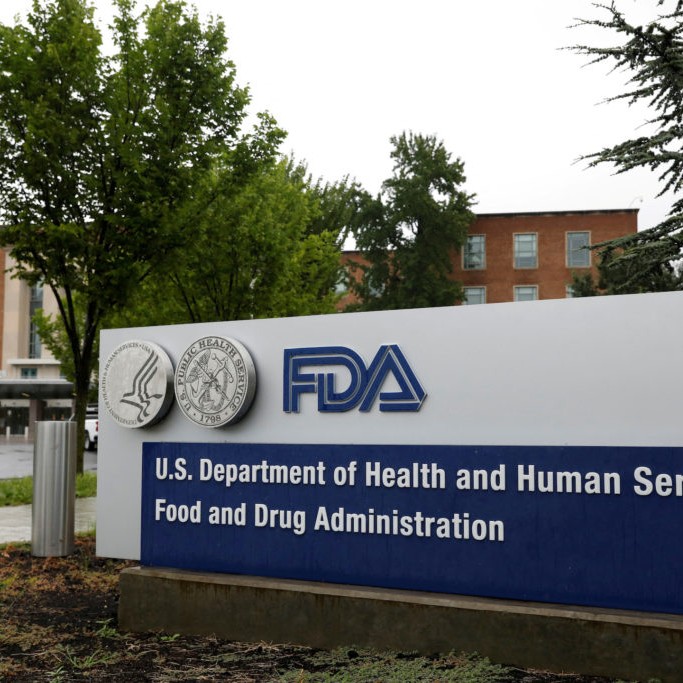
On Friday, the FDA held a public meeting in Washington to consider whether its longstanding criteria for dietary supplements should be interpreted more broadly. The session, requested by the industry group Natural Products Association, followed a January letter citing “the cost and uncertainty that arise when regulatory expectations are unclear.” Opening the meeting, FDA food chief Kyle Diamantas stressed a commitment to “cutting red tape” and noted, “The industry has grown tremendously over the last 30 years, yet the regulatory framework has largely stayed the same.”
Dietary supplement makers push the FDA to allow peptides and other new ingredients https://t.co/uhgJagBV9l pic.twitter.com/v4wSGYSQy4
— Eyewitness News (@ABC7NY) March 29, 2026
Under current regulations, supplements are treated as a category of food, with most ingredients expected to come from substances found in the diet, such as plants and herbs. That has become a constraint as companies look to peptides, druglike chains of amino acids promoted for muscle building and anti-aging, and certain probiotics that have never been part of traditional foods. FDA lawyers say many peptide and probiotic products now being sold as capsules, gummies, and powders technically violate the rules. Industry consultant and former FDA official Robert Durkin said: “The hope of the meeting is that FDA is willing to open up its interpretation of what constitutes a dietary ingredient to allow dietary substances that aren’t already in food.”
Consumer advocates argue that expanding the definition could overwhelm an oversight system they view as already stretched thin. Jensen Jose, senior regulatory counsel at the nonprofit Center for Science in the Public Interest, said the agency should not widen the door before tightening policing of what is already on shelves. “FDA should focus on making the current market safer instead of allowing more chemicals and substances in supplements,” Jose told the meeting.
The debate is unfolding under new political leadership. Health and Human Services Secretary Robert F. Kennedy Jr. has called himself “a big fan” of peptides and has said he uses them for injuries, telling podcast host Joe Rogan he wants to “end the war at FDA” on supplements and peptides. Some of his allies, including longevity promoter Gary Brecka and physician Mark Hyman, sell peptide-related products or large supplement lines. Former Kennedy campaign advisers Calley Means, now a senior HHS official, and his sister, Dr. Casey Means, President Donald Trump’s surgeon general nominee, have also reported significant income tied to supplements. Former FDA regulator Mitch Zeller warned that earlier decisions already allowed “unauthorized, implied health claims,” with labels carefully crafted to avoid claiming to treat disease while still suggesting health benefits.
What It Means for You
For now, nothing about the rules has changed. Supplements, including peptide and probiotic products, generally do not need FDA approval before reaching the market, and many carry the familiar disclaimer that their statements “have not been evaluated by the FDA.” Health experts advise treating bold claims with caution, checking labels carefully, and talking with a doctor or pharmacist before using any product that promises dramatic benefits.
In the months ahead, the FDA could issue new guidance or seek help from Congress on how to handle newer ingredients. Any move to expand what counts as a supplement could affect which products show up in pharmacies, wellness clinics, and online stores. For people who rely on supplements as part of their daily routine, following this debate may help them ask better questions about how their products are made, marketed, and monitored.
How do you think regulators should balance innovation in supplements with protecting consumers from unproven or unsafe products?
Sources
- PBS NewsHour/Associated Press report by Matthew Perrone, published March 29, 2026.
- U.S. Food and Drug Administration consumer information on dietary supplements and background on the Dietary Supplement Health and Education Act of 1994, accessed March 2026.