Why This Matters
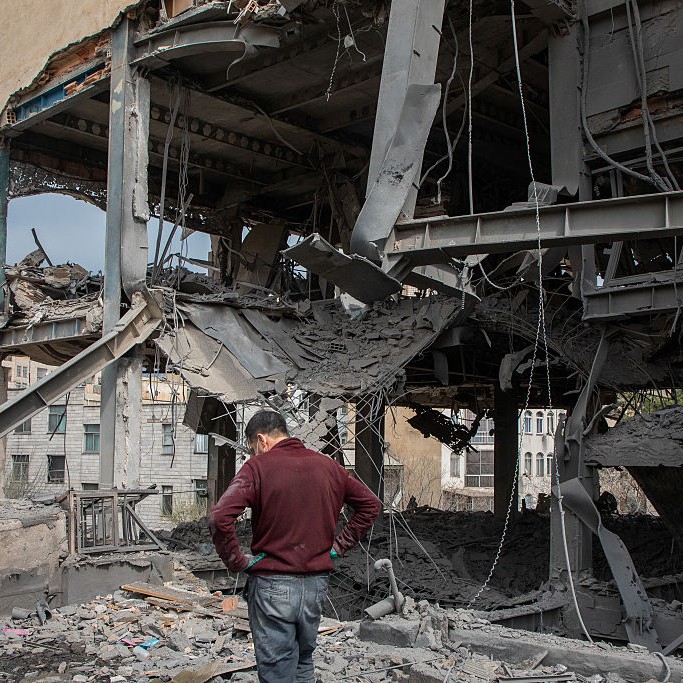
A new CBS News/YouGov poll finds most Americans view the Iran war as unfinished business, even amid ongoing talks and a ceasefire. The survey shows widespread unease about whether the U.S. is achieving what people see as key objectives in the conflict.
Those public doubts matter because they touch on core national interests: keeping oil flowing through the Strait of Hormuz, preventing Iran from developing nuclear weapons, and supporting greater freedom for the Iranian people. If voters think these goals are not being met, support for the current approach can erode quickly.
The poll also links foreign policy to everyday concerns at home. Rising gas prices are shaping how Americans see both the war and the wider economy, adding pressure on President Trump and Congress as they weigh their next moves on Iran.
Key Facts and Quotes
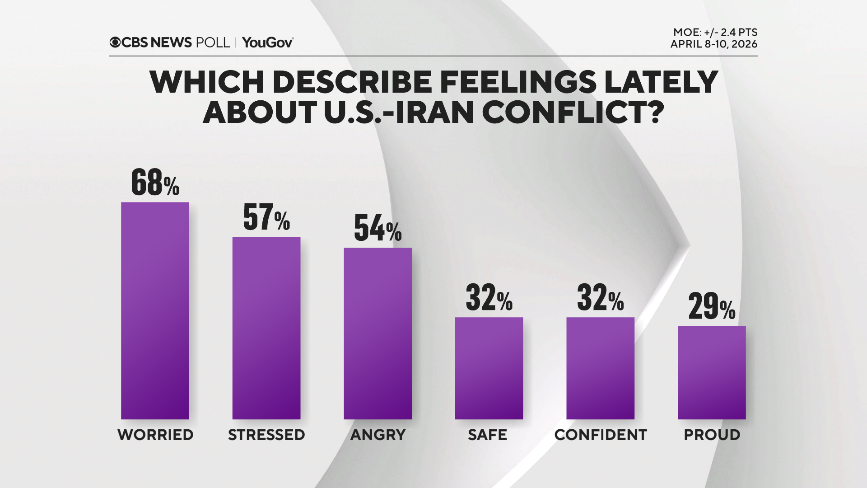
According to the poll, a clear majority of Americans say the Iran conflict is “not going well,” a view that has not improved in recent weeks. When asked how they feel about the situation, Americans are far more likely to choose words like worry, stress, and anger than to say they feel safe or confident.
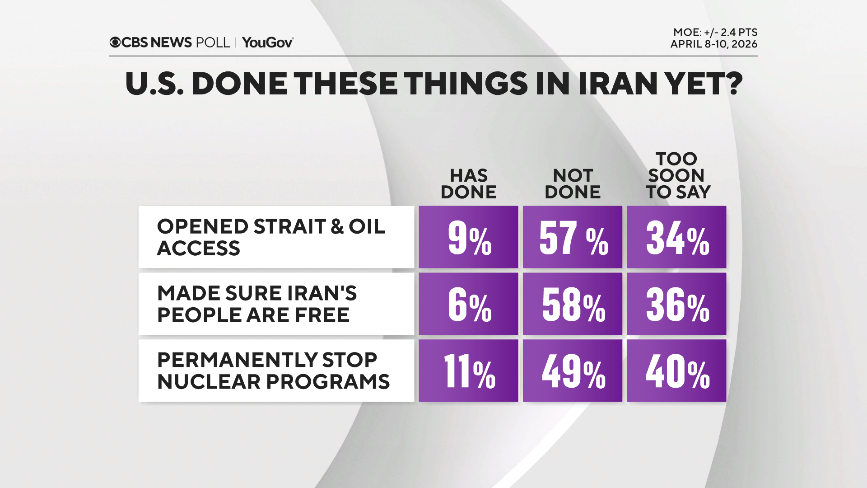
Large, bipartisan majorities call several goals important for the U.S.: reopening the Strait of Hormuz to ensure oil access, permanently stopping Iran’s nuclear program, and helping to ensure the Iranian people are free. Yet huge majorities also say these goals have not been achieved, or that it is too soon to know whether they have.
On possible outcomes, most respondents say it would be unacceptable to leave the current Iranian regime in place. They also call it unacceptable to allow Iran to keep a nuclear program, even if it were placed under international supervision. These answers suggest many Americans favor a much tougher end-state than a limited agreement.
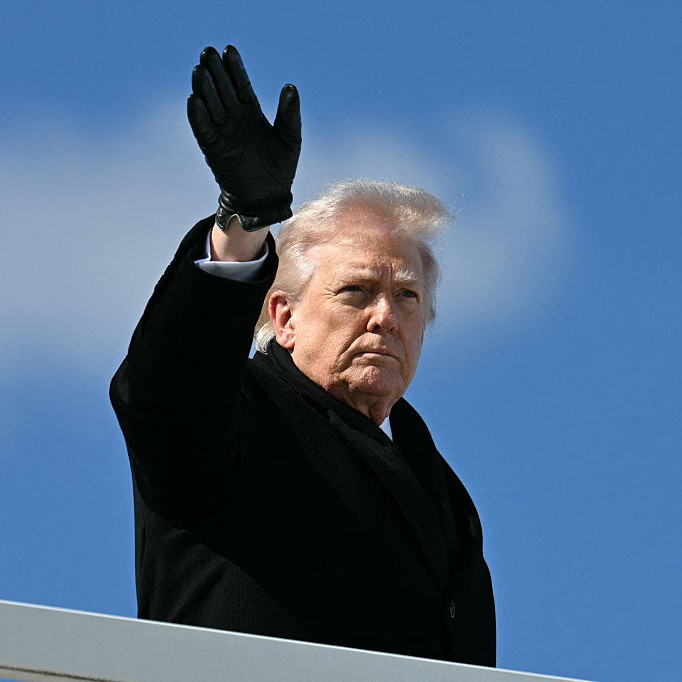
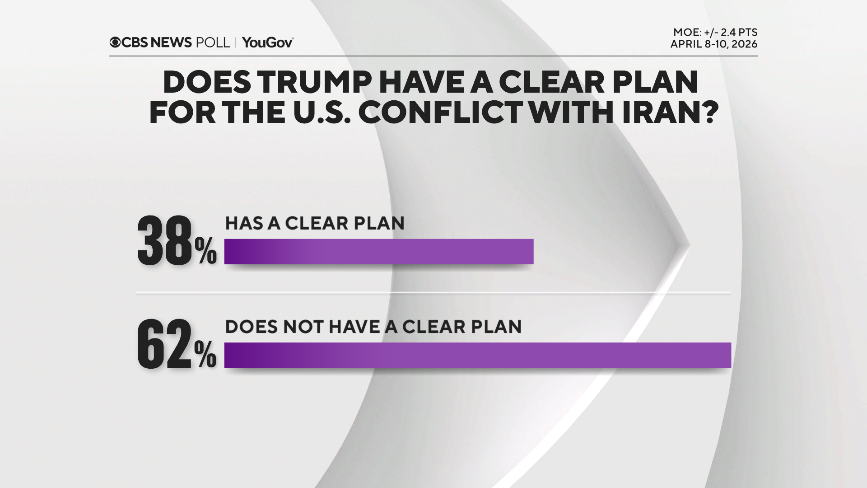
Leadership perceptions are sharply divided. Most Americans do not believe President Trump has a “clear plan” for Iran, the poll finds. Most Republicans, however, think he does and continue to express confidence in his decisions. Among people who say the plan is unclear, many blame what they see as changing or shifting goals.
The survey also asked about Mr. Trump’s recent Truth Social post that referred to Iran’s civilization as a deadline approached. A large majority of Americans said they had seen or heard something about it, and most said they disliked it at least somewhat. Non-MAGA Republicans were more negative than positive, while MAGA Republicans were more favorable and often described such posts as part of his negotiating strategy rather than his literal “intentions.”
Mr. Trump’s approval rating on handling Iran has ticked down, with young adults giving him the lowest marks. His ratings on the economy, inflation, and overall job performance have also slipped to their lowest levels of his term. People who say gas prices are a financial hardship are especially critical. Among Republicans, approval of his handling of inflation runs about 20 points lower than their rating of him on immigration. On emotions around the war, Republicans are more likely to say they feel confident and proud, while Democrats and independents are more likely to say they feel worried and angry.
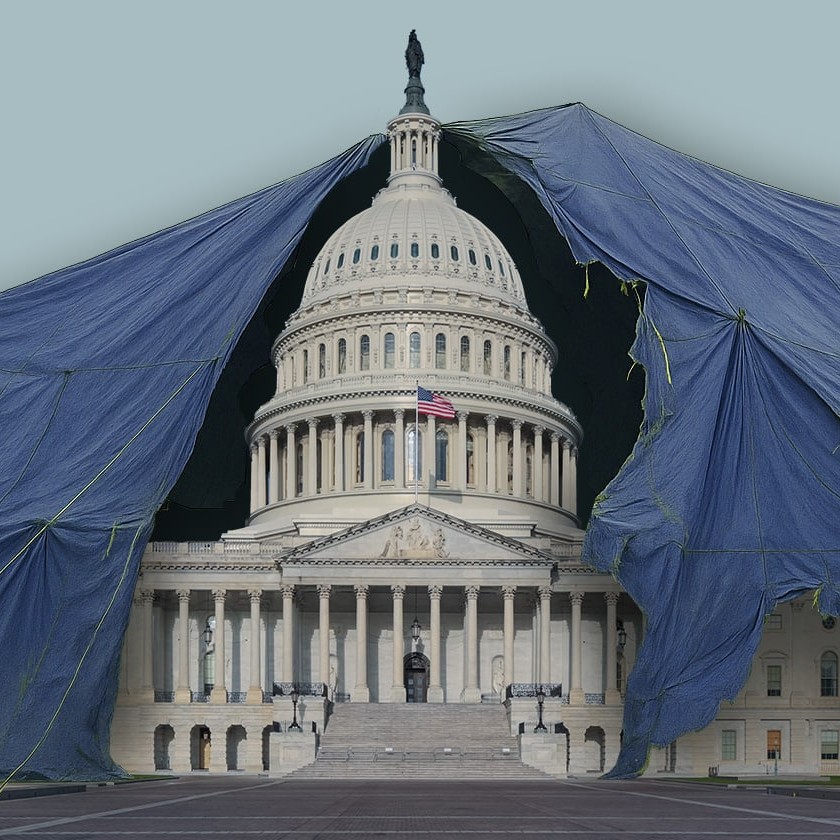
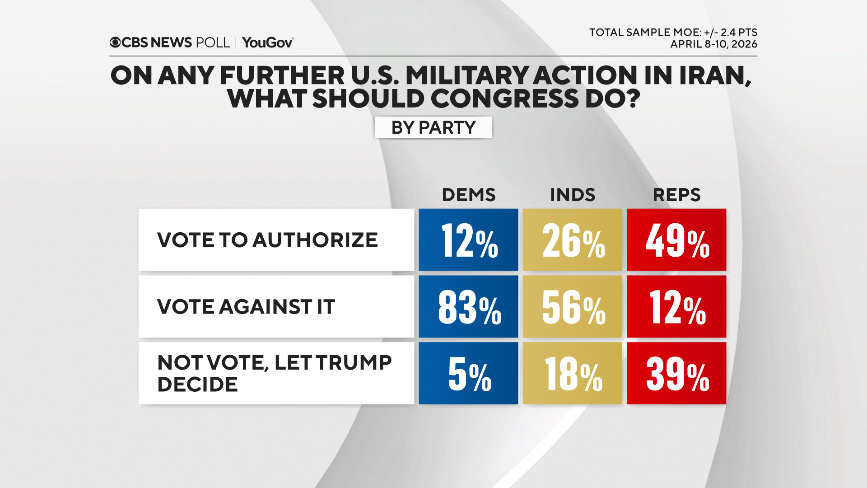
Looking ahead to Congress’s return, most Democrats and independents in the poll want lawmakers to vote against authorizing any further military action in Iran. Most Republicans, who broadly approve of the war, either want Congress to vote to authorize it or prefer to leave decisions on military action to President Trump.
What It Means for You
Public opinion like this can shape how long the war continues, how far it expands, and how willing Congress is to endorse new military operations. Lawmakers and the White House will be watching whether voters grow more supportive, stay skeptical, or turn more strongly against further action.
For households, the link between Iran, oil markets, and gas prices may be the most immediate impact. Changes in the conflict or in U.S. policy could affect energy prices, which in turn influence views of the broader economy heading into a politically sensitive period.
How much do you think public concern about goals, costs, and clarity should influence leaders’ decisions on military action abroad?
Sources
CBS News/YouGov national poll on the Iran war and U.S. politics, reported April 12, 2026; CBS News summary and graphics of poll findings on public views of the Iran conflict, President Trump’s leadership, and gas prices, April 2026.