Why This Matters
A 74-year-old woman from rural Wales has been left with lasting brain damage after developing encephalitis, a serious brain inflammation, linked to the common cold sore virus. Her story, reported by BBC Wales, underscores how a virus many people carry from childhood can, in rare cases, trigger life-changing illness.
The virus involved, herpes simplex virus type 1 (HSV-1), is best known for causing cold sores around the mouth. The World Health Organization estimates it affects about two-thirds of the global population under 50, usually with mild or no symptoms. Yet when HSV-1 reaches the brain, it can cause herpes encephalitis, a medical emergency that is often fatal if not treated quickly.
Encephalitis, which can be caused by several viruses or by the immune system attacking the brain, is considered uncommon but serious. Campaigners say it affects an estimated three people every minute worldwide, and about one in five cases can be deadly. Despite this, awareness remains low, with advocacy groups reporting that most people do not know what encephalitis is or how it presents.
Key Facts and Quotes
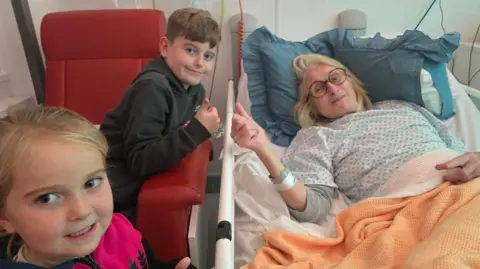
According to the BBC report, Helen Edwards initially thought she had a bad case of flu. Instead, she spent 12 weeks in the hospital, where doctors diagnosed encephalitis caused by HSV-1. Before she fell ill, Edwards, who lives near Aberystwyth in west Wales, was active and independent, swimming in the sea and walking her dog every day.

Her daughter, Jane Richards, told reporters the illness has profoundly changed her mother’s life and memory. Edwards now struggles to form new memories and to recognize familiar surroundings. “When she returned to her home, she no longer recognized it and could not navigate familiar spaces, even forgetting routes between rooms,” Richards said, adding that her mother has gone from self-sufficient to heavily reliant on family support.
Health agencies say herpes encephalitis typically develops when the virus, which often lies dormant in nerve cells, travels to the brain. Standard treatment involves intravenous antiviral drugs given as soon as possible, often in an intensive care setting. Even with treatment, many survivors are left with some degree of cognitive, memory, or movement difficulties and may need long-term rehabilitation.
Patient organizations and neurologists warn that encephalitis remains under-recognized both by the public and sometimes in its early stages in clinical settings. Common early symptoms can look like the flu: fever, headache, and fatigue. But the U.S. Centers for Disease Control and Prevention notes that sudden confusion, personality changes, seizures, difficulty speaking, or weakness on one side of the body are red flags that require urgent medical evaluation.
What It Means for You
For most people who carry HSV-1, the risk of developing encephalitis is very low, and many never experience more than occasional cold sores. Still, experts emphasize that knowing the warning signs of encephalitis and seeking prompt care if severe neurological symptoms appear can make the difference between recovery and permanent disability or death.
Public health agencies and advocacy groups urge people to take persistent or rapidly worsening “flu-like” illness seriously when it is accompanied by confusion, seizures, or major behavioral changes. They also stress the value of routine vaccination against other viruses that can cause encephalitis, such as measles and certain mosquito-borne infections, and of supporting caregivers who help survivors live safely and independently after brain injury.
How familiar were you with encephalitis and its warning signs before reading about this case?
Sources
BBC News report by Eleri Griffiths, BBC Wales, April 2026; World Health Organization, fact sheet on herpes simplex virus type 1 (HSV-1), 2020; U.S. Centers for Disease Control and Prevention, encephalitis information and clinical overviews, reviewed 2024; Encephalitis International, public awareness and statistics materials, accessed April 2026.