Why This Matters
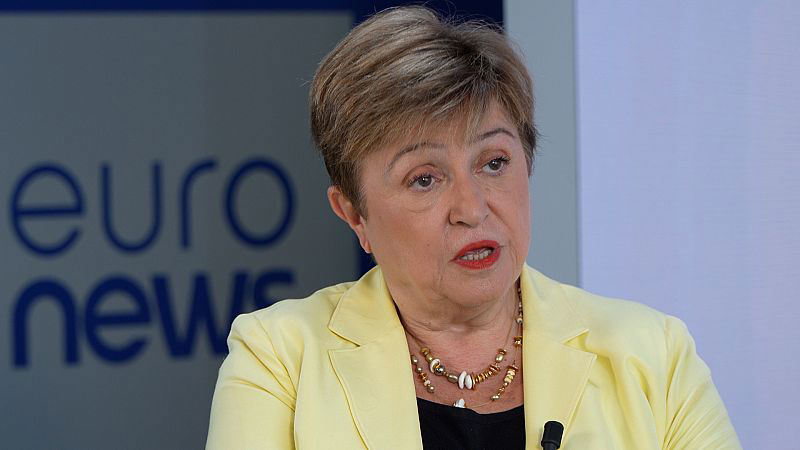
The head of the International Monetary Fund, Kristalina Georgieva, is using a new television interview to connect conflict involving Iran, energy prices, and rising tariffs to the health of the global economy. Her comments come as growth remains modest and many countries are still working through the aftershocks of the pandemic and inflation surge.
The IMF helps set the tone for how governments and central banks think about risk. When its managing director flags regional conflict or trade tensions, that signals to policymakers, investors, and households to prepare for possible swings in fuel costs, interest rates, and job markets.
In recent forecasts, the IMF has warned that global growth is likely to hover around 3% in the coming years, below the pre-COVID-19 average. That means any new shock from war in the broader Middle East, energy disruptions, or tit-for-tat tariffs could have an outsized effect on an already fragile recovery.
Key Facts and Quotes
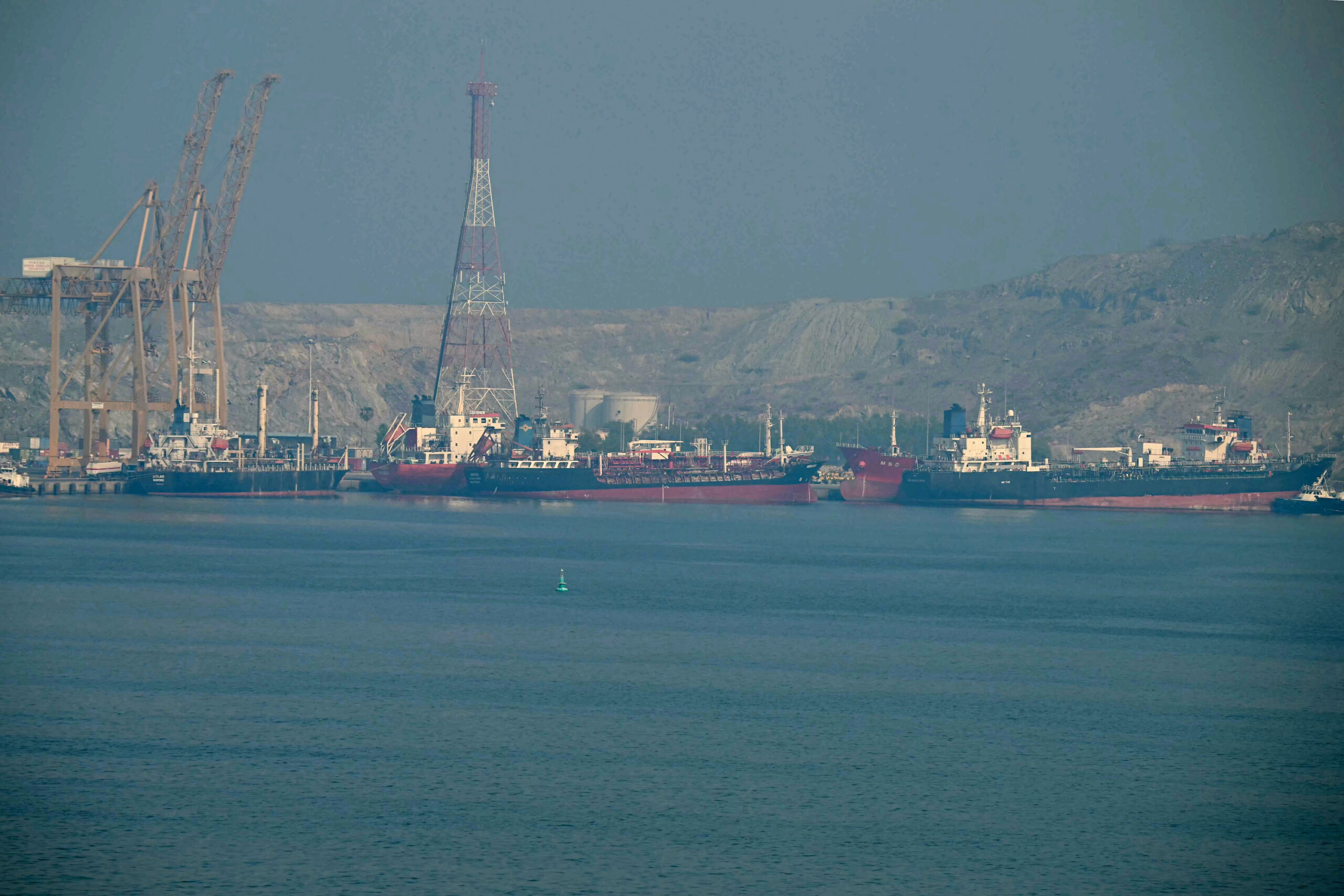
According to CBS News, Georgieva used the interview to discuss how conflict involving Iran could spill over into the world economy, mainly through higher energy prices and shaken investor confidence. Escalation in a region that supplies a large share of the world’s oil and gas can raise shipping, insurance, and fuel costs far beyond the immediate war zone.
The IMF has repeatedly noted that previous energy shocks have tended to push inflation higher while slowing growth. That can put central banks, including the Federal Reserve, in a difficult position: raising interest rates to fight inflation risks further weakening growth, while cutting rates too quickly risks letting prices surge again.
Georgieva has also been warning about what she calls a more fragmented world economy, where competing blocs rely less on each other for trade and finance. In earlier remarks on the global outlook, she said, “The global economy is limping along, not sprinting,” and cautioned that policy choices on trade and tariffs will determine whether that limp becomes more severe.
IMF staff research has found that broad trade fragmentation, including extensive new tariffs, could eventually reduce global economic output by as much as 7%. In the interview, Georgieva was expected to link that analysis to current tariff disputes, including tensions between the United States and major trading partners such as China and the European Union, and to stress that higher barriers tend to raise costs for businesses and consumers.
What It Means for You
For U.S. households, these issues are most evident in everyday prices. A worsening conflict involving Iran could push up gasoline and home-heating costs and make air travel more expensive. If inflation stays higher for longer, the Federal Reserve may keep interest rates elevated, affecting mortgages, credit cards, and auto loans.
Tariffs can also influence the price of imported goods, from electronics to cars, and can invite retaliation that hurts American exporters. Georgieva’s latest comments suggest that ordinary consumers, retirees, and investors should watch developments in the Middle East, changes in tariff policy, and new statements from the IMF and the Federal Reserve, as these factors together will shape the path of inflation, growth, and financial markets.
How much do you think conflicts abroad and tariff disputes at home influence the financial decisions you make for your family or retirement?
Sources
CBS News video description and segment summary for “IMF chief Kristalina Georgieva on Iran, energy, tariffs”; IMF Managing Director Kristalina Georgieva’s speeches on the global economic outlook, 2023-2024; IMF World Economic Outlook, April 2024; IMF staff note on geoeconomic fragmentation and long-term output losses, 2023.