Why This Matters
The safe return of NASA’s Artemis II crew marks the first human voyage beyond low Earth orbit since the Apollo era, according to the agency. The mission’s splashdown in the Pacific Ocean off San Diego caps a high-stakes test of the hardware and procedures meant to carry people back to the lunar surface.
Artemis II is designed as a proving ground for the Space Launch System rocket and the Orion spacecraft, the core of NASA’s new exploration program. Lessons from this loop around the Moon will shape how astronauts live, work, and stay safe on longer missions deeper into space.
The flight also highlights a broader shift in space exploration. Artemis is built on international partnerships and commercial contracts, with Canada and other allies contributing astronauts and technology. That shared approach contrasts with the Cold War competition that defined the Apollo landings in the late 1960s and early 1970s.
Key Facts and Quotes
The four-person Artemis II crew splashed down in the Pacific Ocean near San Diego on Friday, ending their historic trip around the Moon, CBS News reported. Recovery teams reached the capsule shortly after it landed, following standard procedures to secure the spacecraft and assist the astronauts.
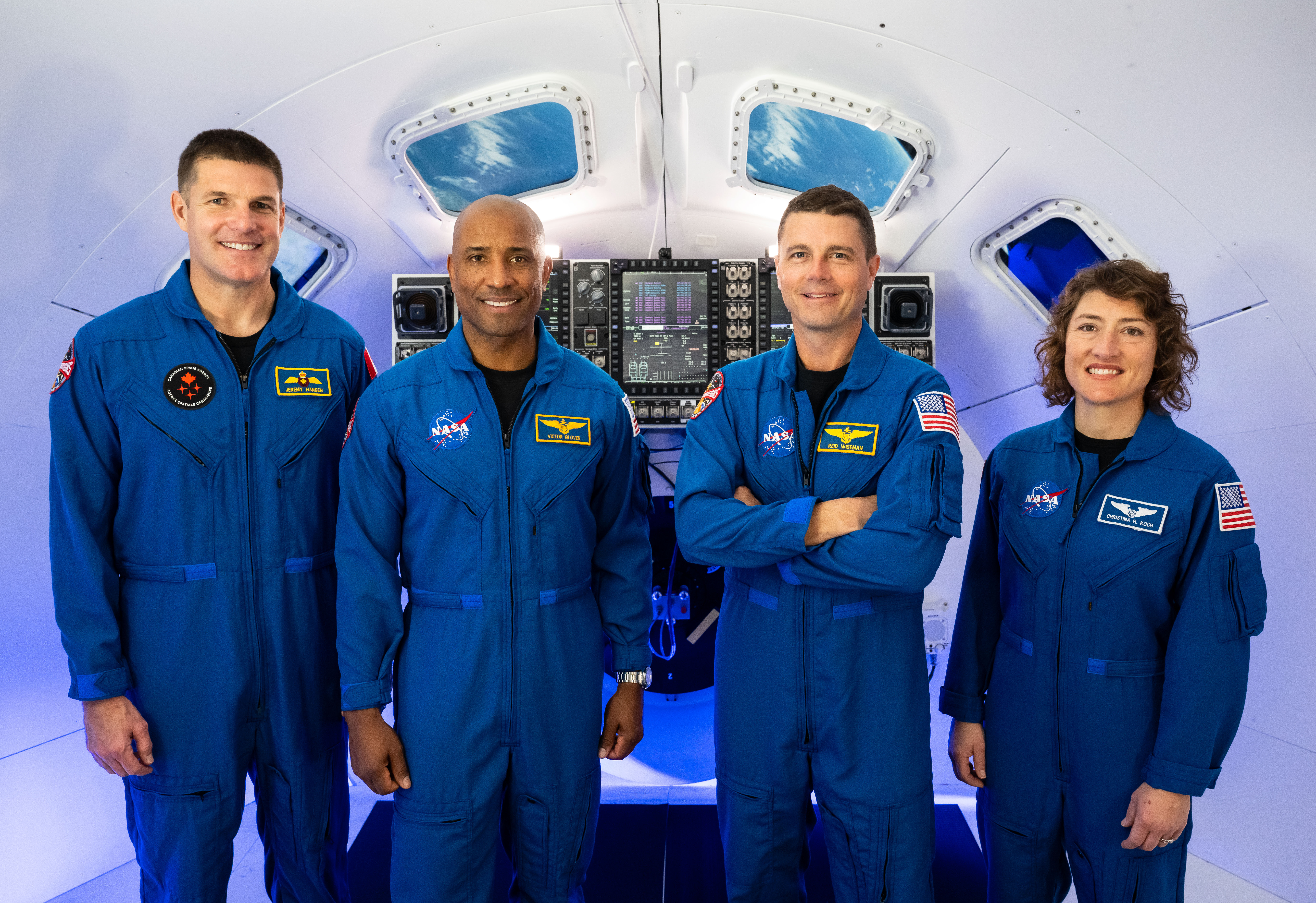
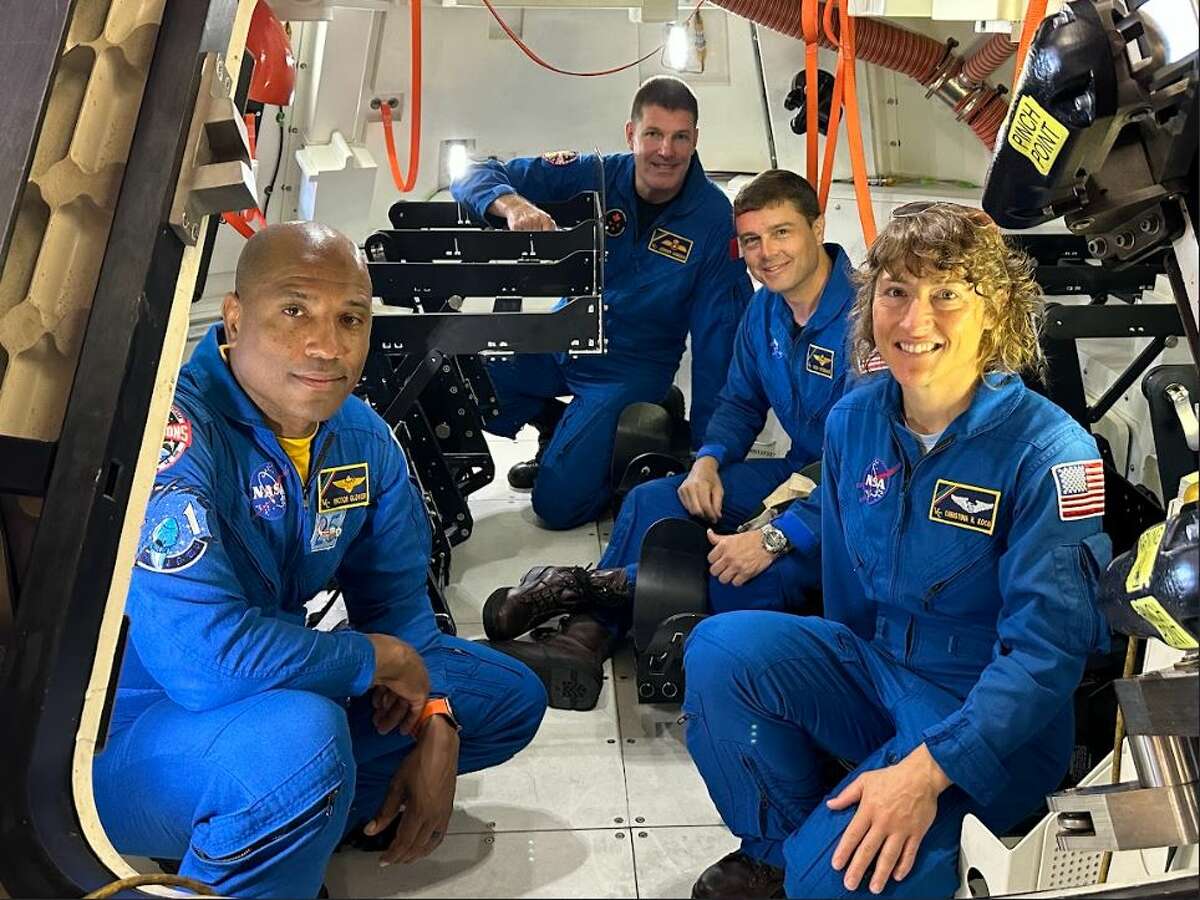
The crew included NASA astronauts Reid Wiseman, Victor Glover, and Christina Koch, along with Canadian Space Agency astronaut Jeremy Hansen. They launched atop the Space Launch System from NASA’s Kennedy Space Center in Florida, then rode Orion on a long, looping path around the Moon before heading back to Earth.
NASA has said Artemis II was primarily a test of Orion’s life-support systems, navigation, communications, and performance with people on board in deep space. Engineers will now study detailed data from every phase of the mission, from launch and lunar flyby to reentry and splashdown, to confirm the system is ready for a lunar landing attempt.
When NASA announced the crew in 2023, Administrator Bill Nelson called them a symbol of global cooperation, saying, “This is humanity’s crew,” underscoring the program’s international character. Hansen’s seat on Artemis II comes through a long-standing partnership between NASA and the Canadian Space Agency, which is contributing robotics and other technologies to the Artemis program.
What It Means for You
A successful Artemis II flight strengthens the case for continuing U.S. investment in human deep-space exploration. In practical terms, the technologies being tested-from advanced life-support systems to heat shields and materials-often find uses back on Earth, including in medicine, computing, and manufacturing.
For the public, the next milestone will be Artemis III, planned as the first mission in more than half a century to land astronauts on the Moon, including the first woman and the first person of color, according to NASA. The timing and details of that mission will depend on how smoothly post-flight reviews of Artemis II go and how future funding and policy debates unfold in Washington.
What do you think should be the main goal of returning humans to the Moon: science, economic opportunity, national prestige, or something else entirely?
Sources
CBS News video segment “9 highlights from Artemis II’s historic journey around the moon,” Space section; NASA Artemis II mission overview, fact sheets, and press releases, 2022-2024; NASA historical materials on Apollo-era lunar missions, accessed via agency archives.