Why This Matters
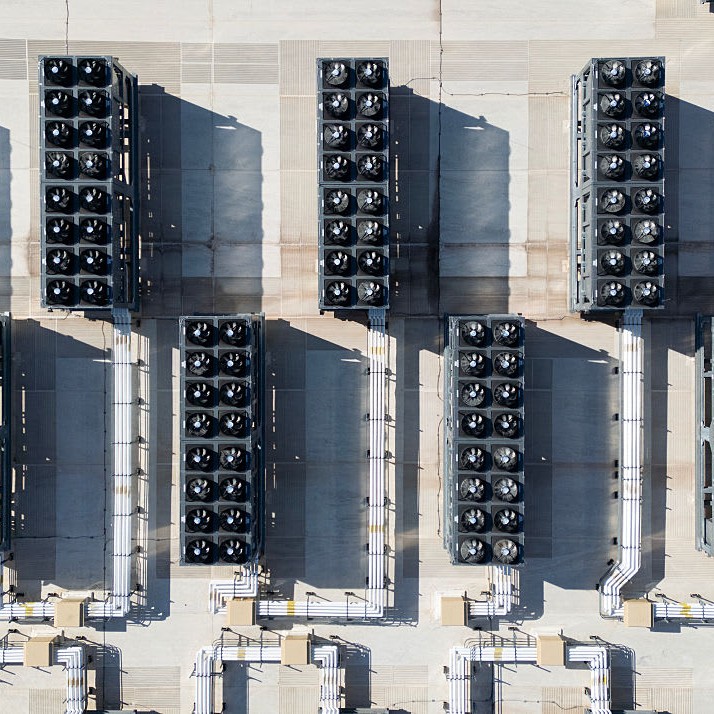
Across the United States, the rapid growth of artificial intelligence is fueling a building spree of data centers – the vast warehouses of computers that process and store digital information. These facilities need large amounts of land, water, and electricity, bringing big promises and big worries to the communities where they are located.
Archbald, a former coal town of about 7,000 people in northeastern Pennsylvania, is one example of how this boom is colliding with local life. Residents there are weighing national ambitions for technological leadership against concerns over rising power bills, environmental impacts, and the character of their hometown.
Data centers already account for a noticeable share of U.S. electricity demand, according to federal energy estimates, and industry analysts expect usage to climb as AI expands. Supporters point to tax revenue and construction work, while critics question whether long-term jobs, strong regulations, and protections for water and air will keep pace with the growth.
Key Facts and Quotes
In Archbald, at least a half-dozen data centers have been proposed, including a large campus with 18 facilities, according to a CBS News report. Local residents and neighbors, including Kayleigh Cornell, a teacher, and Sarah Gabriel, an ICU nurse, help lead a neighborhood association that is pressing for tighter oversight or outright rejection of some projects.
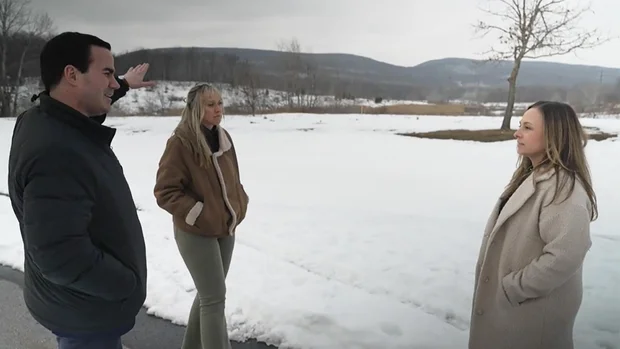
They worry about clear-cut land, higher electric rates, and the loss of small-town identity. “It’s gonna just completely change the landscape. Anywhere there are trees, there’s probably not going to be any any longer,” Gabriel said. Cornell added that the buildout would be “intrinsically changing the character of Archbald Borough,” and said, “We’ll stop it if we could help it.”
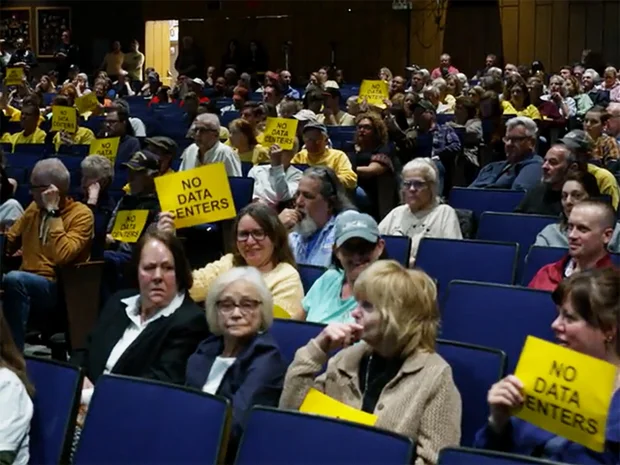
Tensions flared at a March 10 borough meeting, where many residents held signs reading “No data centers” and shouted at company representatives to “get out of here,” the report said. Opposition has already slowed at least one major project, and local political leadership has begun to shift as the issue dominates town debates.
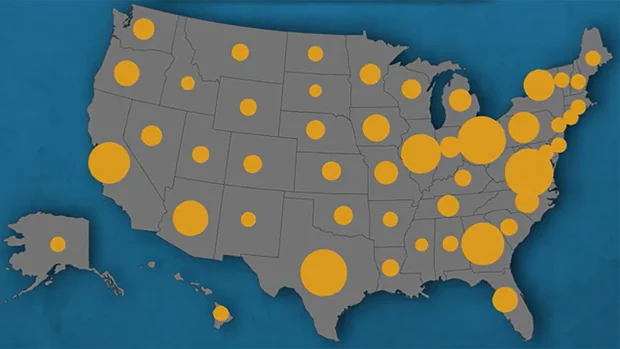
Nationwide, there are already more than 4,000 data centers in operation, with a heavy concentration in Loudoun County, Virginia, often called “Data Center Alley.” Andy Power, CEO of global operator Digital Realty, said the sector is worth hundreds of billions of dollars and underpins “the breakthroughs that cure new diseases” and “improve quality of life.” Asked about local resistance, he said he understands the concerns but argues the infrastructure “is gonna help change the world you’re living in today and for years to come.”
The political fight is now reaching Washington. Vermont Senator Bernie Sanders and New York Representative Alexandria Ocasio-Cortez, both critics of unchecked AI expansion, have proposed the Artificial Intelligence Data Center Moratorium Act, which would pause new construction until stricter federal rules are in place. “I fear that Congress is totally unprepared for the magnitude of the changes that are already taking place,” Sanders said. President Trump and many Republicans take the opposite view, calling data centers vital to economic growth. Pennsylvania Senator Dave McCormick, a Republican who has pushed for projects in his state, describes American leadership in AI as “the most important question facing our country” and says there must be a “covenant” with communities covering job creation, environmental safeguards, and energy and water protections.
What It Means for You
For residents, the latest update from places like Archbald is a sign that similar disputes may surface closer to home. Proposed data centers often come with public hearings on zoning, local tax breaks, and utility upgrades. Paying attention early – to rate cases, environmental reviews, and what companies promise in writing – can shape whether projects feel like a burden or a benefit.
Nationally, decisions on AI rules, energy standards, and siting requirements could influence where future data centers are built and who bears the costs. As Congress debates a possible moratorium and states consider their own regulations, outcomes will affect electricity demand, water use, and job growth for years. Watching how these local and federal debates unfold can help communities prepare for the next wave of AI-related development.
How should communities balance the push for AI-driven economic growth with long-term concerns about energy, water, and local quality of life?
Sources
CBS News report by Robert Costa on data centers and Archbald, Pennsylvania, April 12, 2026; U.S. Department of Energy background materials on data center electricity use, 2023; Industry analysis and data center counts from Uptime Institute, 2023.