Why This Matters
NASA’s Artemis II crew has returned from a record-setting trip around the moon, and the agency is now shifting focus to Artemis III, a crucial test mission planned for next year. The move signals that the United States is serious about returning humans to the lunar surface and eventually building a long-term presence there.
This new phase of moon exploration comes more than 50 years after the last Apollo landing. Artemis missions are designed not just for brief visits, but as stepping-stones toward a sustained lunar base and, eventually, human missions to Mars. What happens over the next few years will shape how quickly that future arrives.
Artemis II also marked a cultural turning point. The crew included the first woman, the first person of color, and the first non-U.S. citizen to fly to the vicinity of the moon, reflecting a more diverse and international approach than the Apollo era. That broader participation is likely to influence how the benefits and symbolism of lunar exploration are shared.
Key Facts and Quotes
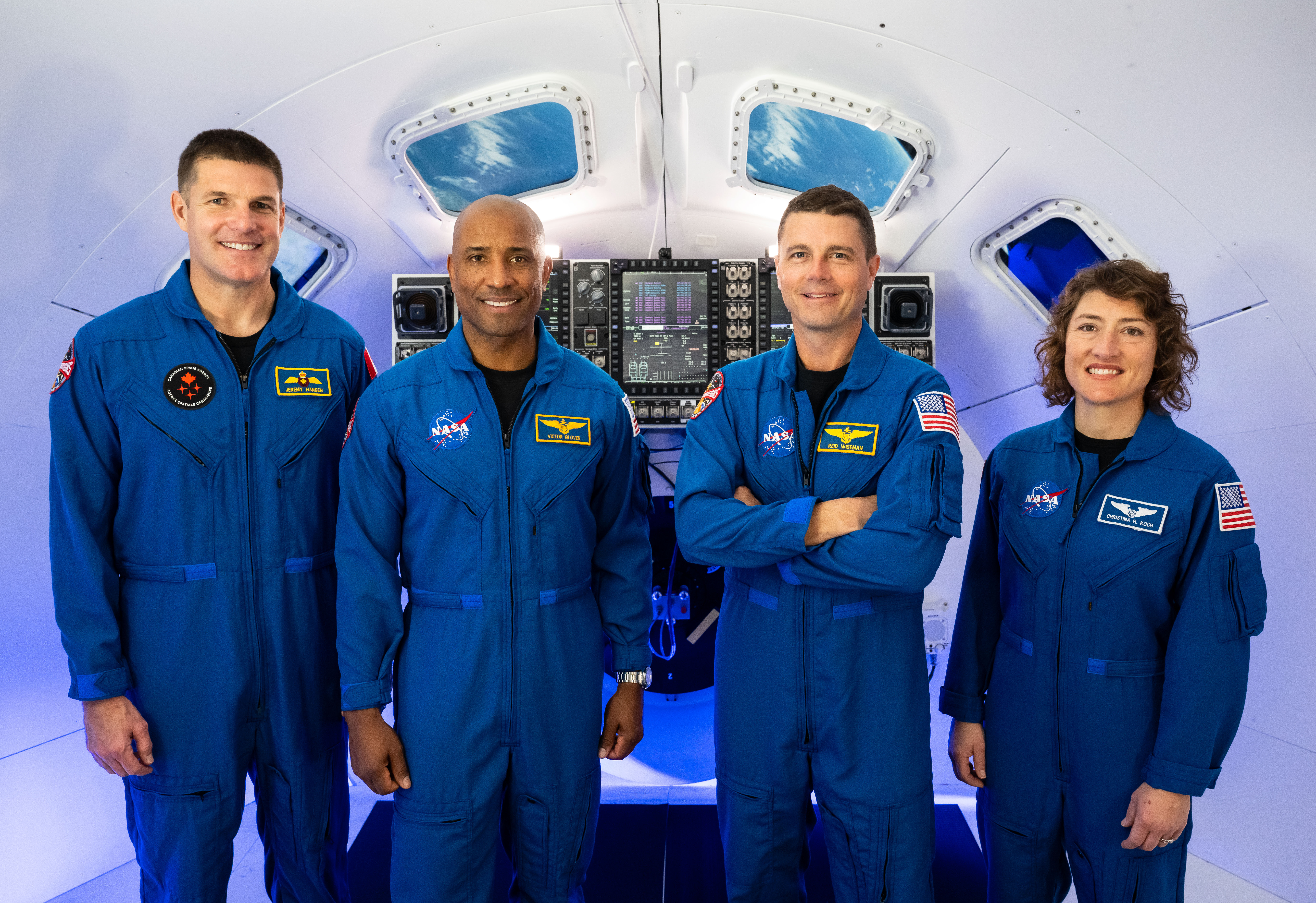
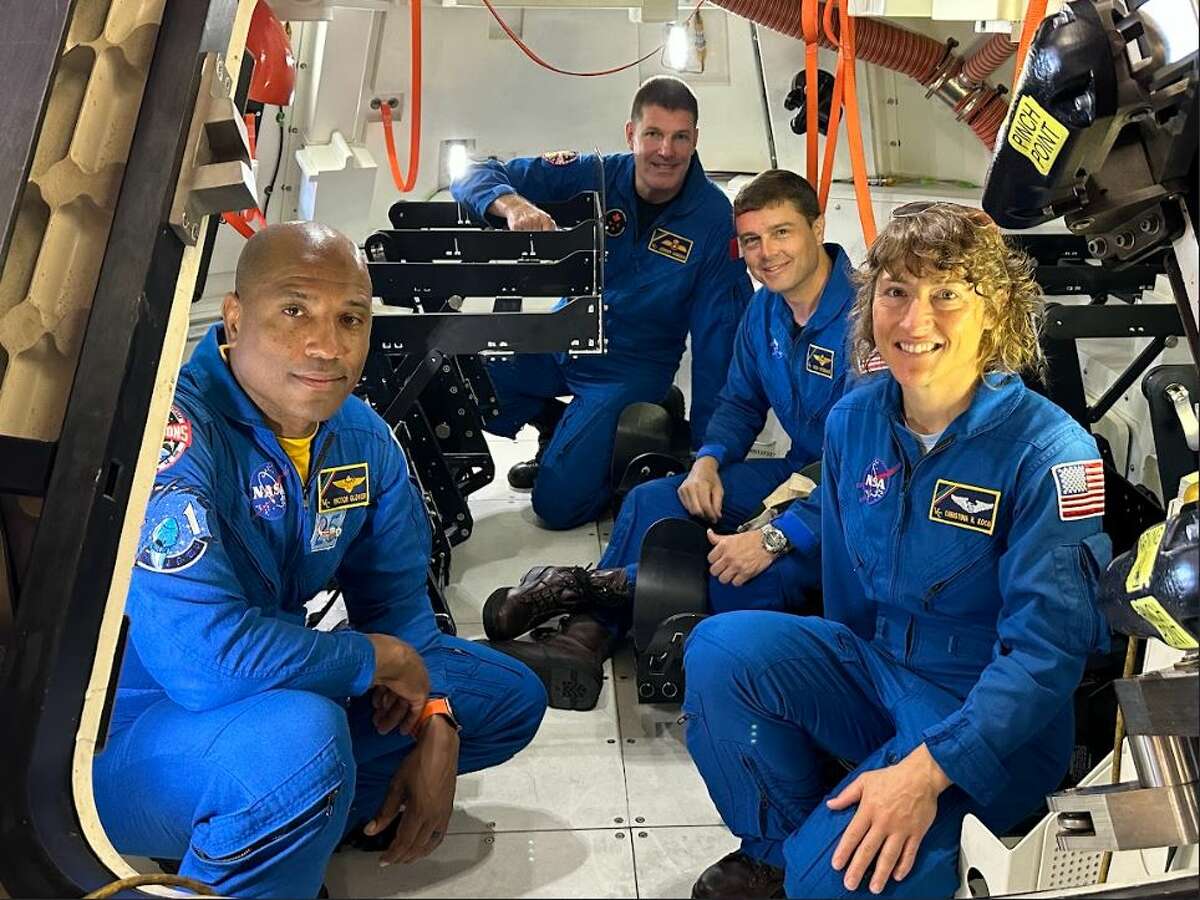
During their nearly 10-day flight, Artemis II astronauts Reid Wiseman, Victor Glover, Christina Koch, and Canadian astronaut Jeremy Hansen looped around the moon, capturing first-time views of its far side and a total solar eclipse from deep space. NASA said the mission set a new distance record for humans. At a jubilant homecoming in Houston, NASA Administrator Jared Isaacman told the crowd, “To people all around the world who look up and dream about what is possible, the long wait is over.”
The crew shared personal and emotional moments during the journey. They tearfully asked that a bright new lunar crater be named for Wiseman’s late wife, Carroll, who died of cancer in 2020, and spoke about Earth as a fragile “oasis” needing better care. Isaacman praised them as “wonderful communicators, almost poets,” a sharp contrast with the more reserved Apollo-era astronauts.
With Artemis II complete, NASA is preparing Artemis III as a close-to-home rehearsal. According to mission officials, astronauts will practice docking their Orion spacecraft with a lunar lander or with two lunar landers in Earth orbit. Entry flight director Rick Henfling said after splashdown, “The next mission’s right around the corner.” NASA has promised to name the Artemis III crew “soon,” and says the mission is meant to reduce risk for later moon landings.
Two private companies are central to the next steps. SpaceX’s Starship and Blue Origin’s Blue Moon lander are competing to support the Artemis program, including the Artemis IV moon landing planned for 2028. The docking mechanism for Artemis III’s trial is already at Kennedy Space Center in Florida. A new Starship test flight from South Texas and a scaled-down Blue Origin Moon test landing are expected this year. The favored landing zone is the moon’s south polar region, where ice in permanently shadowed craters could provide water and rocket fuel for a future base that Isaacman has envisioned costing $20 billion to $30 billion. NASA Associate Administrator Amit Kshatriya said of sending crews to the moon, “It’s going to take risk to explore, but you have to make sure you find the right line between being paralyzed by it and being able to manage it.”
What It Means for You
For U.S. taxpayers and space watchers, Artemis is about more than planting flags. The program is expected to drive new technology in areas like materials, robotics, communications, and life support, which can filter into everyday products and industries. It also strengthens a fast-growing commercial space sector that already launches satellites, carries cargo, and sends private crews into orbit.
The next few years will reveal whether NASA and its partners can meet ambitious timelines and manage the inherent risks of deep-space flight. Former Apollo 9 astronaut Rusty Schweickart has called testing lunar hardware in Earth orbit “a test pilot’s dream,” while author Andy Chaikin described watching Artemis as like waking from a “54-year nap.” As Artemis III approaches, the public will be watching crew selections, test flights, and how NASA balances bold exploration with safety and cost.
As the United States moves from Artemis II’s flyby to Artemis III’s test mission, what aspects of this new era of moon exploration matter most to you: scientific discovery, national prestige, technological spinoffs, or something else?
Sources
Associated Press report by Marcia Dunn, published by PBS NewsHour, April 12, 2026; official NASA Artemis program statements and background materials, accessed April 2026.