Why This Matters
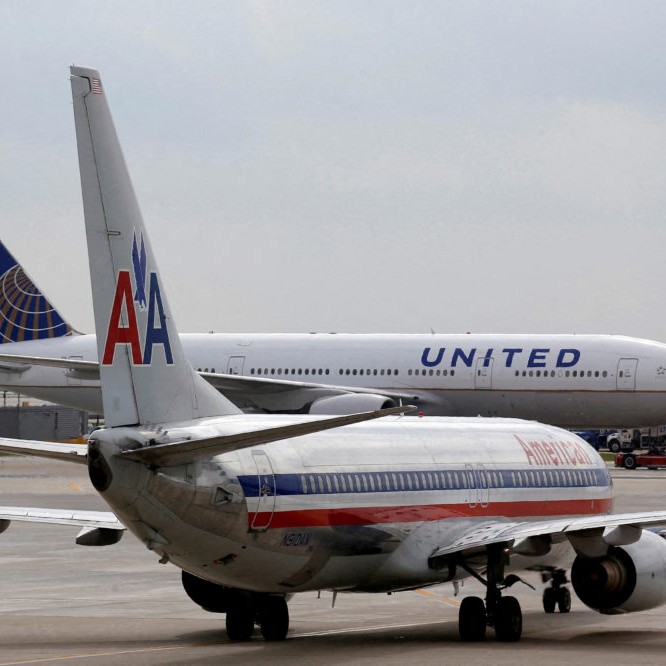
Airlines across the globe are canceling or trimming flights as the war in the Middle East disrupts jet fuel supplies and drives up prices. Many of these cuts are being announced weeks ahead of time, just as summer travel demand builds and large events like the World Cup are expected to pack airports.
For travelers, the fallout is practical and immediate: Will your trip still happen? If not, who pays for the change? The answer depends heavily on where your journey starts, which airline you fly, and which country’s consumer protection rules cover your ticket.
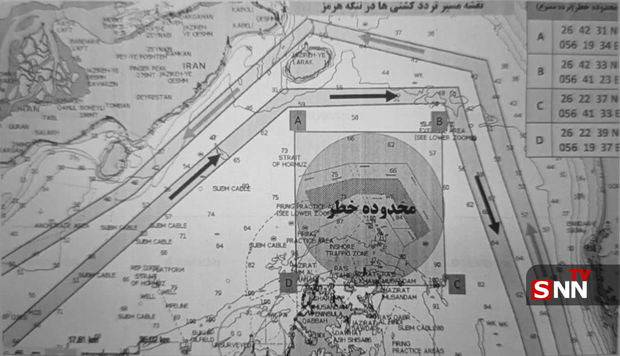
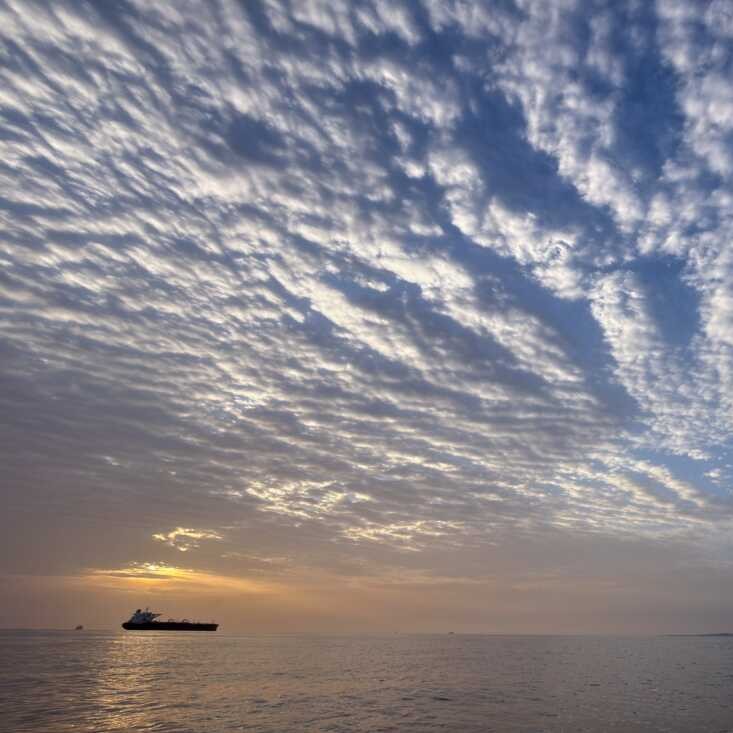
The situation also shows how closely air travel is tied to energy markets and geopolitics. A recent expert interview described the standoff near the Strait of Hormuz, a critical oil shipping lane, as the “largest supply shock” ever experienced, underscoring how quickly fuel disruptions can reshape airline schedules and family budgets.
Key Facts and Quotes
Many fuel-related cancellations are not last-minute. Lufthansa Group, the German-based airline company, said it will cut about 20,000 short-haul flights across its network through October, citing supply and cost pressures. Announcing changes this far ahead gives passengers more time to adjust than the day-of cancellations common with severe weather.
If your flight is canceled, travel-security specialist Tyler Hosford of International SOS advises starting with the airline’s app or website, especially for U.S. carriers that have strong digital rebooking tools. For many non-U.S. airlines, however, travelers may still need to combine online options with phone support or airport customer-service counters to secure a workable new itinerary.
Under U.S. rules, if an airline cancels your flight and you choose not to travel, you are entitled to a refund for the ticket and unused extras, such as checked bag fees or seat upgrades. That obligation applies regardless of the reason for the cancellation. Protections differ elsewhere: the European Union and United Kingdom generally require airlines to provide care, rebooking, and, in some cases, cash compensation when disruptions fall within a carrier’s control.
“While airlines are citing fuel shortages as a reason for upcoming cancellations, travelers need to know that this does not automatically waive their rights” under EU law, said Eric Napoli, chief legal officer at AirHelp, a firm that supports passengers seeking compensation. He noted that airlines in the bloc still have a “duty of care,” meaning they must offer “necessary support” such as rebooking and basic assistance when trips are disrupted.
What It Means for You
Before you travel, experts suggest checking which country’s rules apply to each leg of your journey and searching the country name plus “air passenger rights” for plain-language summaries. Booking directly with the airline, signing up for flight alerts, and identifying backup routes or nearby airports in advance can make it easier to pivot if your original plans fall through.
If your flight is canceled and you plan to seek a refund or compensation, documentation is key. Save boarding passes, receipts, cancellation notices, and screenshots of app or website updates, and ask the airline for written confirmation stating why your flight was disrupted. When rebooking, compare other flights and routes before accepting the first offer; you can also request a refund and book a different carrier yourself, though you may need to cover any price difference.
How much protection do you think air travelers should have when global events disrupt flights, and what trade-offs with ticket prices would you personally accept?
Sources
Associated Press reporting via PBS NewsHour on fuel-related flight cancellations and passenger rights, April 25, 2026; on-record statements from Eric Napoli, chief legal officer at AirHelp, and Tyler Hosford, security director at International SOS, as quoted in that report; public comments from Lufthansa Group on planned reductions of 20,000 short-haul flights; recent PBS NewsHour coverage of jet fuel supply disruptions and the Strait of Hormuz standoff.