TL;DR
U.S. immigration agents are using commercial phone-tracking, facial-recognition, and other surveillance tools with limited public oversight, prompting new privacy and civil liberties concerns.
Why This Matters
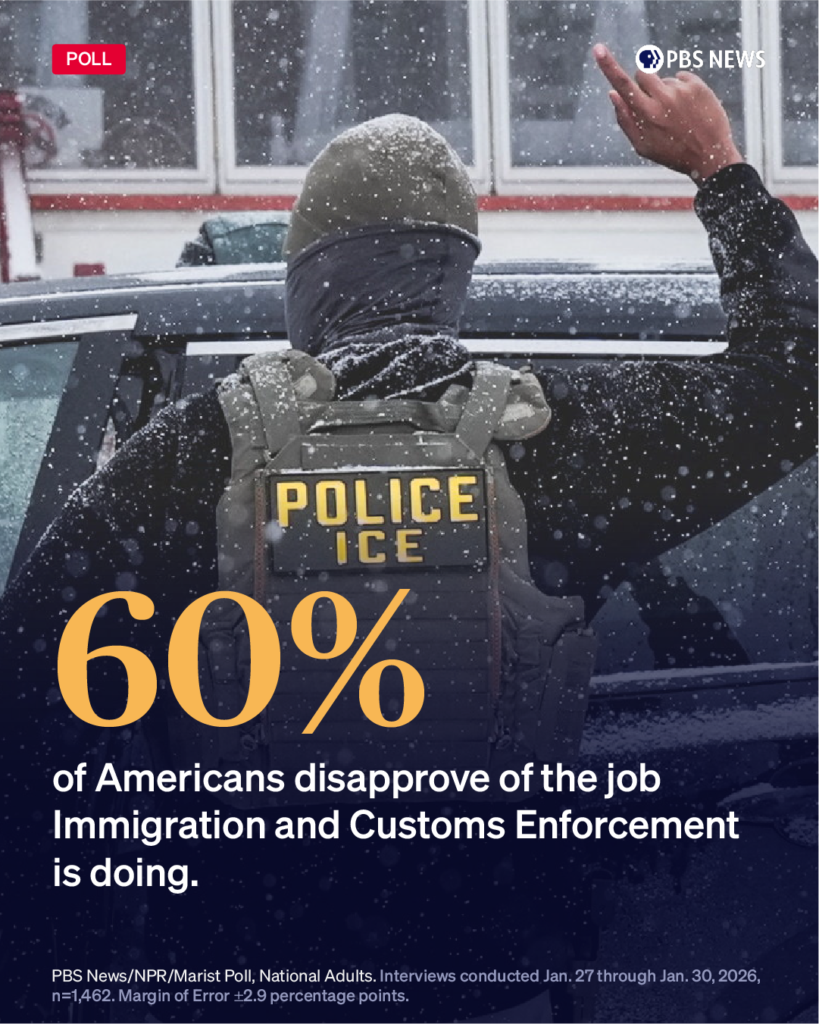
Modern immigration enforcement increasingly relies on digital traces: where phones travel, which apps people use, and what cameras capture in public spaces. As described in a recent PBS NewsHour interview, U.S. Immigration and Customs Enforcement (ICE) has access to tools that can map phones in a neighborhood, follow devices to where people sleep or work, and potentially identify protesters in a crowd.
Supporters argue these technologies can help locate dangerous suspects or dismantle criminal networks. But civil liberties advocates warn that using commercial data and powerful analytics, often without a court order, can sidestep traditional legal safeguards. That risk is heightened for immigrants, communities of color, and people engaged in lawful protest, who may already feel under close scrutiny.
Similar concerns have been raised globally as governments experiment with mass data collection and facial recognition in public spaces. In the United States, lawmakers and courts are still catching up to how old rules about search, seizure, and warrants should apply to phone location data, advertising databases, and social media monitoring. The debate over immigration surveillance is becoming a test case for where those lines will be drawn.
Key Facts & Quotes
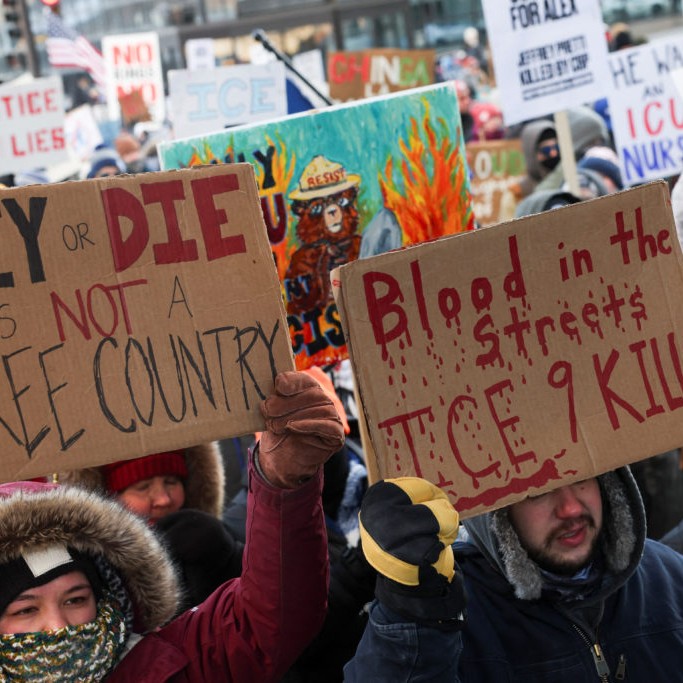
In a PBS NewsHour segment, correspondent William Brangham reported on growing scrutiny of ICE tactics following intense protests over the use of force by agents and fatal shootings that left Renee Good and Alex Pretti dead, according to the broadcast. Alongside those incidents, investigators are focusing on how immigration agents track both suspects and protesters.
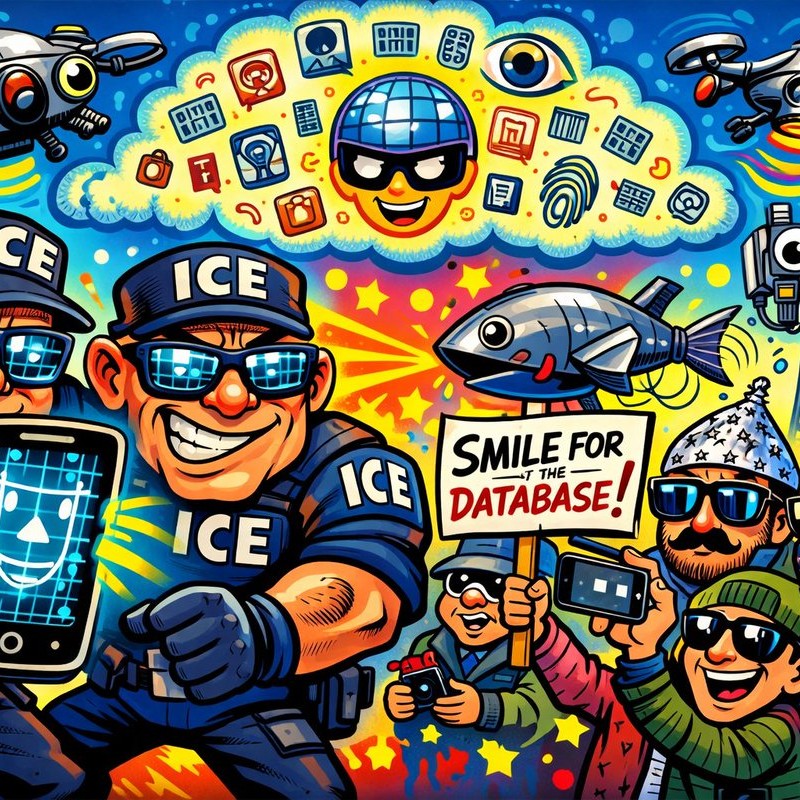
ICE has expanded facial recognition, biometric scanning, phone tracking, and drone surveillance—now used in Minnesota immigration raids and protests. Critics warn of dragnet surveillance of citizens; DHS says it’s about targeting criminals. #Surveillance #FacialRecognition #ICE pic.twitter.com/WGAwdB9wX9
— Matthew Brady (@mattbrady775) January 30, 2026
Joseph Cox, an investigative journalist at 404 Media who has reviewed internal materials, described one tool known as Webloc. He said the software “allows ICE to track the location of mobile phones without a warrant, crucially,” by buying access to commercial data generated by ordinary smartphone apps rather than going directly to phone companies.
According to Cox, Webloc lets agents draw a digital map around a specific area and view phones present there, then follow devices to places they stay overnight or to potential workplaces. Marketing materials for the tool, he noted, have suggested it could be used to monitor mass protests such as Black Lives Matter demonstrations. How ICE uses the system in practice, and whether it consistently seeks warrants for more invasive techniques like phone spyware, remains unclear.
The PBS segment also highlighted other surveillance methods reportedly available to immigration authorities, including facial detection apps and databases, cell-site location tools that can pinpoint phones, and drones used for aerial monitoring. Separate government records and advocacy group filings released in recent years show that the Department of Homeland Security, ICE’s parent agency, has purchased large volumes of smartphone location data from private brokers, prompting internal audits and calls for clearer rules.
What It Means for You
For everyday Americans, this latest update underscores how personal technology can feed into government surveillance, even when people have never been charged with a crime. Location details and other sensitive data often come not from wiretaps or hidden devices, but from the advertising systems inside common apps such as games, social media, or navigation tools.
Privacy experts frequently advise limiting which apps can access location services, turning off ad tracking where possible, and being cautious about free apps that request broad permissions. At the policy level, Congress, state legislatures, and the courts may weigh new rules on when agencies must obtain a warrant to buy or search commercial data, and how long they can keep it.
For those who attend protests, visit sensitive locations like clinics or houses of worship, or work with vulnerable communities, paying attention to digital privacy settings is becoming part of basic safety planning, alongside more traditional precautions.
Question for readers: How should the law balance immigration enforcement and digital privacy when so much personal data is already collected by apps and advertisers?
Sources: PBS NewsHour interview with William Brangham and Joseph Cox, Feb. 4, 2026; 404 Media reporting by Joseph Cox on ICE use of commercial location data, 2023; records obtained by the American Civil Liberties Union on Department of Homeland Security data purchases, 2020-2022; U.S. Government Accountability Office reports on federal agencies’ use of commercial data, 2023.