TL;DR
Israeli strikes in Gaza killed at least 19 people, including infants, despite a U.S.-brokered ceasefire, raising fresh doubts over the viability of the truce and the broader peace plan.
Why This Matters
The renewed strikes in Gaza highlight how fragile the latest U.S.-backed ceasefire remains nearly a year and a half after the war began in October 2023. Each reported violation risks pulling both sides back toward a wider conflict, with civilians again paying the highest price.
For Washington, the incident underscores the limits of diplomatic pressure on close partners and armed groups alike. The United States has invested political capital in a peace plan that is meant to reduce violence, free remaining hostages, and open space for reconstruction and regional talks. Continued bloodshed, especially involving children and medical workers, intensifies global scrutiny of Israel’s military conduct and Hamas’ actions under the truce.
Internationally, the situation feeds broader debates over civilian protection in war, the reliability of local casualty data, and how to enforce ceasefires when neither side fully trusts the other. For families in Gaza and Israel, it prolongs uncertainty over safety, accountability, and what a post-war future might look like.
#JUSTIN: Israeli strikes in Gaza have killed at least 19 Palestinians, most of them women and children, according to hospital officials.
The deaths come despite a ceasefire, as Israel says it is responding to a militant attack on its soldiers, raising fresh doubts over the… pic.twitter.com/gj3FIbXbV7
— India Today Global (@ITGGlobal) February 4, 2026
Key Facts & Quotes
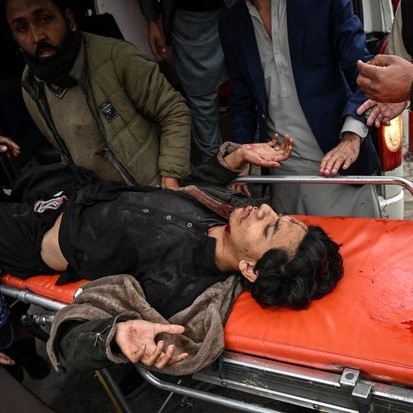
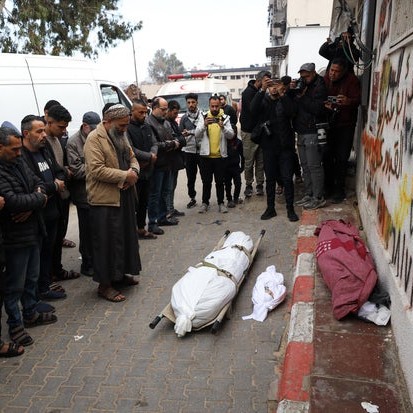
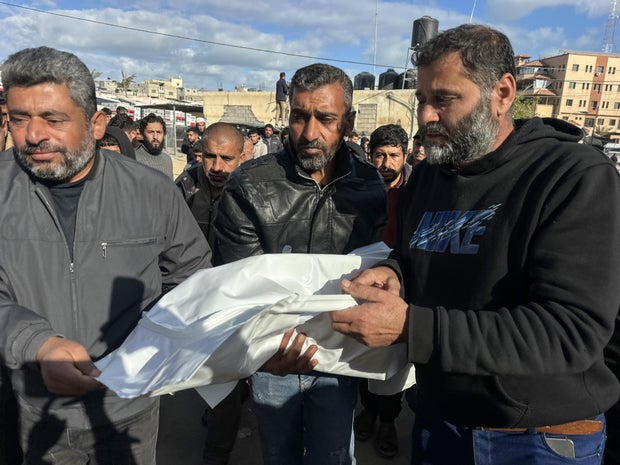
Hospital officials in Gaza said at least 19 Palestinians were killed by Israeli fire on Wednesday morning, most of them women and children. Among the dead were five children, including a 5-month-old and a 10-day-old baby, seven women, and a paramedic, according to medical staff in Deir al-Balah and Khan Younis.
The latest casualties came despite a U.S.-brokered peace plan that brought a ceasefire into effect on Oct. 10, 2025. Since then, at least 556 Palestinians have been killed by Israeli fire, Gaza’s Hamas-run health ministry said, putting Wednesday’s death toll alone at 21. The ministry reports more than 71,800 Palestinians killed since the war began; United Nations agencies and independent experts have previously described the ministry’s casualty records as generally reliable, while noting the true toll is likely higher because many bodies remain under rubble.
The Israel Defense Forces (IDF) accused Hamas militants of a “blatant violation of the current ceasefire agreement” after an alleged attack on Israeli forces in northern Gaza that seriously wounded a reservist. “Upon identification of the fire, IDF armored units and IAF aircraft conducted strikes in the area,” the military said in a statement.
Strikes were reported across the Gaza Strip: at least 11 people from one family were killed in Gaza City’s Tuffah neighborhood, including a 10-day-old girl and her 5-month-old cousin, according to Shifa Hospital. Separate strikes and tank fire in Khan Younis and Gaza City’s Zaytoun area killed at least seven more people, including a 12-year-old boy, a husband and wife, and a Palestinian Red Crescent paramedic on duty, local hospitals and field clinics reported.
The war began after Hamas’ Oct. 7, 2023, attack on southern Israel, which Israeli authorities say killed about 1,200 people and led to 251 hostages being taken into Gaza. Israel disputes the Gaza health ministry’s overall death toll but has not released its own full civilian casualty figures for the enclave.
What It Means for You
For readers in the United States, this latest update in the Israeli-Gaza war affects more than distant headlines. Washington’s backing of Israel, its role in brokering the ceasefire, and its funding for both security and humanitarian aid are likely to remain points of debate in Congress and in the 2026 election cycle.
Ceasefire breaches can slow efforts to release remaining hostages, delay large-scale reconstruction in Gaza, and strain relations between the U.S. and key regional partners such as Egypt, Qatar, and Jordan. They may also influence global energy markets and refugee pressures, which can indirectly affect the broader economy.
For many Americans with family or community ties to Israel and Gaza, continuing reports of civilian deaths deepen grief, anxiety, and political divisions at home. Observers will be watching whether independent investigations are allowed, how strictly the ceasefire terms are enforced, and whether both sides move back toward negotiations or further away from them.
Question for readers: How should international mediators respond when ceasefires are repeatedly tested by deadly incidents like these?
Sources: Original field and hospital accounts in a U.S. broadcast network report (Feb. 4, 2026); prior casualty data assessments and statements from United Nations agencies and independent experts on Gaza (2023-2024); official figures from Israeli authorities on the Oct. 7, 2023, attack (2023).