Why This Matters
The FBI and Justice Department are reworking how they hire and promote employees after a wave of resignations, retirements, and firings thinned their ranks. These agencies investigate terrorism, espionage, organized crime, and public corruption, so their staffing and experience levels touch almost every corner of the justice system.
Critics inside and outside the agencies say the rapid changes risk weakening long-standing standards meant to ensure that agents and prosecutors are rigorously vetted and well-prepared. Supporters argue the moves are overdue updates that cut red tape and help rebuild teams that have been stretched thin.
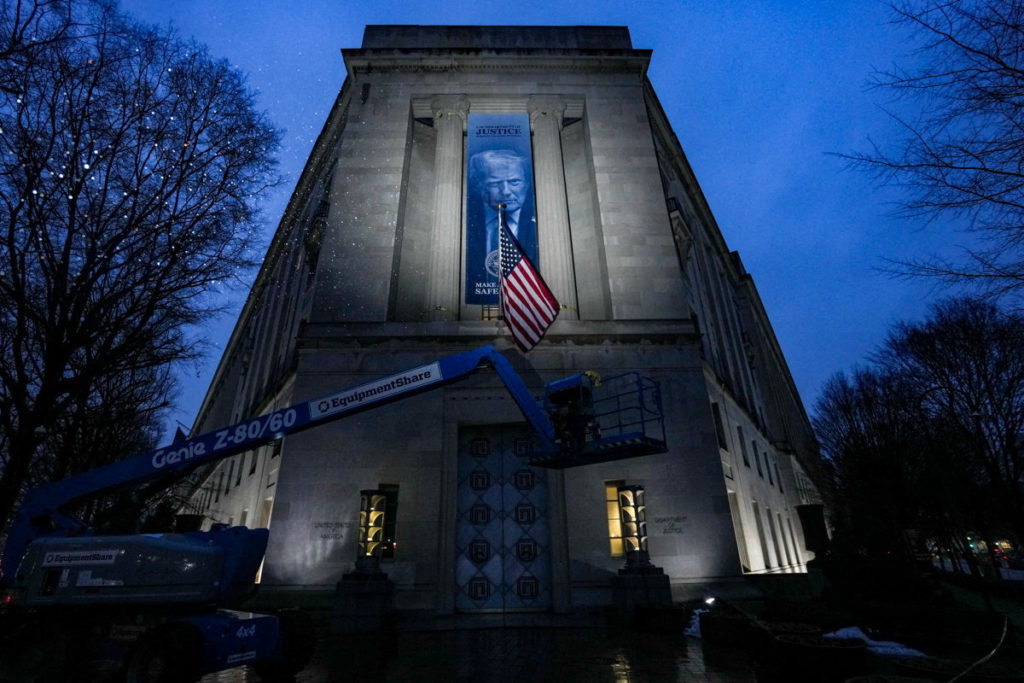
The staffing crunch also sits inside a larger political fight. According to an Associated Press report published by PBS, many departures have been linked to concerns about politicization under the Trump administration and the removal of personnel seen as insufficiently loyal. How the rebuild is handled may shape public trust in federal law enforcement for years.
For everyday Americans, the outcome could influence how quickly cases are brought, how reliably they are built, and how insulated frontline law enforcement remains from partisan pressure.
Key Facts and Quotes
Over the past year, the FBI and Justice Department have faced heavy attrition among agents, prosecutors, and senior leaders, according to people familiar with internal staffing and documents reviewed by the Associated Press. Some of those losses followed concerns about political loyalty tests and the administration’s approach to sensitive investigations.
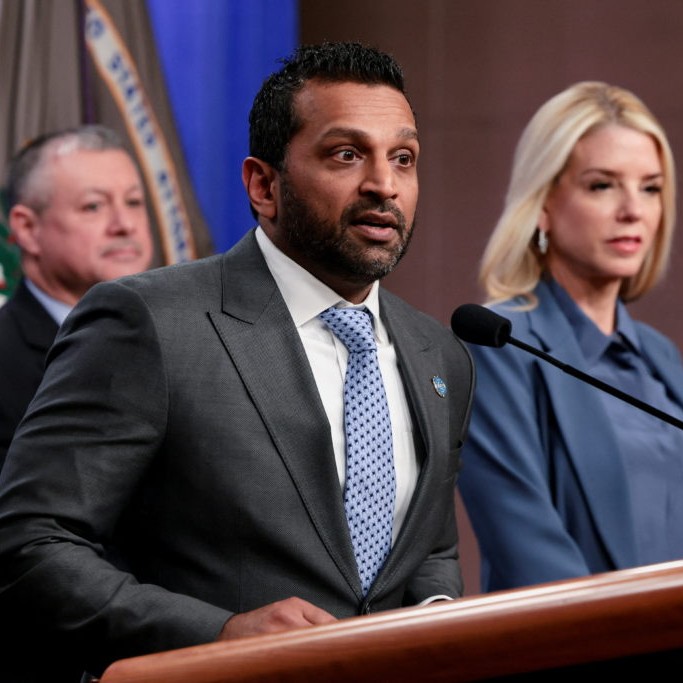
In response, the FBI has launched social media recruiting campaigns, shortened training for some lateral hires, and relaxed certain internal requirements. Under Director Kash Patel, agents transferring from other federal agencies, such as the Drug Enforcement Administration, can now attend a nine-week academy instead of the traditional training of more than four months.
The bureau has also waived the written assessment and the three-agent interview panel for support staff seeking to become special agents, according to people familiar with the changes. The FBI says internal candidates still need a senior leader’s recommendation and must complete training at Quantico. “We are not lowering standards or removing qualifications in any way,” the bureau said, adding that it was removing “duplicative, bureaucratic” steps.
Patel has touted a 112 percent increase in applications and says the FBI has a clear path to add about 700 special agents this year, with one of the largest academy classes in years. Yet some current and former officials quoted in the AP report warn that more applications do not automatically mean enough high-caliber recruits to replace those who have left.
The FBI is also grappling with churn at the top. Several special agents in charge, who lead most of the bureau’s 56 field offices, have been fired or retired, leaving many offices with relatively new leaders. Promotions have been accelerated, sometimes elevating agents without the headquarters experience once seen as essential. “As a field agent, you have a field agent’s mentality,” retired senior executive Chris Piehota said, warning that without headquarters time, leaders may not grasp “the business side of the FBI” or the “political jungle” in Washington.
At the Justice Department, officials recently suspended a policy requiring U.S. attorneys’ offices to hire only prosecutors with at least 1 year of legal practice. The department, which has acknowledged losing nearly 1,000 assistant U.S. attorneys, said it is “proud to empower young and passionate prosecutors” to keep communities safe.
Some units have been hit particularly hard. The Criminal Division’s Violent Crime and Racketeering Section, which handles organized crime and gang cases, is down significantly in lawyers, and a National Security Division section that works espionage cases has reported a 40 percent drop in prosecutors. The department has brought in military lawyers as special prosecutors and used social media to recruit. Former senior official Chad Mizelle urged lawyers on X to contact him if they wanted to become prosecutors, “and support President Trump and anti-crime agenda,” raising concerns about political messaging in career hiring.
What It Means for You
Staffing shortfalls and rapid hiring changes could affect how quickly federal cases move, from drug trafficking and violent crime to corruption and national security investigations. If vacancies linger, backlogs may grow. If new agents and prosecutors arrive with less experience, agencies will be under pressure to ensure training and supervision keep pace.
Americans may see new debates in Congress and in future administrations over how to restore stability, maintain high standards, and keep career law enforcement work separate from partisan loyalty tests. The balance these agencies strike between speed, quality, and independence will shape both safety and confidence in the justice system.
How do you think federal law enforcement should balance faster hiring with the need for experience, independence, and strong professional standards?
Sources
Associated Press reporting published by PBS NewsHour on April 19, 2026; FBI public statements on hiring standards and recruitment, quoted in that reporting; U.S. Justice Department public statements on staffing and hiring policies, quoted in that reporting.