Why This Matters
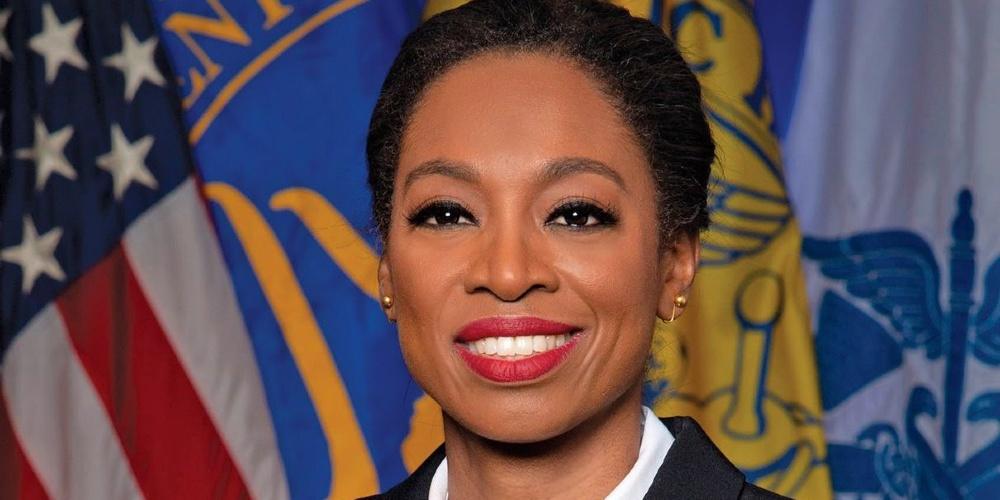
The next director of the Centers for Disease Control and Prevention will help shape how the United States handles vaccines, outbreaks, and future health emergencies. President Trump has nominated Dr. Erica Schwartz to lead the agency, drawing strong praise from former Surgeon General Jerome Adams but also a warning about political pressure.
Adams said Schwartz could face a “real threat” to follow ideology instead of scientific evidence if she is confirmed, pointing to what he called a “vaccine-skeptical” environment at the Department of Health and Human Services under Robert F. Kennedy Jr. His comments highlight continuing tensions over vaccines and public health policy inside the federal government.
Questions about the independence of the CDC come after the ouster of the previous director, Susan Monarez, just weeks into her tenure, as well as several resignations by senior staff. Those departures, described by officials as stemming from disagreements over vaccine policy and the “weaponization of public health,” raise concerns about the agency’s stability.
Key Facts and Quotes
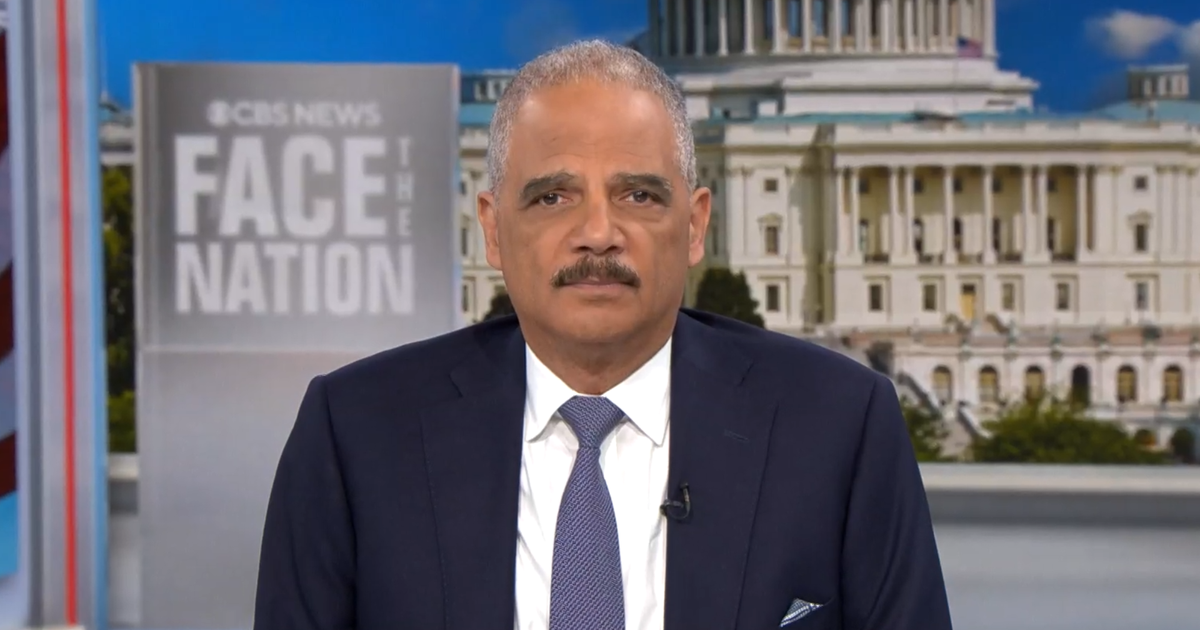
Adams, who served as surgeon general during Trump’s first term, spoke about Schwartz’s nomination on Sunday’s “Face the Nation,” according to CBS News. He called her a “home run pick” and said she is “objectively the most qualified health nominee we’ve seen from this administration so far.” Schwartz previously served as his deputy surgeon general.
Schwartz graduated from Brown University’s medical school and later earned a law degree from the University of Maryland, CBS News reported. She served 24 years in the U.S. Public Health Service Commissioned Corps. She now oversees dozens of Coast Guard facilities as the service’s director of health, safety, and work-life.
Adams said his support comes “with a healthy dose of caution about the environment” at CDC and HHS. He pointed to the removal of former CDC director Susan Monarez after clashes with Kennedy, and to resignations by other top officials who, according to CBS News, cited disagreements with the Trump administration’s vaccine policies and what they called the “weaponization of public health.”
Adams also criticized a recent decision by the acting CDC director, Dr. Jay Bhattacharya, to hold back a weekly morbidity and mortality report that Adams said showed that COVID-19 vaccines reduced emergency room visits among healthy adults this winter. “Recent history tells us if she’s confirmed, she will be under real threat to follow ideology over evidence in what is a vaccine-skeptical HHS,” he said, adding that Schwartz will likely be “pitted against RFK on vaccines” during her Senate confirmation hearings.
What It Means for You
Schwartz’s confirmation process in the Senate is expected to focus heavily on vaccines, scientific independence, and how the CDC communicates with the public. Lawmakers are likely to press her on how she would respond if political appointees sought to delay or alter scientific reports, such as the COVID-19 vaccine analysis Adams referenced.
For the public, the outcome will shape how much trust Americans place in federal health guidance on issues from measles outbreaks to seasonal flu and future pandemics. If Schwartz is confirmed, her early decisions on transparency, vaccine data, and coordination with state health departments will be key signals of how the CDC will operate in a politically divided climate.
How much weight do you think scientific agencies like the CDC should be able to carry independently of any administration’s political priorities?
Sources
CBS News report by Kerry Breen on remarks by former Surgeon General Jerome Adams, published April 19, 2026; Face the Nation interview with Jerome Adams, broadcast April 19, 2026.