TL;DR
The United States is offering up to $10 million for information leading to the arrests or convictions of brothers Rene and Alfonso Arzate Garcia, alleged Sinaloa cartel leaders accused of overseeing a major trafficking corridor through Tijuana into California.
Why This Matters
The new reward underscores how central Mexico’s border cities remain to the flow of fentanyl, cocaine, and methamphetamine into the United States. U.S. officials say the Arzate-Garcia brothers control a key crossing point in Tijuana, one of the busiest land borders in the world, giving the Sinaloa cartel a strategic gateway to American cities.
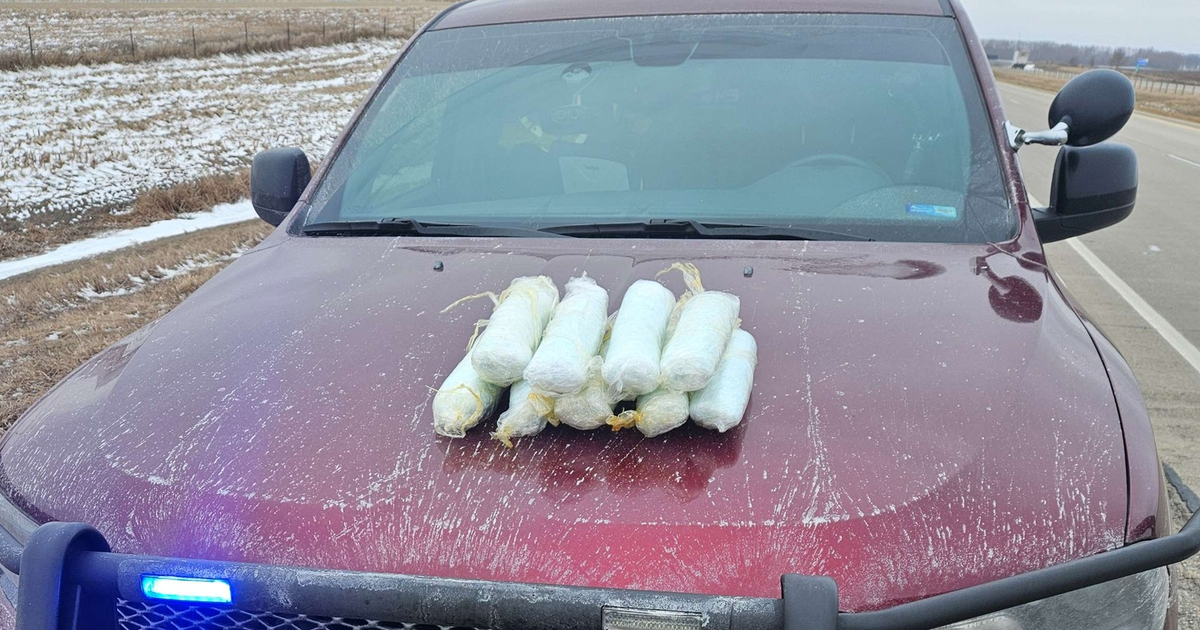
The move also highlights a shift toward treating cartel activity not only as organized crime but as a national security issue. A superseding U.S. indictment now includes narcoterrorism and material support to a designated foreign terrorist organization, signaling a tougher legal framework with potentially longer sentences and broader tools for investigators.
For communities across the U.S., especially those grappling with fentanyl-linked overdoses, the announcement is part of a wider push to disrupt supply chains at the source. It comes amid fierce competition between the Sinaloa cartel and the Jalisco New Generation Cartel along the California-Mexico border, a rivalry that has driven violence in northern Mexico and affected security on both sides.
Key Facts & Quotes
The State Department said it is offering $5 million each for information on Rene Arzate Garcia, 42, known as “La Rana” (“The Frog”), and his brother Alfonso Arzate Garcia, 52, known as “Aquiles” (“Achilles”). Their whereabouts are unknown. Both are described as senior figures for the Sinaloa cartel in Baja California, the Mexican state that includes Tijuana.
🚨 BREAKING
The U.S. State Department is offering a $10 million reward for information leading to the capture of Sinaloa Cartel leaders René Arzate García, known as “La Rana” (The Frog), and his brother Alfonso Arzate García.According to officials, the two have led a cartel… pic.twitter.com/gmip6aDw2l
— DC_Global_News (@DC_Global_News) February 27, 2026
A new superseding U.S. indictment against Rene Arzate Garcia adds charges of conspiracy, narcoterrorism and providing material support to a designated foreign terrorist organization, beyond earlier drug-trafficking counts filed in San Diego. According to court documents and a Justice Department summary, he is accused of importing large quantities of illicit drugs into the United States and directing violent enforcement operations, including kidnappings and executions.
“As controllers of a critical trafficking node in Tijuana at the U.S. border, the Arzate-Garcia brothers have become key essential components of the cartel’s command-and-control structure,” the State Department said, adding that their control of the Tijuana plaza gives Sinaloa “a tactical advantage” over rivals. DEA Administrator Terrance Cole called Rene Arzate-Garcia “a ruthless Sinaloa Cartel plaza boss who is accused of exploiting U.S. ports of entry to flood our nation with fentanyl, cocaine, and methamphetamine.” In 2023, the U.S. Treasury Department sanctioned both brothers, along with a fugitive known as “The Anthrax Monkey,” for alleged involvement in fentanyl production and trafficking.
What It Means for You
For U.S. residents, this latest update in global news is less about a single manhunt and more about how Washington is trying to choke off the drug supply chain before it reaches local streets. If the brothers are captured or forced to retreat, it could disrupt some trafficking routes, at least temporarily, and may shift cartel operations to other border crossings.
The announcement also signals that more cartel leaders could face terrorism-linked charges, expanded sanctions, and million-dollar rewards. That could bring short-term instability and violence in parts of Mexico, with potential implications for travelers and border communities.
As authorities intensify pressure on major cartels, what do you think the U.S. should prioritize to balance aggressive crackdowns with efforts to reduce drug demand at home?