Why This Matters
Police in London are investigating a string of arson attacks on synagogues and other Jewish sites as possible operations by Iranian-linked proxies, raising concerns about both antisemitic violence and foreign-backed threats on U.K. soil.
The incidents, which also targeted a Persian-language media outlet critical of Iran’s government, come as Jewish communities across Europe report heightened intimidation and security fears. Officials say it is fortunate no one has been hurt, but warn that the pattern is serious.
The U.K. has previously accused Iran of using criminal networks in Europe to menace opponents and Jewish targets. Britain’s MI5 security service has said more than 20 potentially lethal, Iran-backed plots were disrupted in the year up to October, underscoring how local hate crimes can overlap with international security risks.
Key Facts and Quotes
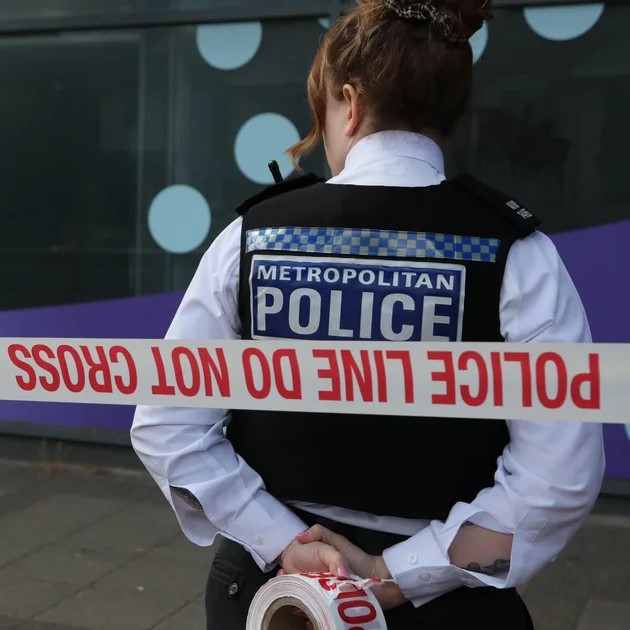
According to London’s Metropolitan Police, counterterrorism officers are investigating fires set at synagogues, Jewish community ambulances, and a Persian-language media company over the past month, mainly in northwest London. The most serious attack came on March 23, when four ambulances run by a Jewish charity were torched in Golders Green, a neighborhood with a large Jewish community.
Deputy Assistant Commissioner Vicki Evans said the attacks were claimed online by a group calling itself Harakat Ashab al-Yamin al-Islamia, whose name roughly means the Islamic Movement of the Companions of the Right. “We are aware of public reporting that suggests this group may have links to Iran,” she said, adding that investigators are examining whether Iran’s past use of “criminal proxies” is being repeated in London.
Israel’s government has described the group as recently formed and allegedly tied to “an Iranian proxy,” saying it has also claimed responsibility for synagogue attacks in Belgium and the Netherlands. Some security experts, however, have cautioned that Harakat Ashab al-Yamin al-Islamia may be a loose label or “flag of convenience” rather than a structured organization, and that its online statements should be treated with care.
Police say extra uniformed and plainclothes officers have been deployed in northwest London. Several suspects, from teenagers to people in their 40s, have been arrested and charged in connection with the incidents, all of which occurred within a few miles of each other. Metropolitan Police Deputy Commissioner Matt Jukes warned that any “thugs for hire” involved would face justice, saying such work is “a mug’s game” that has already led others to long prison sentences.
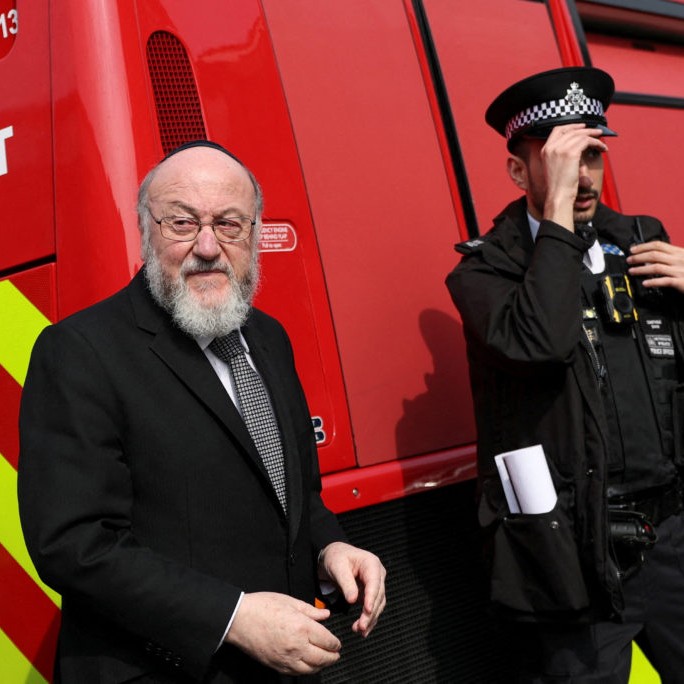
Jewish leaders and U.K. officials have condemned the attacks. Chief Rabbi Ephraim Mirvis wrote on X that “a sustained campaign of violence and intimidation against the Jewish community of the UK is gathering momentum,” urging society not to wait for loss of life before recognizing the danger. Prime Minister Keir Starmer said he was “appalled” and called the incidents “abhorrent,” adding, “Attacks on our Jewish community are attacks on Britain.”
Harakat Ashab al-Yamin al-Islamia also posted a video claiming Israel’s London embassy would be attacked with drones carrying dangerous substances, police said. No such attack occurred, but officers temporarily closed nearby Kensington Gardens on Friday to examine discarded items, including two jars of powder. Authorities later reported that nothing harmful was found.
What It Means for You
For people in the U.K., officials say there is no reason for panic but urge vigilance, especially around religious institutions and community facilities. The investigation could lead to terrorism-related charges if links to state-backed networks or organized extremist activity are confirmed, and police are encouraging the public to report suspicious behavior and hate incidents promptly.
For readers in the United States and elsewhere, the case highlights how overseas rivalries and proxy tactics can surface in local neighborhoods, targeting minority communities and media outlets. It also shows the challenge for law enforcement in weighing online claims of responsibility, distinguishing vandalism from organized terror, and protecting civil life while responding firmly to credible threats.
How do you think democracies should balance strong security responses to suspected foreign-backed attacks with protecting everyday freedoms and community trust?
Sources
Associated Press report by Jill Lawless, published via PBS NewsHour, April 19, 2026; public statements and posts from the Metropolitan Police Service, including comments by Deputy Assistant Commissioner Vicki Evans and Deputy Commissioner Matt Jukes, April 2026; public messages from Chief Rabbi Ephraim Mirvis on X, April 2026; public comments by U.K. Prime Minister Keir Starmer, April 2026; MI5 public threat assessments on Iran-linked plots, as referenced in recent official security briefings.