Why This Matters
The safe return of the Artemis II crew marks the first human trip around the Moon since NASA’s Apollo era more than half a century ago. The mission is a key test of the Orion spacecraft, its life-support systems, and the deep-space launch infrastructure needed for future landings.
Artemis II is designed as a proving flight before astronauts attempt to land on the lunar surface later this decade. NASA has framed the program as a stepping stone to a long-term presence on and around the Moon and, eventually, to human missions to Mars.
The crew itself is part of the story. With a diverse team that includes the first woman, the first person of color, and the first Canadian to travel toward the Moon, the mission reflects a broader push to make high-profile exploration efforts more representative and international.
Key Facts and Quotes
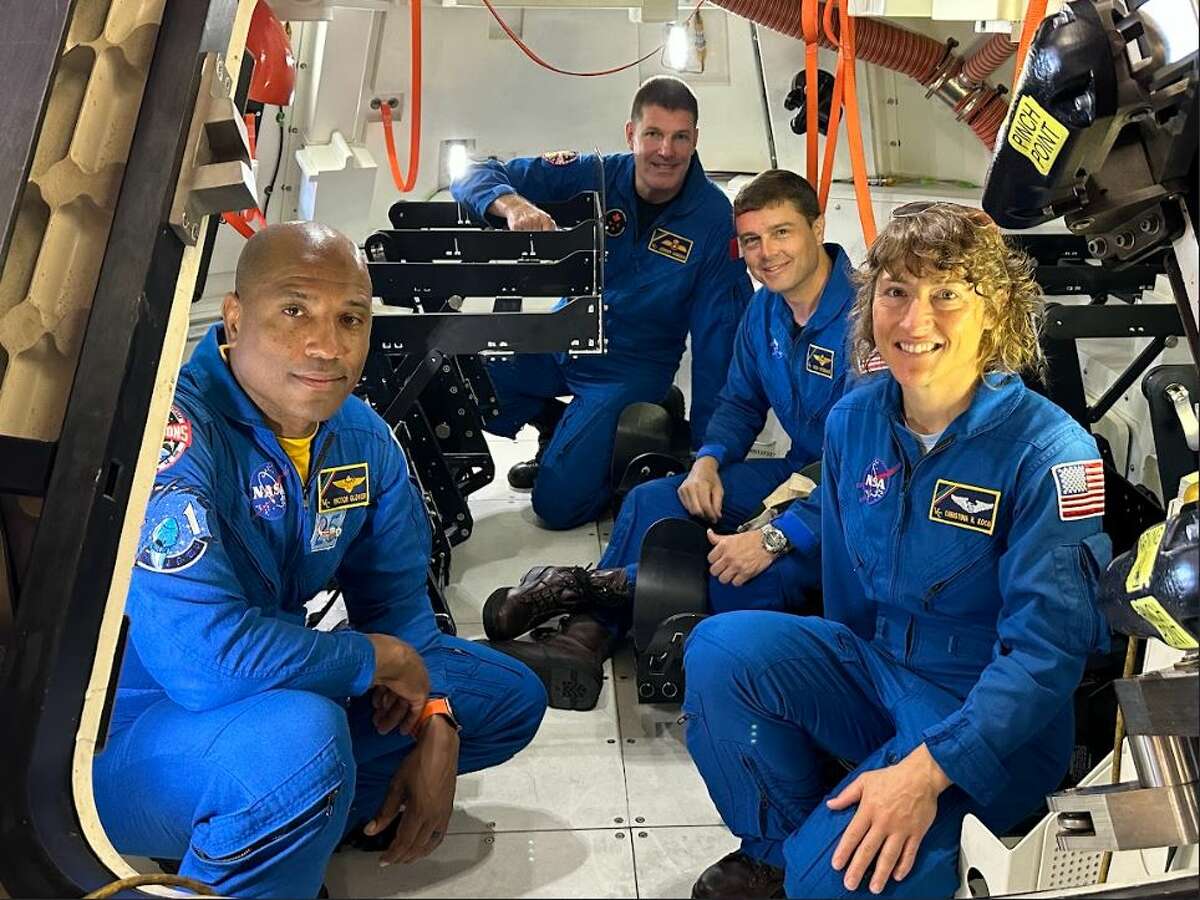
NASA astronauts Reid Wiseman, Victor Glover, and Christina Koch, along with Canadian astronaut Jeremy Hansen, splashed down in the Pacific Ocean on Friday, according to NASA and CBS News coverage of the recovery. After medical checks and initial debriefings, the four reunited with their families, concluding a roughly 10-day mission.
The crew launched atop the Space Launch System rocket from NASA’s Kennedy Space Center in Florida. After orbiting Earth and performing critical engine burns, Orion headed into a loop around the Moon, reaching lunar distance before returning on a so-called free-return trajectory that used the Moon’s gravity to swing back toward Earth.
During the flight, the astronauts tested Orion’s life-support, navigation, and communication systems while operating in deep space for the first time with a crew. NASA has previously described Artemis II as “the first crewed mission on the path to establishing a long-term presence on the Moon,” underscoring its role as a dress rehearsal for future landings.
The crew’s safe splashdown allows engineers to examine how Orion’s heat shield, avionics, and other systems performed under real reentry conditions. NASA officials have said the data from Artemis II will shape the timeline and risk assessments for Artemis III, the mission that is planned to attempt the first lunar surface landing of the program.
What It Means for You
For the public, Artemis II is a sign that large-scale human space exploration beyond low Earth orbit is no longer just a plan on paper. The results will influence when astronauts attempt to land at the Moon’s south pole, a region believed to hold water ice that could support longer stays and fuel production.
The mission may also affect debates over federal spending priorities, commercial partnerships, and international cooperation in space. In the months ahead, NASA is expected to release more detailed findings from the flight, while policymakers and partner countries weigh how aggressively to support the next steps of the Artemis program.
What aspects of this new era of Moon exploration-technology, science, or international cooperation-do you find most important to follow?
Sources
NASA Artemis II mission overview and post-flight statements, accessed April 2026; CBS News video segment “Artemis II astronauts reflect on historic mission after reuniting with family,” Space section, accessed April 2026.