Why This Matters
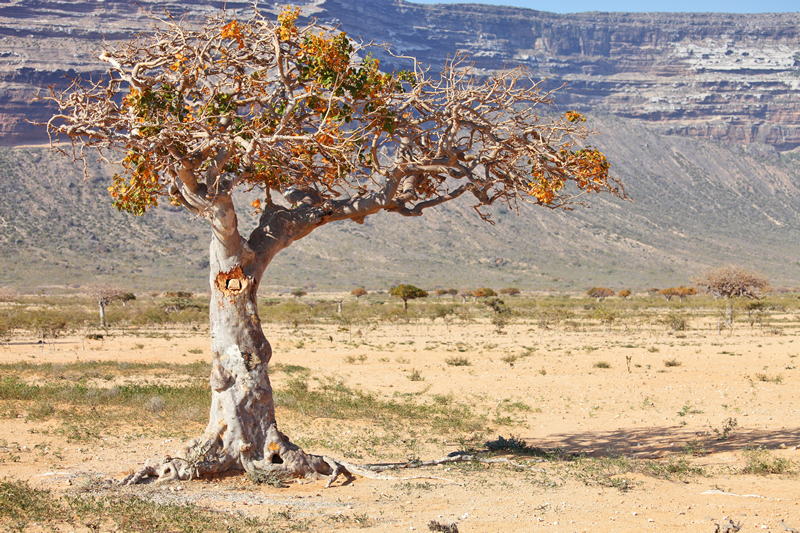
Myrrh resin from small thorny trees in the Horn of Africa is a key ingredient in high-end perfumes, religious rituals, and natural remedies. In eastern Ethiopia, those trees are now stressed by years of drought, and communities that rely on resin sales face growing economic pressure.
Ethiopia’s Somali region is one of the poorest and most climate-exposed parts of the world. Many families there depend on myrrh and similar tree products for cash income when crops fail or livestock die, so environmental damage directly threatens food security.
Myrrh also sits at the end of a long, opaque international supply chain linking remote villages to fashion houses and wellness brands. Researchers say how the resin is bought and sold can either deepen rural poverty or help pay for conservation and drought resilience.
Key Facts and Quotes
According to an April 2026 field report summarized by the Associated Press, researchers backed by the American Herbal Products Association and nonprofit Born Global visited Afcadde in Ethiopia’s Somali region earlier this year to map the myrrh supply chain and raise harvesters’ share of profits.
Ethiopia is a major global source of myrrh, used since ancient Egypt in cosmetics, medicine, and worship. Resin is still collected the traditional way, from naturally occurring cracks in the bark rather than deliberate cuts. “Traditional practice is in balance and protects trees. It should be celebrated,” said lead researcher Anjanette DeCarlo.
Nearly all the work is done by hand, yet harvesters receive only about $3.50 to $10 for a kilogram, the report said, even though perfumes containing myrrh from luxury brands can retail for up to $500 a bottle. Researcher Abdinasir Abdikadir Aweys said villagers hope direct access to buyers will finally deliver “better prices” and “sustainable livelihoods.”
The area has endured what experts call a historic drought, briefly interrupted by destructive floods in 2023. Adult myrrh trees remain mostly healthy but yield less resin, and many seedlings do not survive. Local elder Mohamed Osman Miyir said residents are “deeply worried” as grazing animals eat the buds of young trees.
What It Means for You
For consumers, myrrh is a hidden ingredient in many high-end scents, incense products, and natural health items. Continued drought and tree loss in Ethiopia and neighboring countries could eventually affect prices, availability, and the marketing claims around “natural” and “sustainable” fragrances.
The situation also shows how climate change, land pressures, and global demand intersect. Choices by brands, regulators, and buyers-such as supporting transparent sourcing and drought-resilient projects-may help decide whether myrrh remains a livelihood for rural families or becomes another casualty of a warming climate.
How should companies and consumers balance their demand for luxury products with the need to protect fragile environments and the rural communities that depend on them?
Sources
Associated Press report by Julianne Gauron published by PBS NewsHour on April 11, 2026, based on field research in Ethiopia’s Somali region; On-record statements in that report from researchers Anjanette DeCarlo and Abdinasir Abdikadir Aweys and local elder Mohamed Osman Miyir.