Why This Matters
Across the United States, officials and civil rights groups are moving quickly to reconsider how they honor Cesar Chávez after reports that he sexually abused women and girls during the 1960s, when he led the farmworker movement. The response touches dozens of holidays, marches, monuments, streets, and schools that bear his name.
Chávez has long been celebrated as a key figure in Latino civil rights and labor organizing, especially for farmworkers who faced low pay and unsafe conditions. The new allegations have forced communities to confront how to recognize a movement’s historic gains while reckoning with serious harm allegedly committed by one of its most visible leaders.
The debate is part of a wider national conversation about public memorials, from statues to school names, and about whether and how to separate a cause from the people who helped lead it. Many organizers now say the focus should shift from a single figure to the broader struggle for workers’ rights.
Key Facts and Quotes
The New York Times recently reported that Chávez groomed and sexually abused young girls involved in the farmworker movement, and that prominent activist Dolores Huerta, who co-founded the movement with him, disclosed she was abused by him as an adult. These claims, which span decades, have shaken supporters who grew up viewing Chávez as a symbol of dignity and nonviolent protest.
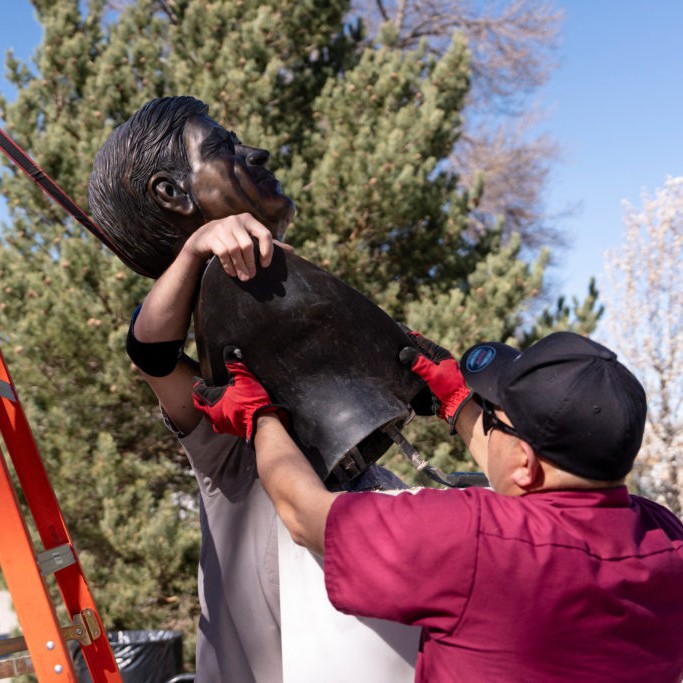
In response, elected leaders in several states have begun changing official observances tied to his March 31 birthday. Lawmakers in Minnesota voted to end the Cesar Chávez state holiday. California Governor Gavin Newsom signed a bill renaming Cesar Chávez Day as Farmworkers Day, shifting attention from the man to the workers he helped organize. Colorado legislators are weighing a similar change to Farm Workers Day, and local governments are reviewing whether to rename roads, schools, and even the national monument in Keene, California.
⚖️ Newsom signs law renaming Cesar Chávez Day to Farmworkers Day
Gov. Gavin Newsom signed a law stripping Cesar Chávez’s name from the state holiday and replacing it with Farmworkers Day, following a national reckoning over sexual abuse allegations against the late civil rights… pic.twitter.com/maJ4b29Lr8
— QSI Media – News, Analytics, World. (@MediaQSI) March 27, 2026
Organizers of long-standing celebrations are also rebranding. In Grand Junction, Colorado, the Cesar Chávez Celebration became the “Si, Se Puede Celebration,” highlighting the famous rallying cry coined by Huerta. In Tucson, Arizona, the annual march was scaled back and presented as the Comunidad y Labor Unity Fair, centering labor rights without mentioning Chávez by name. One Arizona coalition told supporters, “This movement is bigger than a name or one person. No single individual defines it. We, the working people, do.”
Many who devoted years to honoring Chávez say they feel wounded. Jose Luis Chávez, who leads a celebration committee in Mesa County, Colorado, called the allegations “a personal hurt and a betrayal,” noting that many involved are former farmworkers or their children. Heritage advocate Sehila Mota Casper said each community must find its own path, stressing that “due process is needed to help grapple with this” and that any decision should reflect local values. In Albuquerque, City Councilor Joaquin Baca, whose district includes streets named for Chávez and Huerta, described hearing “every side on every issue” and said the moment requires “a lot of listening.”
What It Means for You
Residents in many states may see familiar holidays, parades, and landmarks change names in the months and years ahead. Those decisions typically involve public meetings, school board votes, and city council hearings, offering opportunities for people to share their views on how best to honor farmworkers and other laborers while acknowledging survivors’ stories.
The way communities respond to the Chávez allegations could set a pattern for how the country handles similar questions about controversial figures in social movements. For many, the central challenge will be how to preserve essential civil rights history, including farmworker victories, while openly addressing the full record of the people involved.
How do you think communities should balance preserving civil rights history with responding to serious allegations against movement leaders?
Sources
- PBS NewsHour/Associated Press report by Susan Montoya Bryan on community responses to Cesar Chávez abuse allegations, March 30, 2026; investigative reporting by The New York Times on sexual abuse allegations against Cesar Chávez, reported March 2026.
- Public statements and legislative actions referenced in those reports from the Minnesota Legislature, the Office of California Governor Gavin Newsom, and local organizers in Arizona, Colorado, Texas, and New Mexico.