Why This Matters
Millions of Americans turned out for protests labeled with the slogan “No Kings” to challenge President Donald Trump’s early policy moves, according to CBS News and other reports. Demonstrations took place across major U.S. cities over a single weekend, reflecting deep concern about how the new administration was using presidential power.
Large, coordinated protests on this scale are rare so early in a presidency. They signal unusually high political engagement and can shape how elected officials, both in Washington and in state capitals, think about public support for controversial policies.
The rallies also highlight how Americans use the rights of free speech and peaceful assembly guaranteed by the First Amendment. For many participants, showing up in person was a way to register opposition beyond social media or opinion surveys.
Key Facts and Quotes
The “No Kings” theme was used by organizers and participants to emphasize that, in their view, the presidency should not operate like a monarchy. Protesters marched in cities including Washington, New York, Los Angeles, Chicago, and Boston, according to CBS News coverage and local officials, with crowds ranging from several thousand to well over 100,000 in some locations.
Many demonstrators objected to key early Trump initiatives, including executive orders on immigration and travel restrictions affecting several Muslim-majority countries, potential rollbacks of health protections, and efforts to weaken environmental rules, according to reporting from the Associated Press and Reuters. Signs and chants focused on checks and balances, with messages such as “No Kings” and “Not My President” appearing repeatedly in news footage.
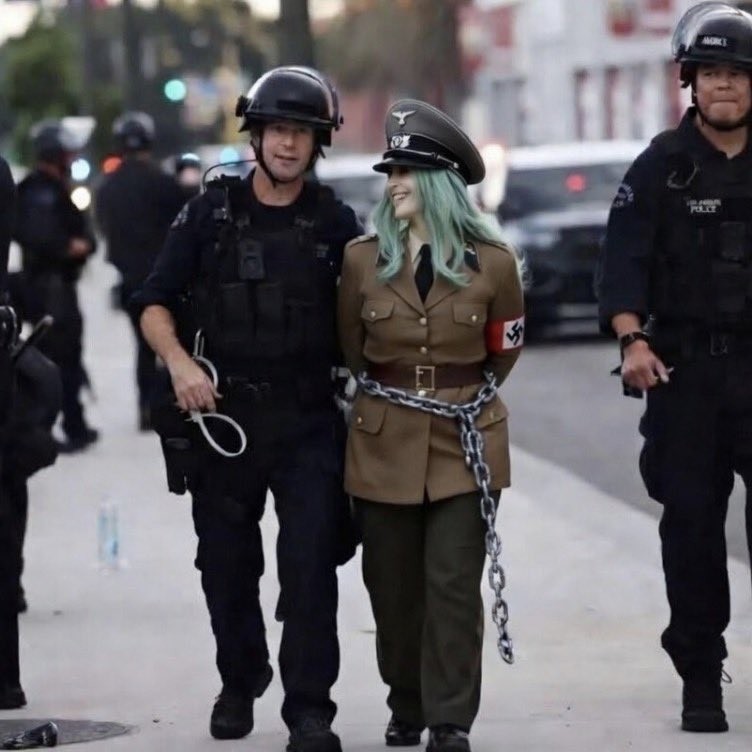
Police and city officials in several jurisdictions described the events as largely peaceful, with only scattered reports of confrontations or arrests. Crowd estimates varied, as they often do; organizers tended to cite higher numbers than law enforcement did, but multiple agencies acknowledged turnouts in the hundreds of thousands in major metropolitan areas.
The “No Kings” demonstrations followed and built on earlier mass actions, including the Women’s March on January 21, 2017, which independent crowd scientists and news organizations estimated drew several million people nationwide. Activist networks and social media platforms played a central role in organizing the later protests, helping local groups coordinate timing, messaging, and legal support.
No Kings protests have now infected Canada 🇨🇦 pic.twitter.com/zkU1MSHrWC
— Fantaesia (@IAmFantaesia) March 30, 2026
What It Means for You
For Americans across the political spectrum, these protests underscore how visible public pressure can influence the national conversation. Large demonstrations do not directly change laws, but they can affect how members of Congress, governors, and mayors calculate political risk when deciding whether to back or resist a president’s agenda.
The “No Kings” rallies also illustrate the range of civic tools available beyond voting, from attending town halls to joining local organizations or peaceful protests. Whether you agreed with these marches or not, they raise a broader question about how citizens should respond when they strongly support or oppose actions taken by the White House.
How do you think large, nationwide protests should factor into how elected officials judge public support for major policies?
Sources
- CBS News video segment “No Kings protests attract millions,” featuring correspondent Nancy Cordes.
- Associated Press reports on nationwide protests against Trump administration policies, January-February 2017.
- Reuters coverage of the Women’s March and subsequent anti-Trump demonstrations, January 2017.
- Statements and turnout estimates from city officials and police departments in several major U.S. cities.